Court backs JAMB's firing of ex-deputy director, orders N250,000 fine
The National Industrial Court has upheld JAMB's dismissal of Yisa Usman, ordering him to pay a N250,000 fine. The court found he failed to prove his claims.
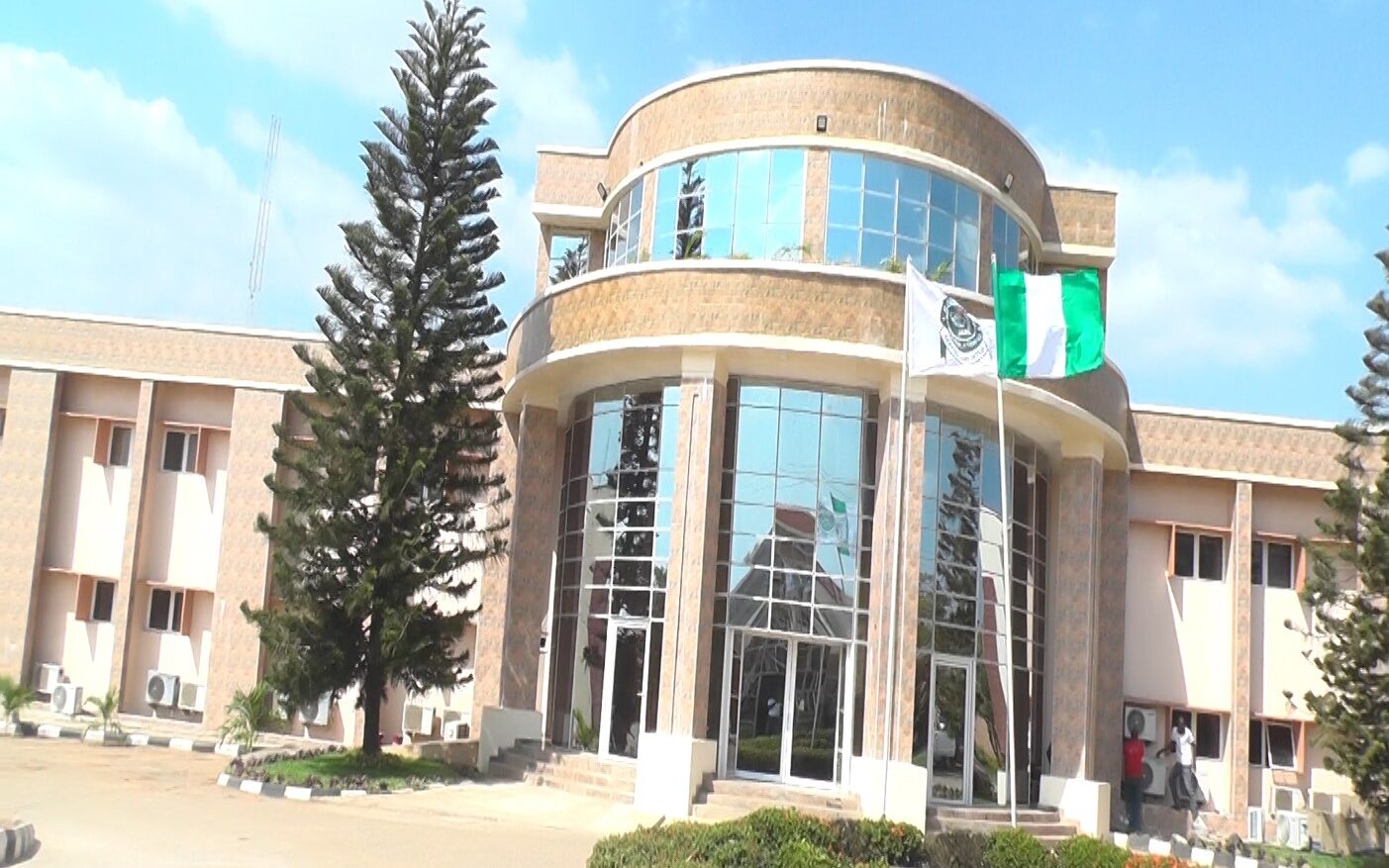
The National Industrial Court in Abuja has thrown out a case by a former deputy director of the Joint Admissions and Matriculation Board (JAMB), Yisa Usman. He was challenging his dismissal and the disciplinary actions that led to it.
On June 2, Justice Osatohanmwen Obaseki-Osaghae ruled that Mr Usman could not prove his claims. The court supported JAMB’s decision to fire him for misconduct and ordered him to pay N250,000.
The judge stated that Mr Usman did not provide enough proof for his accusations. The court made it clear that he could not depend on the weaknesses in JAMB’s defence to win his case.
“...the claimant has failed to prove his case,” the court said.
“Consequently, he is not entitled to the declarations he is seeking in reliefs 1, 2, and 3. They fail and are hereby refused. The declarations having failed, the ancillary orders sought in reliefs 4, 5, 6, 7, 8, and 9 must also fail having no foundation.”
Background to the case
Mr Usman worked in JAMB’s finance department. He was fired in July 2023 after disciplinary actions taken by the board. He claimed that the Directorate Staff Disciplinary Committee (DSDC) that looked into his case was not properly set up and did not have authority since there was no governing board.
He also said his firing was connected to whistleblowing complaints he made against JAMB’s Registrar, Is-haq Oloyede, and others. He accused them of corruption and other wrongdoings.
He sent these complaints to agencies like the EFCC, ICPC, the Office of the Head of Service, and the Federal Ministry of Education.
But JAMB argued that these complaints were looked into by the proper authorities and found to be baseless.
Mr Usman’s dismissal
Court documents show that JAMB sent Mr Usman queries about accusations related to sharing official information without permission and other misconduct.
After he replied to the queries, JAMB invited him on May 15, 2023, to face the Directorate Staff Disciplinary Committee for more investigation.
In his response on May 17, 2023, he objected to the committee’s makeup, saying some members were people he had previously accused of misconduct. He argued he could not get a fair hearing.
He also said he had health issues and provided medical reports to explain why he could not attend. But JAMB continued with the disciplinary process. On July 3, 2023, they fired him, saying the committee’s recommendations had ministerial approval.
Court case
In September 2023, Mr Usman took his case to the National Industrial Court. He wanted nine things, including a ruling that the disciplinary committee did not follow JAMB’s staff manual and rules. He also wanted the court to say his dismissal was illegal because the governing board did not consider the committee’s report.
Mr Usman asked the court to cancel his dismissal, reinstate him, and pay him all his salaries and benefits. He also sought a promotion to Director of Finance and Accounts, saying he was the most qualified person in the finance department.


He claimed JAMB had no right to fire him without a governing board and that only a properly set-up board could make such decisions.
He further argued that the disciplinary committee was unfair to him because some members had benefited from the issues he reported.
JAMB’s response
In its defence, JAMB said Mr Usman was fired for serious misconduct and insubordination, with ministerial approval for the disciplinary committee’s report.
They pointed out that without a governing board, they followed valid ministerial orders for their operations and disciplinary actions.
JAMB added that its disciplinary committee looked at his written responses. But he repeatedly refused to appear before them even after being invited.
“The defendant (JAMB) stated that the queries issued to the claimant were a fallout of the petitions written by the claimant and his proxies to the Federal Ministry of Education, and an investigative committee was set up where the board was cleared and was directed to subject the claimant to the disciplinary process,” part of the ruling said.
“The defendant stated that the governing board approved the composition of the disciplinary committee and that it supersedes the provisions of paragraph 3.5.4 of the staff manual. The defendant averred that the claimant was invited to appear before the Directorate Staff Disciplinary Committee slated for May 19, 2023, to speak to his responses to the queries, and that the notice of invitation was sufficient.
“The Defendant stated that there was no board at that time; and that the Federal Ministry of Education, being the supervising ministry and therefore eligible to sit in the proceedings of the committee, was included. The Registrar and Director of Finance recused themselves from the disciplinary meeting.”
JAMB also stated that Mr Usman’s complaints were investigated by anti-corruption agencies and found to be baseless. The officials he accused were cleared of any wrongdoing.
Judgment
In his judgment, Justice Obaseki-Osaghae said JAMB properly set up the disciplinary committee and acted within its rights in firing Mr Usman.
The court ruled that not having a governing board did not make the disciplinary process invalid. Ministerial approvals could lawfully fill that gap until a board is formed.
“From the totality of the evidence adduced, I find that the misconduct of the claimant is grave and weighty. He wilfully disobeyed constituted authority. This has eroded and undermined the confidence reposed in him by the defendant to carry out his duties,” the judge said.
The judge also said Mr Usman had a fair hearing throughout the disciplinary process. There was no evidence of bias against him.
“For all the reasons given above, the claimant has failed to prove his case,” the judge ruled.
“I am satisfied that the defendant has justified the reasons that necessitated the dismissal of the claimant from its service. I hold that the dismissal of the claimant was lawful and in compliance with the staff manual.






Comments
No comments yet.