FG plans to merge JSS and SSS to keep more students in school
The Nigerian government aims to merge JSS and SSS to keep more students in school. This plan comes as over 20 million pupils have dropped out of secondary education.
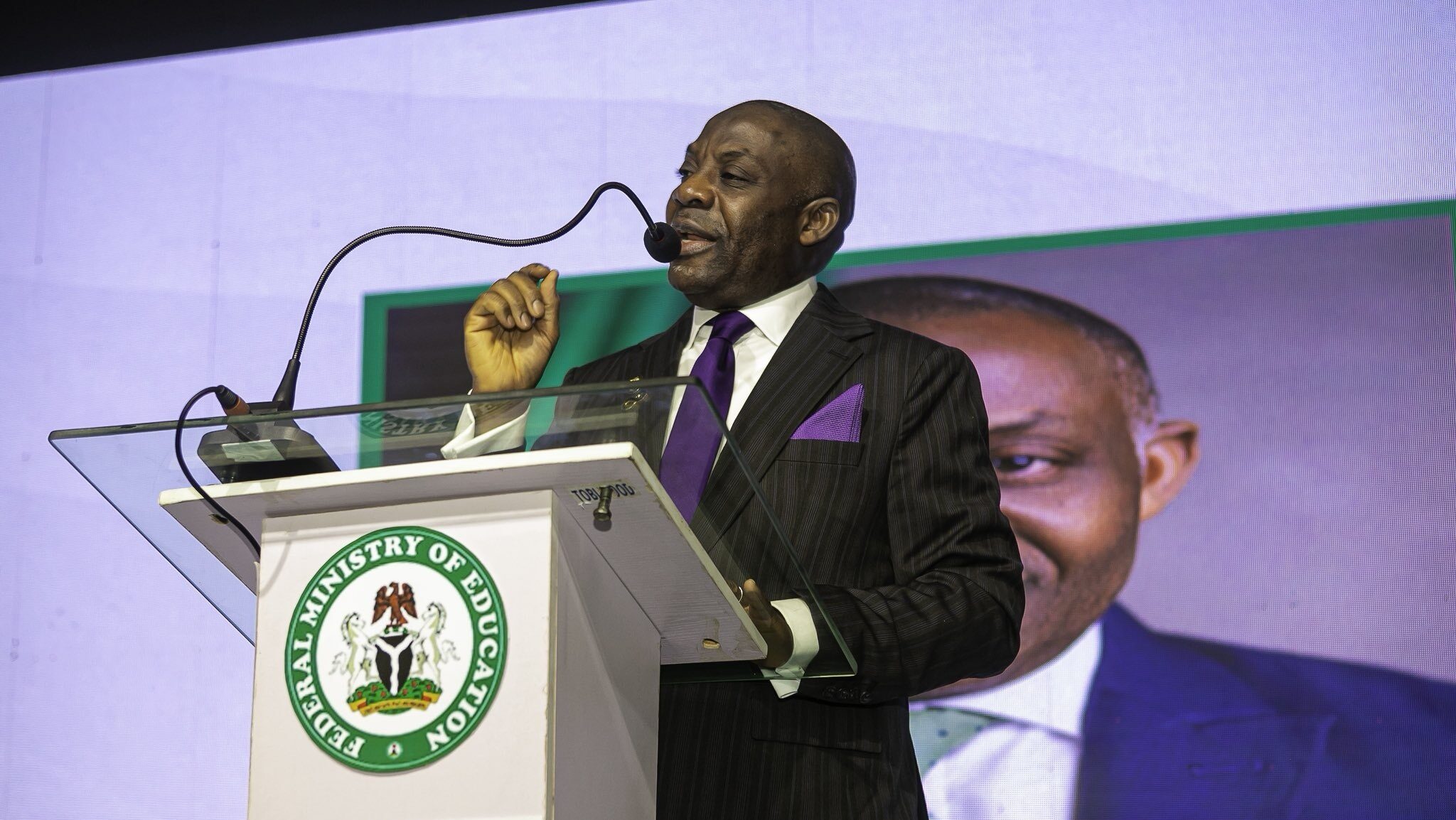
The federal government wants to stop the separation between Junior Secondary School (JSS) and Senior Secondary School (SSS). This move aims to help more students stay in school and cut down on the high number of pupils dropping out before finishing secondary education.
The Minister of Education, Tunji Alausa, shared this plan on Tuesday. He spoke during the launch of the Ministerial Implementation and Monitoring Committee of the Universal Basic Education Commission (UBEC) in Abuja.
Mr Alausa said they will take this proposal to the next meeting of the National Council on Education (NCE). This council is Nigeria's top body for making education policies.
Currently, students in Nigeria spend six years in primary school, three years in junior secondary school, and another three years in senior secondary school. After finishing JSS3, they take the Basic Education Certificate Examination (BECE) before moving to senior secondary school, where they sit for the Senior School Certificate Examination (SSCE).
The Minister explained that the current setup has led to many students not finishing their education. He mentioned that over 20 million pupils have dropped out before reaching senior secondary school.
He pointed out that Nigeria has more than 80,000 public primary schools but only about 15,000 junior secondary schools. "About 24 million children are enrolled in our primary schools, but only about four million of them complete senior secondary. We have over 20 million children dropping out between primary school and junior secondary school," he said. "We have overflowing junior secondary schools and empty senior secondary schools."

Despite years of government efforts to improve access to education, Nigeria still has one of the highest numbers of out-of-school children worldwide. The problem is made worse by the lack of reliable data on how many children join schools and how many drop out.
Even with various government programs like the Better Education Service Delivery for All (BESDA) and the Adolescent Girls Initiative for Learning and Empowerment (AGILE), which are done with support from the World Bank, the issue continues.
Recently, the Nigerian government introduced the Learner Identification Number (LIN). This number gives every student a permanent academic identity for their entire school life.
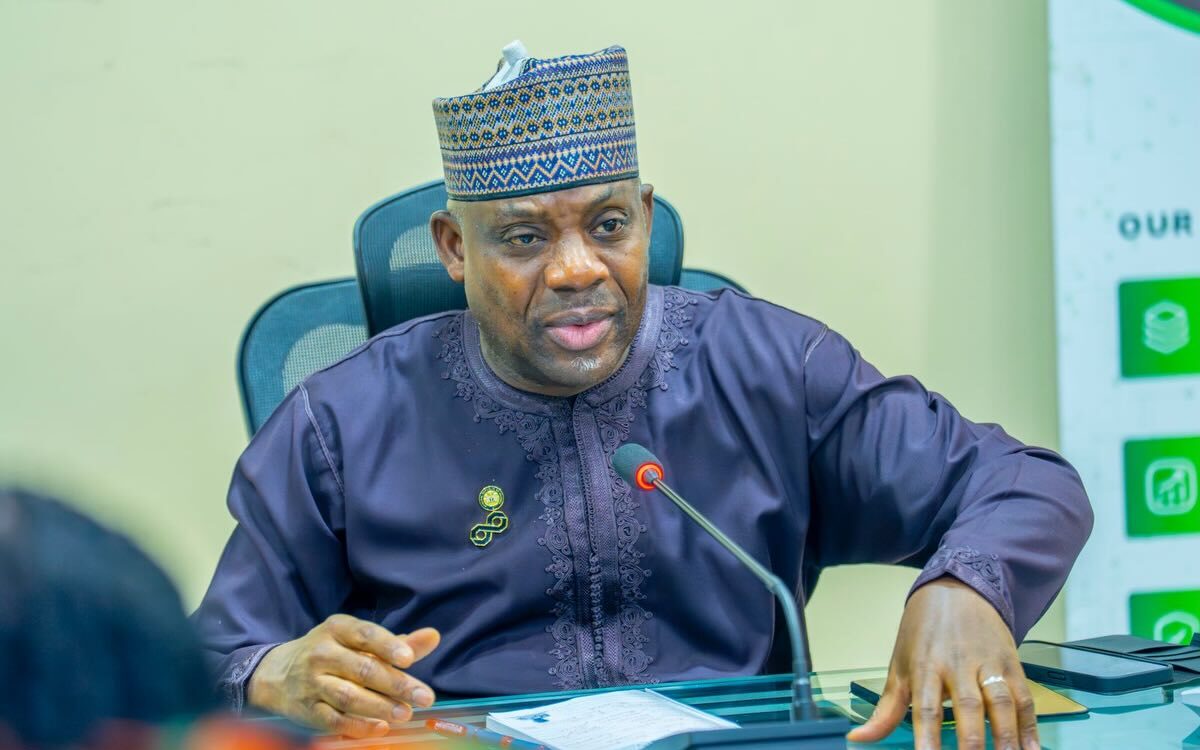
The government also plans to start the Digital National Education Management Information System (DNEMIS). This system will gather all education data for schools and students in one place. So far, over 32 million students are registered on the DNEMIS portal, according to Adebayo Onigbanjo. He is the National Project Coordinator of the Special Programmes Operations and Implementation Unit in the Office of the Minister of Education.





Comments
No comments yet.