Import Duty Waivers on Key Items Hit N34trn - Customs Boss
The Nigeria Customs Service reports that import duty waivers have reached ₦34 trillion, significantly impacting government revenue. Key areas include military equipment and healthcare.
The total value of import duty waivers for military equipment, healthcare items, manufacturing supplies, food products, Compressed Natural Gas (CNG) vehicles, and others rose to ₦34 trillion from March 2000 to December 2025.
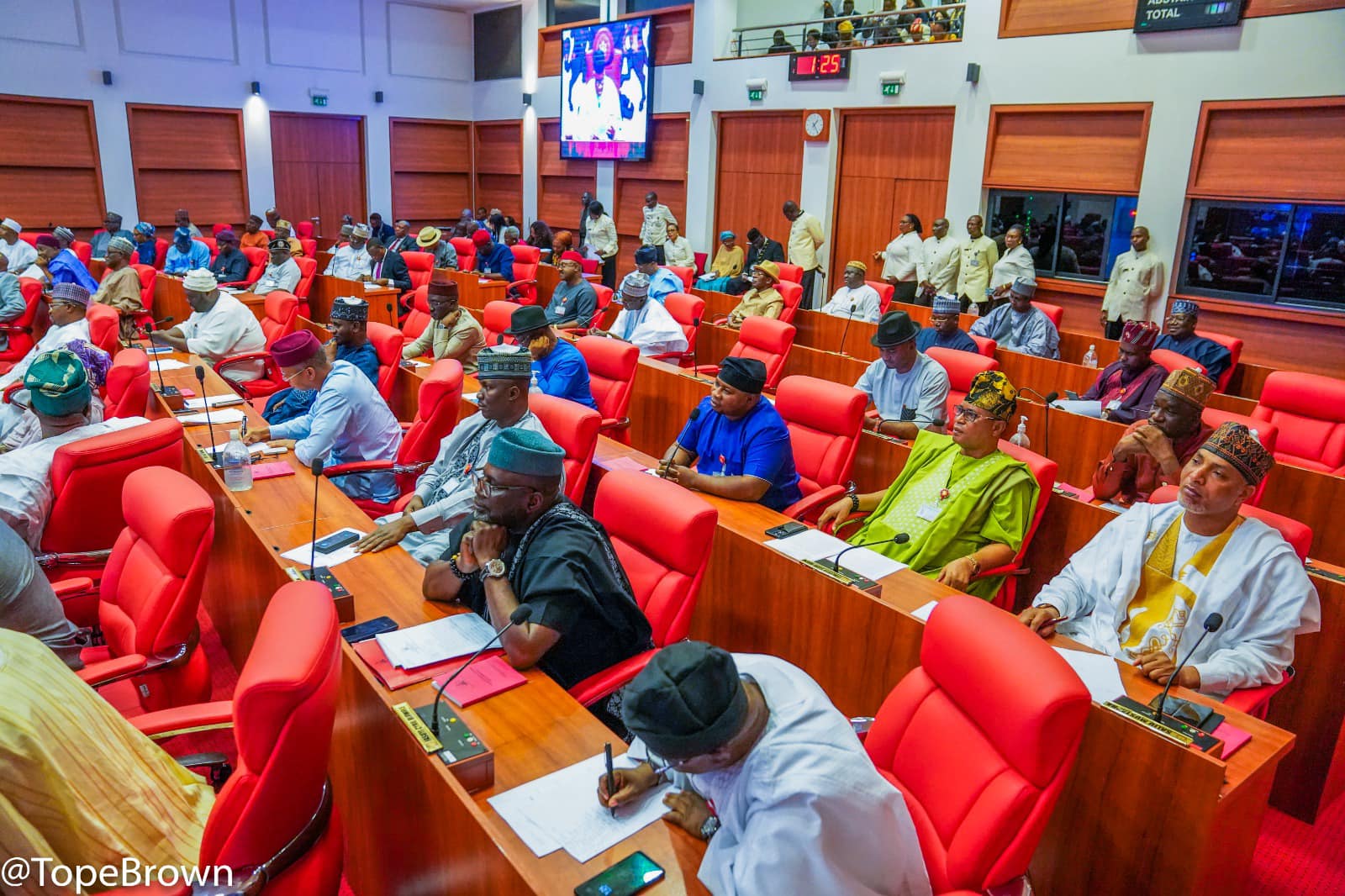
Bashir Adeniyi, the Comptroller-General of the Nigeria Customs Service (NCS), shared this information on Monday. He spoke during an investigation by the Senate Committee on Finance at the National Assembly.
Adeniyi said these waivers, given through Import Duty Exemption Certificates (IDECs), greatly cut down on the revenue the Customs Service could have earned for the government.
"By 2025, IDEC approvals reached about ₦34 trillion. Sixty percent of this was for military hardware purchases, which got duty exemptions due to Nigeria’s ongoing security issues."
He also mentioned other waivers from the government. These included imports of CNG, electric and hybrid vehicles, medical equipment, industrial machines, and food import support programs.
At the hearing, Bello Gulmare, representing the Fiscal Responsibility Commission (FRC), said that waivers on food imports, especially rice and maize, had greatly impacted Customs revenue.
Gulmare, who is a deputy director in Monitoring and Evaluation at the commission, added that all money collected by the NCS goes directly to the Treasury Single Account (TSA) as required by financial rules.
He also told lawmakers that the Customs Service had not provided audited financial statements since 2019.
In light of this information, the committee asked the Customs comptroller-general to submit updated audited financial statements and full revenue records within one week.


For a long time, Nigerian governments have used import duty waivers as a financial policy to help important parts of the economy. They aim to lower costs of essential imports and respond to national emergencies. These waivers let approved individuals, companies, and government agencies import certain goods without paying customs duties.
Over the years, different administrations have offered these benefits to sectors seen as vital for economic growth, such as agriculture, manufacturing, power, healthcare, transport, and national security.
For example, the federal government has previously granted duty exemptions on agricultural tools, fertilizers, drugs, power generation equipment, and materials for local industries.
Recently, the Tinubu administration allowed duty waivers for food imports to help bring down food prices. They also approved waivers for CNG, electric, and hybrid vehicles to support their energy transition plans.
Supporters say these waivers help lower production costs, attract investments, improve food security, promote industrial growth, and reduce prices of essential goods and services. The government also relies on these waivers to buy military equipment amid rising security problems.
But this policy has faced ongoing criticism from economists, fiscal watchdogs, and lawmakers. Critics say that too many waivers cut down on government revenue when Nigeria is dealing with high debt and poor infrastructure.
There are also worries about how transparent the approval process is. Some people believe that waivers are sometimes misused or given to politically connected individuals and companies without proper checks.
The news that import duty waivers reached about ₦34 trillion by the end of 2025 is likely to spark more discussions about balancing tax incentives to boost economic activities and protecting government funds needed for public services and development projects.





Comments
No comments yet.