Lawmakers Clash Over Inviting Tinubu to Discuss Budget Issues
Lawmakers in the House of Representatives clashed over whether to summon President Tinubu to discuss budget issues, leading to a heated debate and protests.
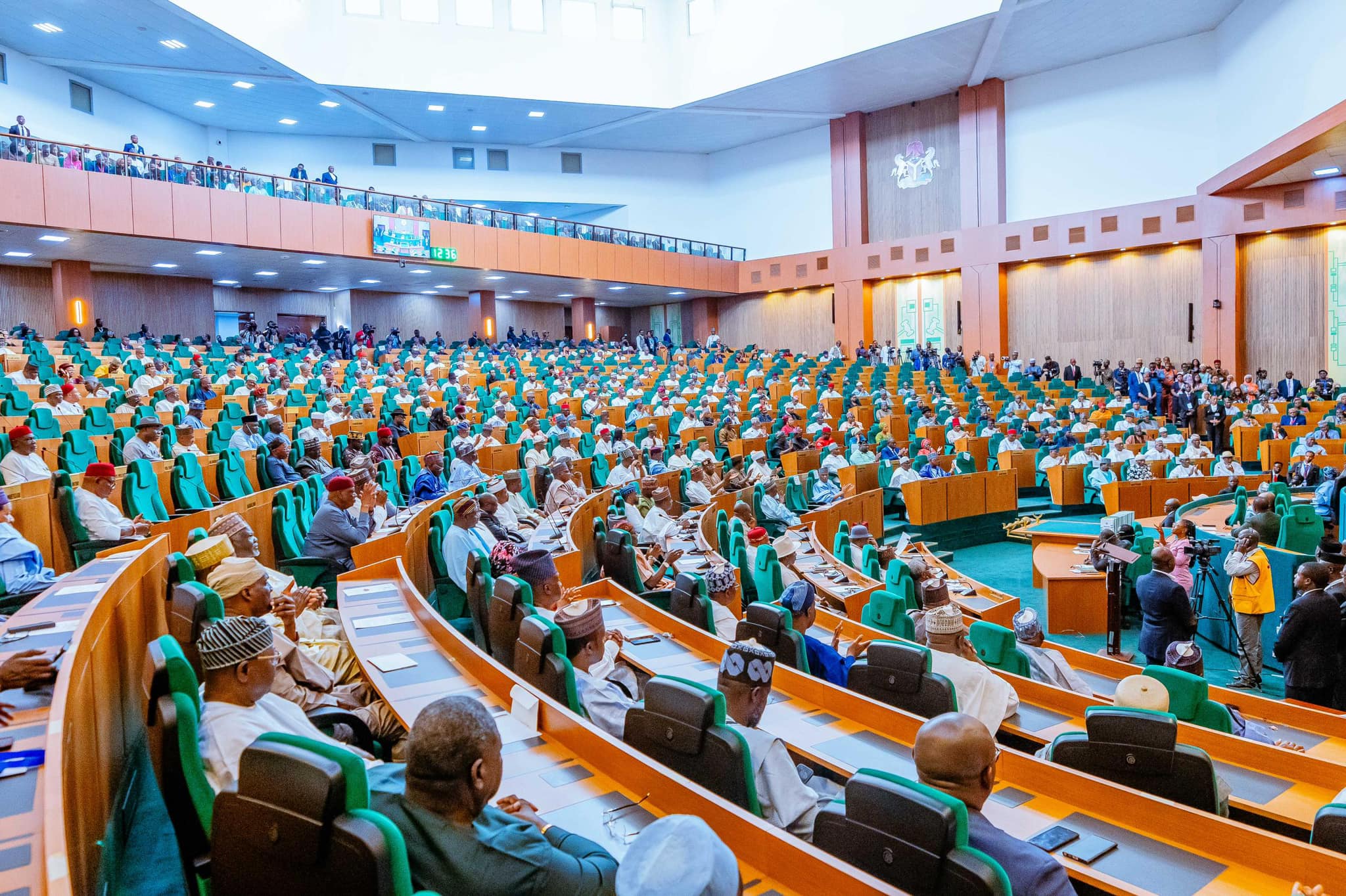
The House of Representatives had a heated session on Wednesday as lawmakers argued about summoning President Bola Tinubu. They wanted him to explain why the 2025 budget was poorly implemented, why funds were delayed, and why ministries, departments, and agencies (MDAs) faced funding gaps.
The uproar started when Benedict Etanabene, representing Okpe/Sapele/Uvwie Federal Constituency in Delta State, raised the issue. He called on the House to invite President Tinubu to explain the ongoing failure to implement budgets despite the National Assembly approving trillions of naira.
Speaker Abbas Tajudeen ruled that the matter could not be debated since it was brought up as a personal explanation. According to the House's Standing Orders, a personal explanation lets members clarify personal issues or urgent matters. These statements usually are not open to debate or decision.
Mr Tajudeen noted that Mr Etanabene’s point was acknowledged but could not be discussed due to procedural rules. This decision led to protests from some lawmakers, briefly disrupting the session.
Not long after, Alex Ikwechegh, representing Aba North and South Federal Constituency in Abia State, brought the issue back up. He made a motion under matters of urgent public importance, which allowed for a proper debate.
Unlike a personal explanation, a motion of urgent public importance is a significant legislative matter. Copies of the motion are shared with members before debate, letting lawmakers discuss and vote on it.
In moving the motion, Mr Ikwechegh stated that Sections 80 and 81 of the 1999 Constitution give the National Assembly power over appropriations. He said that the budget process relies not just on passing appropriations but also on timely release and use of approved funds.
He mentioned that disclosures from ministers and heads of MDAs during the ongoing 2026 budget defense showed a troubling picture of the 2025 budget's implementation. Many MDAs told lawmakers they received little or no capital releases during the fiscal year, even though funds were allocated for important projects.
Mr Ikwechegh noted that these findings supported the protests by contractors throughout 2025 and into 2026. The contractors raised concerns about unpaid certificates for completed and verified contracts at the Federal Ministry of Finance and the National Assembly.
He recalled that some of these protests interrupted legislative work, as contractors struggled to pay back loans taken for government projects. Mr Ikwechegh also mentioned that President Tinubu had directed on 10 December 2025 that verified contractor liabilities, estimated at N1.5 trillion, be settled.
The Federal Executive Council later approved N1 trillion to start clearing those obligations, and the Minister of Finance announced plans to pay verified debts. Despite these promises, many contractors have not received payment, leading to abandoned projects and financial distress for local businesses.
The lawmaker criticized a circular from the Accountant-General of the Federation dated 29 June 2026. It requires contractors to get verification certificates before payment, which he said adds another layer of bureaucracy that could delay payments even more.
While the written motion asked the House to commend the President for his direction on settling verified liabilities, Mr Ikwechegh pushed further. He urged lawmakers to invite President Tinubu to explain why the funds approved had not led to better security and infrastructure.
"We have invited ministers, security chiefs, and members of the Economic Council to explain why budgets are not being implemented. We want to invite the President of Nigeria to this chamber to explain to Nigerians why we are appropriating trillions of naira while insecurity persists and projects remain uncompleted," he said.
During the debate, Amobi Ogah (LP, Abia) suggested postponing the planned Open Week. He wanted lawmakers to focus on resolving the budget implementation crisis. Many lawmakers shouted “Carried” in support of his idea.
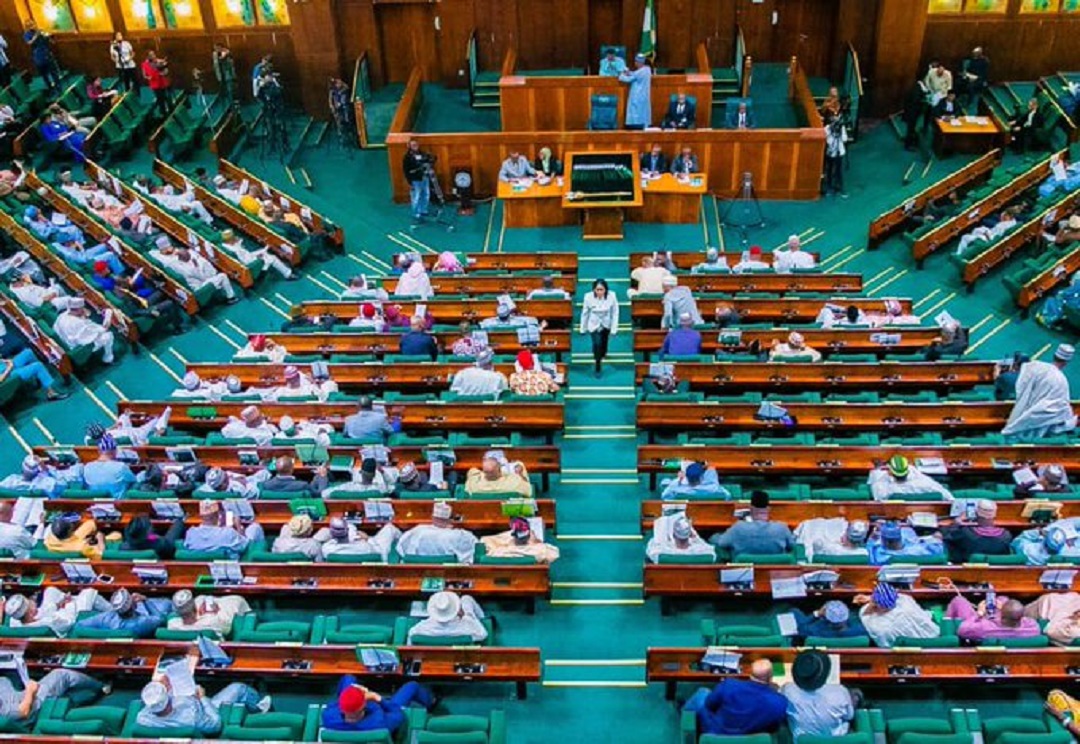
The House Open Week is an annual event to boost transparency and public engagement. It allows citizens, civil society organizations, the media, and others to interact with lawmakers.
But Yusuf Gagdi (APC, Plateau) opposed the idea of inviting the president. He supported investigating the poor budget implementation but said the National Assembly should first invite ministers and officials responsible for government policies.
He argued that each department and agency has specific responsibilities, so it is only right for Parliament to call those in charge first. His comments led to loud interruptions, with members shouting “Sit down,” causing another chaotic moment in the chamber.
Speaker Tajudeen tried to restore order. "I would want to kindly call for the House to split, so that we can take votes on each of the two sides, if we want to continue," he said. This announcement led to more shouting before calm was restored.
After the debate, Mr Tajudeen put the motion to a voice vote. The majority of lawmakers backed it. The Speaker then ruled that the matter would go to an ad hoc committee for further action, hitting the gavel to indicate the House's decision.
This ruling led to another clash when Mr Ikwechegh insisted that inviting President Tinubu was part of the adopted motion. "To confirm that the motion I raised in this chamber has been adopted, you mentioned referring it to an ad hoc committee. My prayer, sir, is that the Father of the Nation should visit us here in this chamber so that we can engage him face to face," he said.
But Mr Tajudeen rejected this claim. He explained that presiding officers must follow the written motion submitted and cannot include additional requests made during the discussion.
“You gave me a copy of your motion. I am supposed to stick to what you gave me. No member is allowed to move outside the content of the document submitted. What you prayed for in your motion was for an ad hoc committee to be set up to look into the matter. You did not pray that Mr President should appear before the House. This is completely unparliamentary. Everything in this institution must be done with honor. You went completely away from what you submitted,” he ruled.
Mr Ikwechegh said he made handwritten changes to his copy of the motion before presenting it. But the Speaker maintained that no such amendment was on the official copy submitted.
Deputy Speaker Benjamin Kalu also intervened. He explained that while Mr Ikwechegh mentioned inviting the president during his presentation, that did not form part of the official document shared with lawmakers. He said no member formally proposed an amendment to include such a request before the House voted.
“Since nobody amended Prayer Five, we cannot invite Mr President on the basis of the document before us. What is written is stronger than the oral conversation,” Mr Kalu said.
In his closing remarks, Mr Tajudeen urged lawmakers not to stray from officially submitted motions during debates. "I want to implore honorable colleagues to be honorable. Whatever you submit to the leadership or the presiding officer as your motion, you should not depart from it by even one word. What we witnessed today was a complete departure from our parliamentary tradition and practice. The motion that honorable Ikwechegh read was materially different from the document upon which leave was granted. This is unparliamentary and we should desist from doing so," the Speaker concluded.
During the 2026 budget defense sessions, several ministers and heads of MDAs told the House that they received little or no capital releases under the 2025 budget. Some agencies reported zero releases for capital projects throughout the fiscal year.
These revelations reinforced complaints from contractors handling federal projects. Many protested at the Federal Ministry of Finance and the National Assembly in 2025 and early 2026 over unpaid certificates for completed contracts. The contractors warned that delays in payment pushed many local firms close to insolvency as they struggled to repay loans taken for government projects.
Comments
No comments yet.