Lawmakers urge government to stop rehabilitating terrorists
The House of Representatives has urged the federal government to halt the rehabilitation of terrorists and kidnappers, arguing it undermines security efforts. They emphasize the need to disrupt financial networks aiding
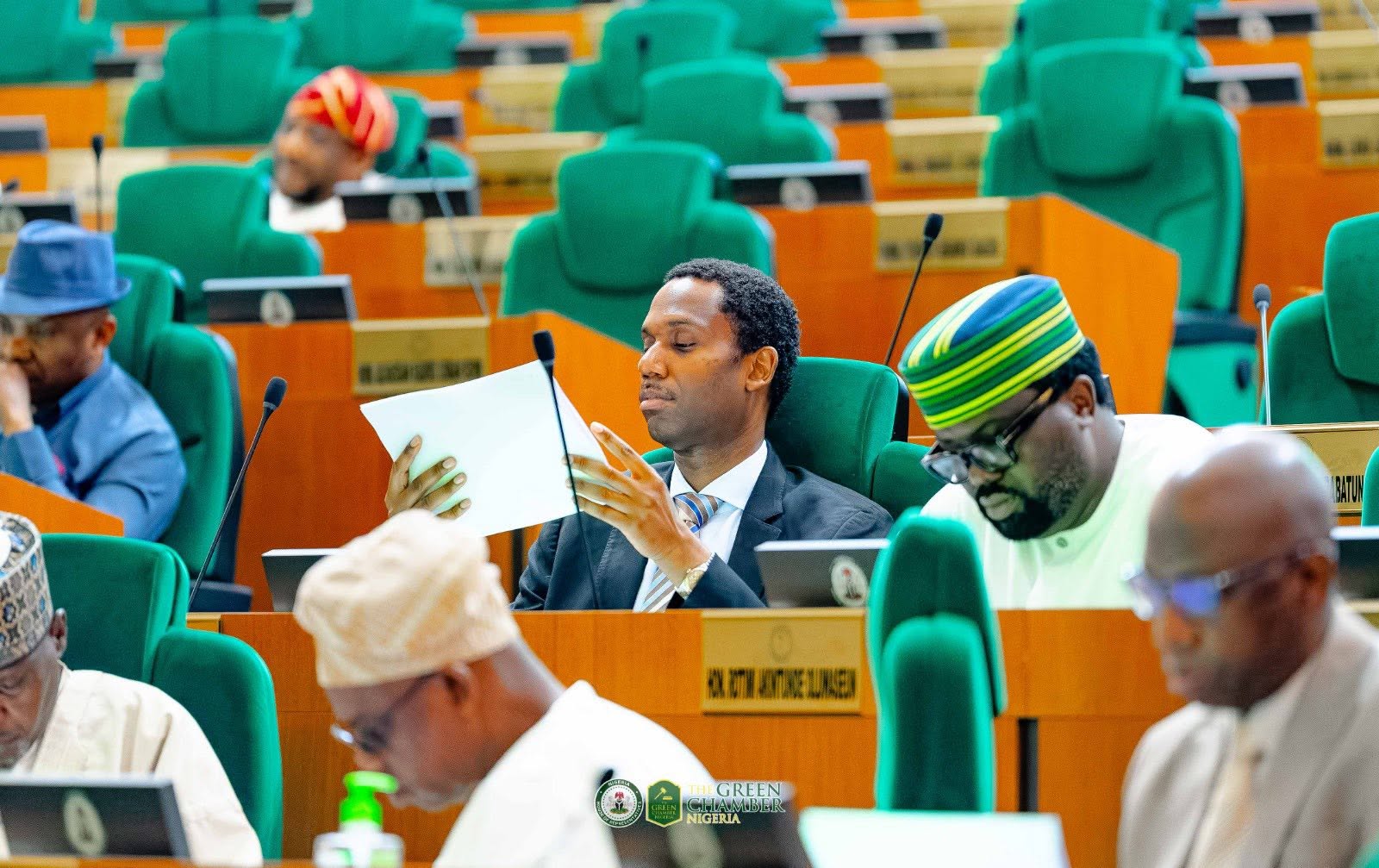
The House of Representatives has called on the federal government to stop the rehabilitation and reintegration of repentant terrorists, kidnappers, and bandits. They believe this policy hurts the fight against insecurity and gives strength to criminals.
This decision was made during Wednesday’s meeting after a motion was discussed to disrupt the financial networks that support kidnapping and terrorism. The motion was sponsored by Ademorin Kuye, a member of the APC from Lagos.
Mr Kuye asked the federal government to do more to break down the financial systems that allow kidnapping and terrorism to thrive. He suggested that the government should improve financial intelligence, enhance cooperation between agencies, and enforce anti-money laundering laws more strictly.
He pointed out that reports from the National Bureau of Statistics and other security research groups show that Nigerians paid around N2.23 trillion as ransom to kidnappers from January 2021 to June 2025.
He mentioned investigations by the National Counter Terrorism Centre, which is part of the Office of the National Security Adviser. The investigations found that some Point-of-Sale operators and other financial channels were used to handle ransom payments and hide financial transactions. This makes it hard for security agencies to trace the money or catch those involved.
Mr Kuye also warned that criminal groups and terrorists are using both formal and informal financial systems. These include bureau de change operators, cryptocurrency platforms, livestock trading, and money laundering schemes to make the money from kidnapping and violent crimes look legitimate.
He argued that weak enforcement of anti-money laundering laws and poor cooperation between financial intelligence agencies have made Nigeria’s security problems worse. This situation has also reduced public trust and put Nigeria at risk of international sanctions, along with being on the Financial Action Task Force grey list.
The discussions on the motion revealed different opinions among lawmakers.
Bamidele Salam, the Chairman of the House Committee on Public Accounts, disagreed with any move that might make ransom payments by families illegal. He insisted that the government must first protect lives and property as it is their constitutional duty.
He argued that Nigerians who have to pay kidnappers to get their loved ones back should not be blamed for acting out of desperation when the government fails to keep them safe.
Yusuf Gagdi, the Chairman of the House Committee on Navy, supported the motion. He said that paying ransom only helps kidnappers and bandits by giving them money to continue their crimes.
He compared ransom payments to giving rewards to students for good grades, saying such rewards encourage them to repeat the same actions.


Mr Gagdi then proposed an amendment that the federal government should immediately stop the rehabilitation and reintegration of convicted or arrested terrorists, kidnappers, and bandits back into society.
“Anyone who kills deserves to be killed, except in cases like a car accident, where the law is clear. But if you invade the homes of innocent Nigerians, kidnap them, torture them in the bush, and then kill them, including traditional rulers, you don’t deserve to live even for a second,” he said.
He also claimed that some rehabilitated former insurgents have leaked information, hurting military operations and leading to attacks on security forces.
His amendment was widely supported and was passed by voice vote after Speaker Abbas Tajudeen put it to a vote.
Ahmadu Jaha, who represents Damboa/Gwoza/Chibok in Borno State, also spoke during the debate. He said only families who have gone through abductions understand the real pain of kidnapping.
He challenged lawmakers who oppose ransom payments to think about whether they would feel the same way if their family members were taken hostage.
After the debate, the House adopted the amended motion, calling on the federal government to strengthen measures against funding terrorism and to end the rehabilitation and reintegration programs for repentant terrorists and violent offenders.
This resolution comes as the federal government continues its Operation Safe Corridor program. This program was set up in 2016 to deradicalize, rehabilitate, and reintegrate low-risk former Boko Haram and ISWAP fighters who surrender voluntarily. The initiative has helped thousands of former insurgents since it started.
In early 2025, the Chief of Defence Staff, General Christopher Musa, said that about 789 former terrorist fighters were in the De-radicalisation, Rehabilitation and Reintegration program under Operation Safe Corridor.
The federal government also plans to set up a second Operation Safe Corridor camp in the North-west. This camp aims to encourage low-risk terrorists and bandits to surrender and go through rehabilitation. This policy has sparked ongoing public debate about its effectiveness and the issues of justice and accountability.



Comments
No comments yet.