Lessons from a South African Editor on Nigeria's Challenges
This article shares lessons learned from Tony Weaver, a South African editor, about the challenges faced by Nigerian journalists amid external pressures.
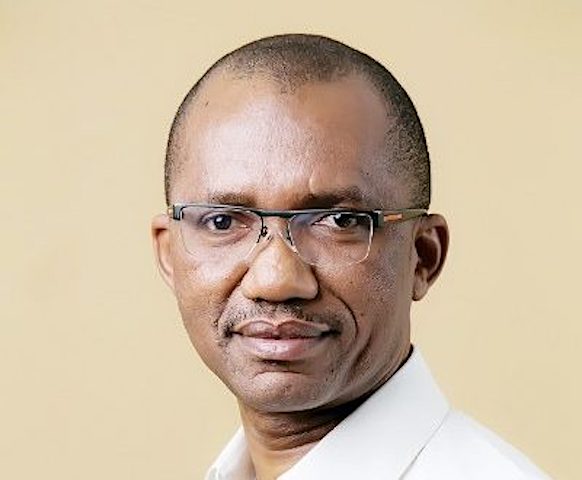
I met him through Ferial Haffajee, a fellow judge on the CNN African Journalist of the Year panel for several years. Ferial is one of the best journalists on the continent, but this article is not about her. It’s mainly about the lesson I learned from Tony Weaver, a former editor at the Daily Maverick in South Africa, whom Ferial introduced to me years ago.
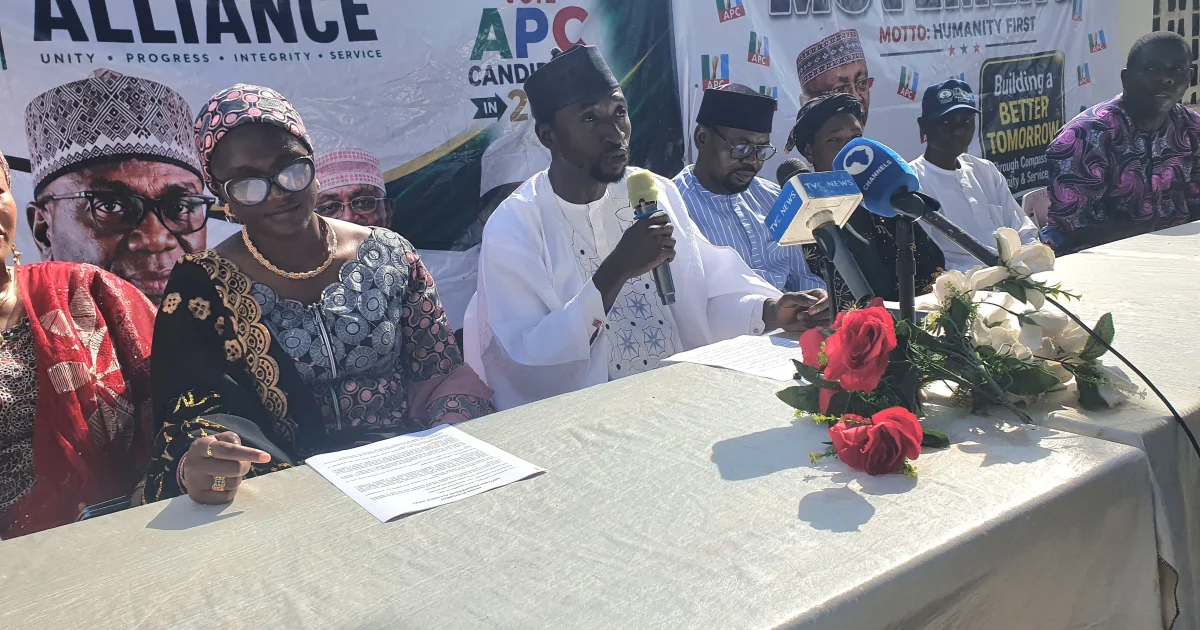
I remember Tony because of a recent request from Nigeria’s Minister of Information, Idris Mohammed, and the Director General of the State Security, Adeola Ajayi. They asked the media to stop or downplay reports about banditry that fill the front pages of Nigerian newspapers. Mohammed and Ajayi are not journalists, and journalists dislike outsiders telling them how to do their job.
Their joint press conference on June 19, where they criticized journalists, reminded me of my meeting with Tony early in the Israeli war in Gaza. I had written an article for Daily Maverick that was very harsh on the Hamas attack on Israel. I criticized the Hamas and Palestinian leaders strongly.
After days of waiting for Tony, the Op-ed editor, to publish my article, I called him. “Azu,” he said, “Great piece, as usual. But you know, South Africans owe the Palestinians a lot for the role the PLO played in our struggle for freedom. DM does not support any premeditated violence against innocent people, but the sentiment in the country is hugely in favour of the Palestinians. I’m sorry we’ll be unable to publish your piece.”
That made me think. How many times have I written or published an article driven more by anger and frustration than by the impact of what I have written or published? I thanked Tony and took the lesson to heart.
The truth is, if you pay attention to politicians or public officials, you may offend God. Whether in the Middle East, Africa, Europe, or America, politicians are mostly responsible for the mess we face today, but they often look for scapegoats.
Take Nigeria, for example. The situation in the Sahel, especially after the fall of Libya, has worsened violent extremism in the north. But the choices our politicians have made in the last 27 years, especially Northern politicians exploiting culture and religion, have also made more citizens poorer and fostered radicalism. Didn’t Samuel Johnson say patriotism is the last refuge of scoundrels?
Not everything is political, of course. Changes in climate and weak landholding systems have led to more violent farmer-herder clashes in central Nigeria.
Still, Nigeria’s insecurity has shifted from mainly a north-east jihadist insurgency in 2015 to a wider national crisis 10 years later. Banditry and kidnapping are becoming as politically and economically destabilising as Boko Haram/ISWAP, largely due to bad choices by politicians.
How can journalism ignore such a tragedy? About trust, a surprising 2023 report by the Reuters Institute for the Study of Journalism found that 57 percent of Nigerians said they trusted most news most of the time, placing Nigeria 4th out of 46 markets surveyed worldwide.
Yet, some people worry that it is not too much front-page reporting but poor reporting that has allowed bad choices by politicians and crisis managers and put the lives of troops at risk.
It’s tempting not to take politicians’ complaints too seriously. Those in the ruling party, All Progressives Congress (APC), easily forget how harsh they were towards their predecessors, who asked for leniency for the same security problems that now seem overwhelming.
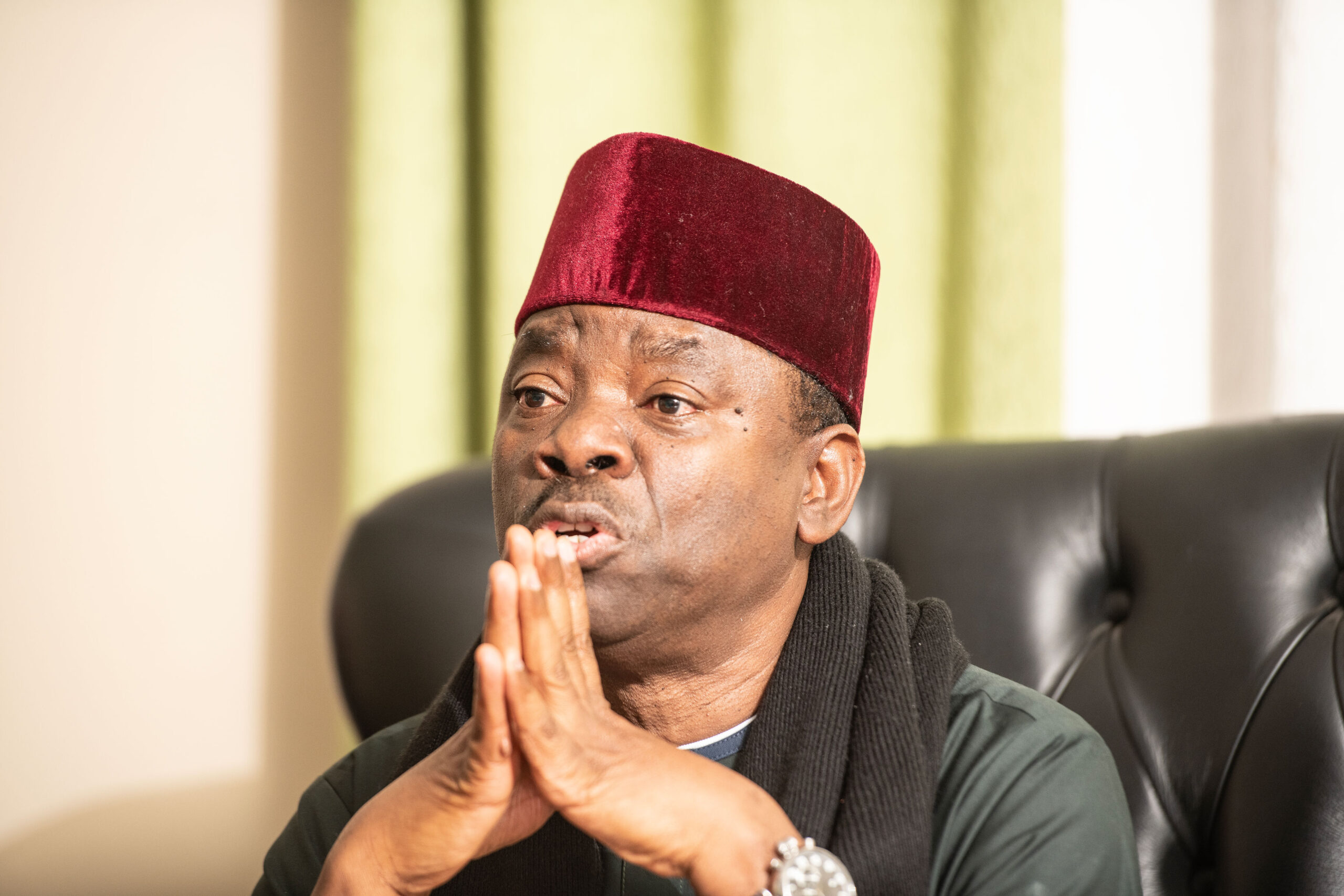
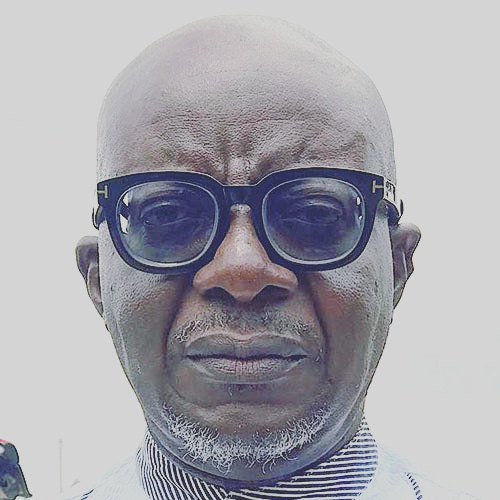
I’m not sure Minister Mohammed or the DG SS remembers that the mainstream press they are calling on for restraint also called President Goodluck Jonathan’s government clueless and incompetent, mainly due to its failure to tackle insecurity. Jonathan’s successor, Muhammadu Buhari, didn’t do much about insecurity either. Now, they are feeling the heat. The same criticisms directed at Jonathan are now aimed at President Bola Ahmed Tinubu’s government, even though officials say things have improved.
And that’s the problem. As long as the press sees restraint in covering banditry and insurgency as a favour to Mohammed or the DG SS, rather than a duty to conscience, the country, not just the government, pays the price.
When US President Donald Trump calls Nigeria a disgrace, or we are treated poorly at borders, or visitors are scared to come, it reflects the stories we have told about our country.
We may not have written out of hate for our country, but we might be angry at those in power. In a world where a phone button connects billions, what we write becomes part of our shared global story. Many people see little difference between journalism and harmful blogging.
When I arrived in the US on holiday on June 10, I was not as worried about gun violence, which made up 76 percent of all homicides in 2024, as I was about the bad stories I had read about President Trump and hostility towards immigrants.
Outgoing British Prime Minister Sir Keir Stammer will be the sixth PM in 10 years, making Britain, now jokingly called Britaly, seem like Italy in the 1940s. Still, despite the instability of the last decade and the harshness of the British press, there is a clear difference between attitudes toward government and country.
The Gulf states and Israel are different due to ongoing conflicts. But they are good examples, regardless.
Yes, South Africa has been in the news for xenophobia, which must make my friends Ferial and Tony cringe for their fellow citizens. Yet, there has been balanced reporting of this sad situation in the South African media.
What I learned from my friend Tony was not about limiting press freedom or promoting self-censorship. It’s not about avoiding the duty of holding power accountable, which is the core of journalism.
It’s about awareness, taking a moment, and having empathy to consider the impact of what we say or write. We need to put conscience and country first. We must reconnect with our country, not because a minister says so, but because we believe it’s the right thing to do.
Comments
No comments yet.