Many Nigerians Want More States, But Legal Barriers Make It Hard
Many Nigerians want more states, but legal barriers make it difficult. Calls for new states continue, especially in the South-east and other regions.
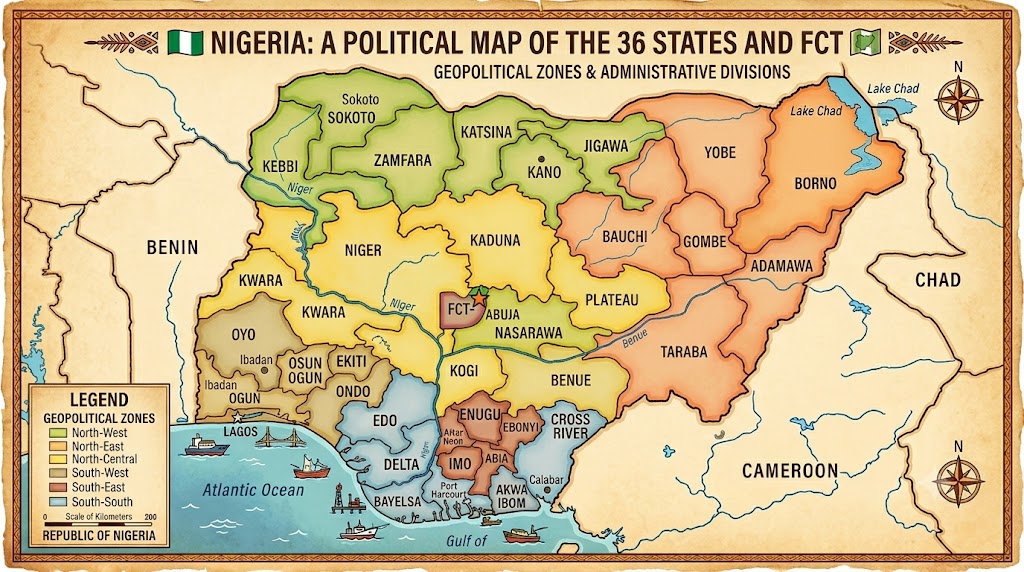
Sixty-three years ago, the Midwest Region was created after a vote in 1963. This vote took a part of the then-Western Region. This historic event increased Nigeria’s regions from three to four and remains the last time a civilian government successfully created a new state.
Since the Midwest Region was formed, Nigeria's structure has grown from four regions to 36 states. All these states were created by military leaders, mostly without the legal rules that apply today. All military heads of state, except Johnson Aguiyi-Ironsi, Olusegun Obasanjo, Muhammadu Buhari, and Abdulsalami Abubakar, created states during their time. Yakubu Gowon created 12 states, Murtala Muhammed created seven, Ibrahim Babangida created 11, and Sani Abacha created six.
Many of these states were formed due to demands from groups that felt left out politically and economically. Military governments used their power to ignore the need for agreement on issues like state borders and capitals. Some of these decisions faced claims of bias.
Now, 27 years after democracy returned in 1999, people are still calling for new states. This is happening despite worries about whether many existing states can support themselves financially.
For example, in the South-east, there are ongoing calls for an extra state to make the region’s total six, similar to most other regions. Similar requests are coming from other parts of the country.
Currently, Nigeria has 36 states. The North-west has seven, while the North-east, North-central, South-south, and South-west each have six states. The South-east is the only region with just five states.
In 2014, the National Conference set up by former President Goodluck Jonathan suggested creating 18 more states to ensure fairness, despite concerns about existing states' sustainability.
Though the current government is unlikely to act on these suggestions, the push for new states is still alive in the National Assembly through ongoing efforts to change the constitution.
Past efforts to create states through constitutional changes have not succeeded. In the current 10th National Assembly, the chances of adding new states seem low.
Several lawmakers who sponsored state creation bills did not follow the rules in Section 8(1) of the 1999 Constitution, which outlines what is needed to create new states.
"Although we have received 31 requests for state creation, none has met the constitutional requirements for amendment," said Ben Kalu, Deputy Speaker of the House of Representatives and Chairman of the House Committee on Constitution Review, in Ikot-Ekpene, Akwa Ibom State, in February 2025.
According to Section 8(1)(a) of the Constitution, the process starts with a request for state creation. This request must have support from at least two-thirds of federal lawmakers from the area, along with local government council members.
The proposal must then receive approval by a vote from at least two-thirds of the people in that area. After that, the result must be accepted by a simple majority of all states and by a simple majority of members in various state Houses of Assembly.
Finally, the proposal needs a resolution supported by a two-thirds majority of members from both chambers of the National Assembly.
The National Assembly only acts at the final stage. However, several lawmakers who sponsored state creation bills did not meet earlier constitutional requirements, leading to clarification from House leaders in February.
Section 8(1)(b) of the 1999 Constitution states that at least two-thirds of the people in the affected area must approve the proposal in a referendum.
"A proposal for the creation of the State is thereafter approved in a referendum by at least two-thirds majority of the people of the area where the demand for creation of the State originated," the law says.
Experts believe this requirement is one of the biggest hurdles to creating new states. Challenges include issues with voter lists, low voter turnout during elections, and Nigeria's past experiences with similar referendum processes, like recalling elected officials.
Under the 1999 Constitution, a legislator can be recalled through a process that includes a vote among voters. Since 1999, many recall attempts have been made, but none have passed the voting stage. In the 2023 presidential election, less than 27 percent of registered voters participated.
The rules around state creation are meant to stop too many states from being made without proper checks. Similar rules apply to creating local government areas.
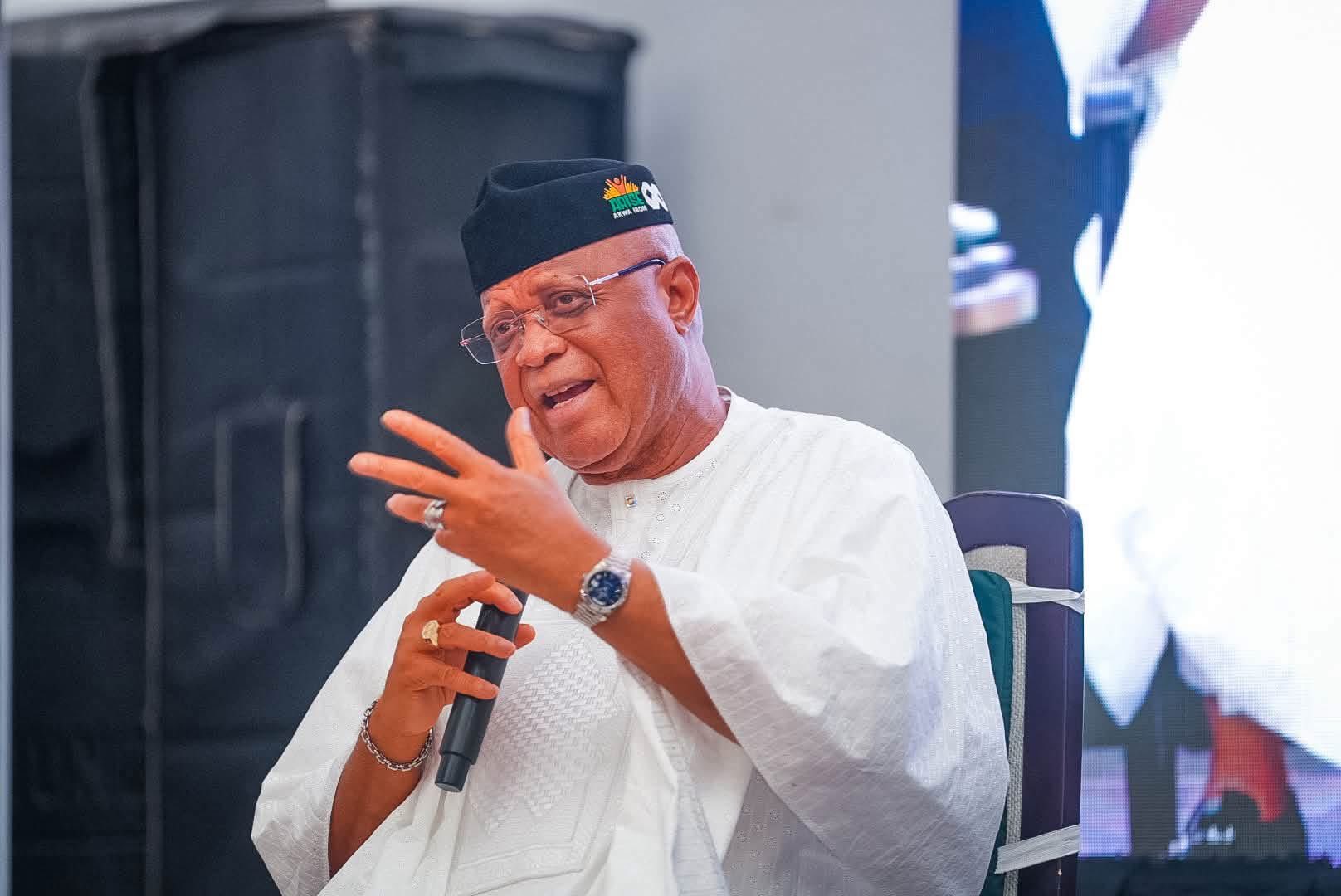
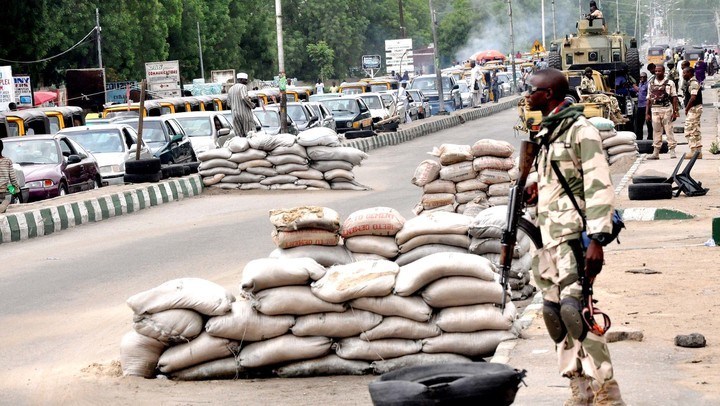
Right now, lawmakers are looking at 494 requests to create new local government areas: North-east (106), North-west (40), North-central (148), South-east (41), South-south (92), and South-west (67).
With less than a year left in the 10th National Assembly, the chances of creating a new state seem very slim.
On June 6, the House Committee on Constitutional Review reported that the Assembly received 56 requests for new states across the six regions:
- North-east, 8
- North-west, 8
- North-central, 14
- South-east, 6
- South-south, 10
- South-west, 10
In the South-east, proposed states include Etiti, Orashi, Adada, Orlu, and Aba. In the South-south, proposals include Ogoja from Cross River State, Anioma and Warri from Delta State, and Ori and Obolo from Rivers State.
In the South-west, proposals include Torumbe from Ondo State, Ibadan from Oyo State, Lagoon from Lagos State, Lagoon State from Ogun State, Ijebu from Ogun State, and Oke Ogun/Ife-Ijesha from parts of Oyo, Ogun, and Osun states.
In the North-west, proposed states include New Kaduna and Gurara from Kaduna State, Tiga and Ari from Kano State, and Kainji from Kebbi State.
The North-east proposals include Amana from Adamawa State, Katagum from Bauchi State, Savannah from Borno State, and Muri from Taraba State.
But none of these proposals have met the constitutional requirements, according to the deputy speaker.
In many cases, lawmakers have not agreed on how proposed states should be formed. For example, the proposed Anioma State from Delta State, backed by Senator Ned Nwoko, wants it to be the sixth state in the South-east. But some lawmakers and council leaders from the area disagree.
The proposed Orlu State, led by Ikenga Ugochinyere, a member from Imo State, also faces opposition from some South-east lawmakers.
Besides legal issues, doubts about economic survival have also affected the discussion.
The 2025 State of States Report by BudgIT shows that 28 states depended on federal allocations for at least 55 percent of their revenue in 2024. Also, 21 states relied on federal funds for at least 70 percent of their income.
This means most states in Nigeria still need federal support to survive.
These legal challenges, along with worries about financial sustainability and disagreements among leaders, have slowed down the push for new states.
As a compromise, the Joint Committee on Constitutional Review suggested creating one new state in Southern Nigeria.
"In the interest of fairness, national cohesion, and balanced representation, it was recommended that one additional State be created in the Southern region to bring it at par with other geopolitical zones in terms of the number of States," the report said.
After the recommendation, two southern regions put forward different state proposals. The South-south suggested Toru-Ebe State, with Burutu as the proposed capital, while the South-east suggested Anim State, with Orlu as the proposed capital.
But both proposals still need to meet the legal requirements in Section 8 of the 1999 Constitution. This continues to block Nigeria’s desire to create new states.
Comments
No comments yet.