The Nigerian Bar Association (NBA), the Nigeria Internet Registration Association (NIRA), and other groups are worried about a new bill. This bill wants social media platforms and bloggers in Nigeria to set up physical offices with real addresses in the country.
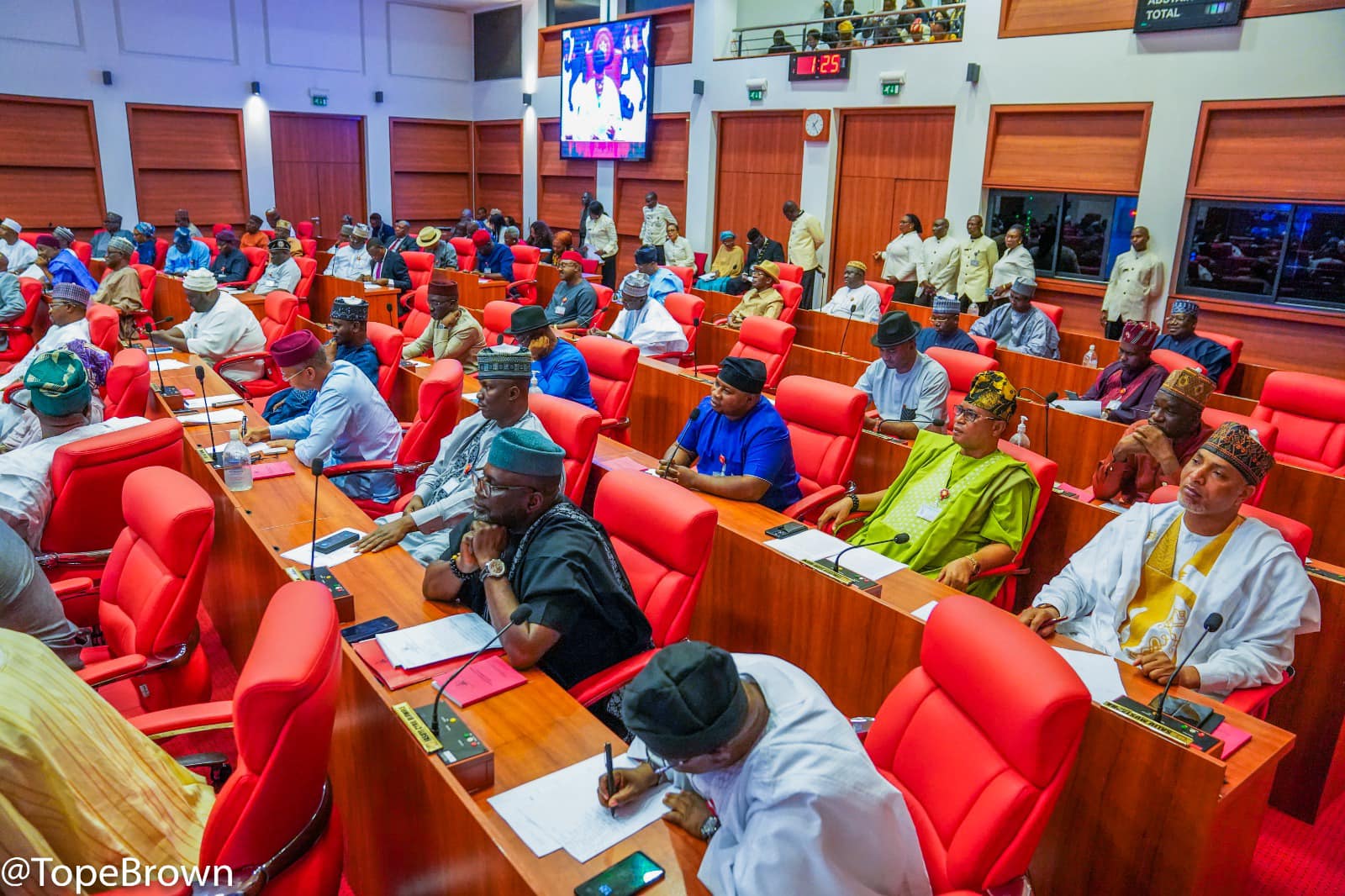
These concerns came up during a public hearing by the Senate Committee on ICT and Cyber Security on Thursday.
The bill, which Ned Nwoko (APC, Delta North) sponsors, passed its second reading in the Senate in March 2025. It was then sent to the committee for the public hearing.
Some people think that making social media platforms have physical offices in Nigeria could lead to some of them leaving or shutting down. But others support the idea, saying it could create jobs, help technology transfer, and improve social responsibility.
Those against the bill said the 30-day deadline for compliance is too short. They believe it should be longer.
The incoming President of the NBA, Oyinkansola Badejo-Okusanya, suggested that the committee change the bill. She believes social media platforms should appoint local representatives instead of being forced to open offices.
Mrs Badejo-Okusanya, represented by Mercy Agada, also asked to extend the compliance period from 30 days to at least 180 days. She further urged lawmakers to revise the bill to avoid making it too hard for social media platforms and their users.
While the NBA supports parts of the bill that improve data protection, they want the bill to be withdrawn for more review.
NIRA’s Chief Operating Officer, Seyi Onasanya, said just having physical offices is not enough to hold social media platforms accountable. She believes the government should require these platforms to store their data on Nigeria’s domain or within its borders.
Mrs Onasanya added that the need for physical offices should at least come with rules about local data hosting.
On the other side, the Chairman of the Practitioners of Content Creating, Influencers and Skit Makers Guild of Nigeria, Obinna Nwanfo, strongly supports the bill. He noted that many social media platforms have policies that hurt content creators. This makes it hard for them to solve issues like losing followers and account restrictions.
Other groups at the public hearing included the Paradigm Initiative, Nigerian Youths of Social Media Analysts, Digital Civic, Middle Belt Youth Congress, and Nigerian Female Youth Organisation.
Defending the bill, its sponsor, Mr Nwoko, said it is not meant to punish social media companies in Nigeria. Instead, he claimed it wants to encourage them to grow their presence here by becoming stronger local entities.
Mr Nwoko pointed out that many countries require tech companies to have physical offices. He mentioned countries with smaller populations and digital markets than Nigeria.
He referred to nations like the UK, Ireland, Singapore, India, the UAE, South Africa, Brazil, Australia, and Japan. In these countries, big tech companies have set up regional offices and operations.
According to him, these countries have used the presence of tech firms to create jobs, increase tax income, improve regulatory relations, encourage innovation, and help technology transfer.
He highlighted that Ireland has become a major tech hub since companies like Meta, Google, LinkedIn, TikTok, and X have significant operations there. These companies employ many people and help the economy.
Mr Nwoko questioned why Nigeria, which has Africa’s largest digital market and a bigger population than many of those countries, should not seek similar growth by asking social media platforms to have a physical presence in the country.
Drop your comment
No comments yet — be the first to drop the gist 👇