New tax reforms aim to quit multiple taxation, say Kaduna governor and JRB boss
Governor Uba Sani and JRB boss Olusegun Adesokan discuss new tax reforms aimed at reducing multiple taxation in Kaduna State. The reforms promise relief for low earners.
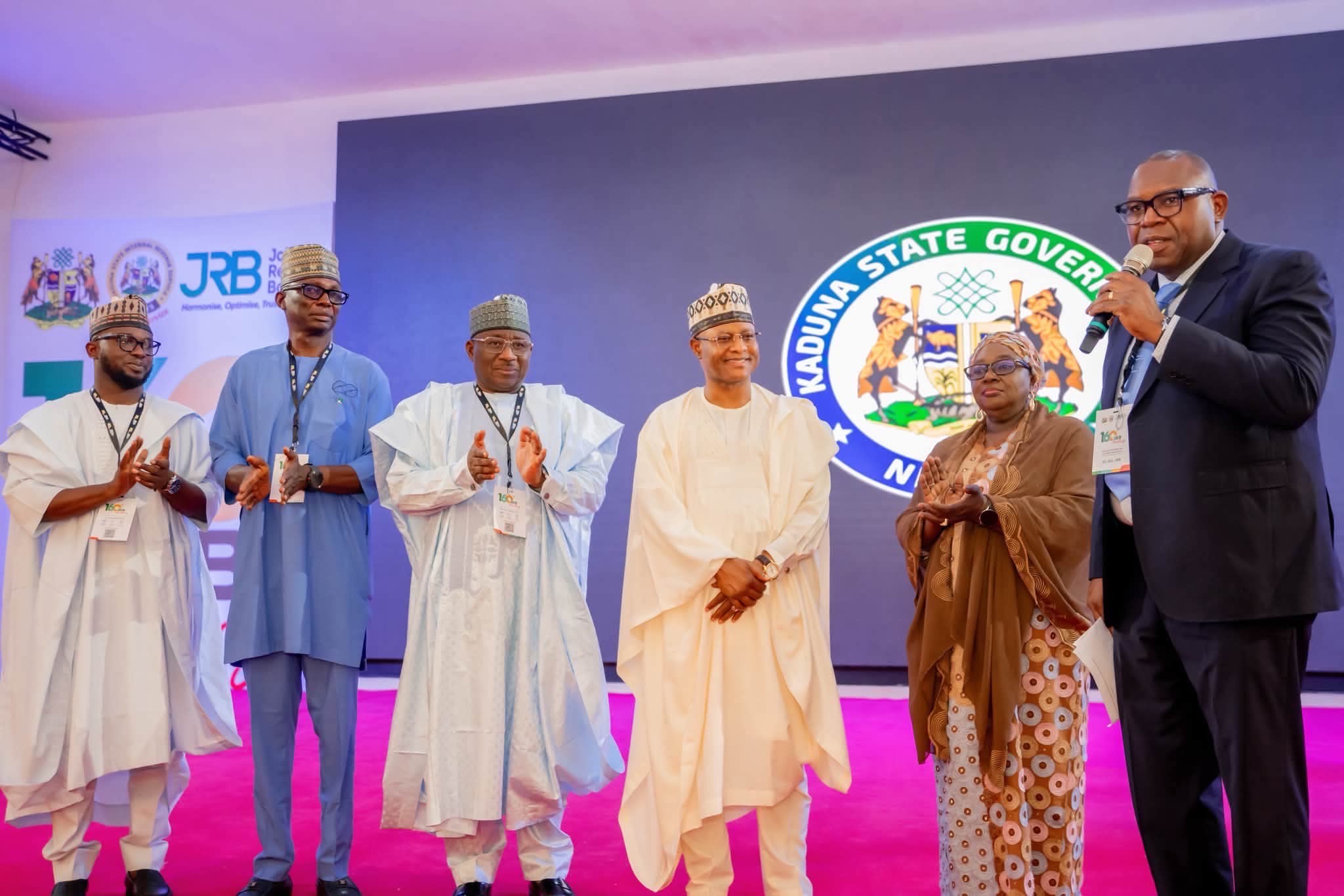
Governor Uba Sani of Kaduna State and Olusegun Adesokan, the Executive Secretary of the Joint Revenue Board (JRB), have said that the issue of multiple and overlapping taxes will soon be over due to new tax reforms.
They spoke at the 160th meeting of the JRB held in Kaduna on Wednesday. The theme was, "One Year Of Tax Reform: Assessing Progress and Addressing Challenges."
While discussing the progress of the tax reforms after one year, Adesokan mentioned that 18 State Houses of Assembly have adopted the model law on harmonised taxes and levies. This step aims to reduce tax overlap and duplication in Nigeria.
Mr Adesokan explained that the new law has cut down the more than 50 tax items managed by States and Local Governments to just nine. The law also ends cash collection and the setting up of roadblocks for tax collection. The JRB Executive Secretary noted that this has greatly helped in harmonising taxes and levies at state levels.
He cleared up the false belief that the tax reform has led to higher taxes. Instead, he said it has lowered the tax burden on low-income earners and removed many nuisance taxes. The reforms also provide relief for low earners and small businesses.
Adesokan thanked Governor Uba Sani for hosting the 160th JRB meeting and for his support of the tax reforms. He also praised the governor for nominating Mr Jerry Adams, the outgoing Executive Chairman of Kaduna State Internal Revenue Service, as his running mate for the 2027 gubernatorial election.
Speaking at the meeting, Governor Sani shared his excitement about the tax reforms. He said they have not only removed tax duplication but also boosted revenue generation. He noted that Nigeria's tax revenue has grown to N21.6 trillion since President Bola Tinubu started the tax reforms in 2026.
The governor pointed out that the national revenue was about ₦10.1 trillion in 2023, ₦21.6 trillion in 2024 and around ₦36.8 trillion in 2025. He added, "In the first half of 2026 alone, revenue reached approximately ₦21.6 trillion, representing a 49 percent increase over the same period last year."
Sani praised President Bola Tinubu for making, as he put it, "the bold and politically demanding decision to reform Nigeria’s tax system through landmark laws, including the Act that changed the Joint Tax Board to the Joint Revenue Board."
He said, "This decision showed a deep understanding that a modern economy cannot thrive with an outdated and complicated revenue system."
According to him, Nigeria needs a tax system that is clear, predictable, efficient, and able to support national development without hindering business and investment.
The governor acknowledged Dr Zach Adedeji, the Chairman of the Joint Tax Board and Executive Chairman of the Nigeria Revenue Service, “for his great leadership in pushing Nigeria’s tax reforms forward.”
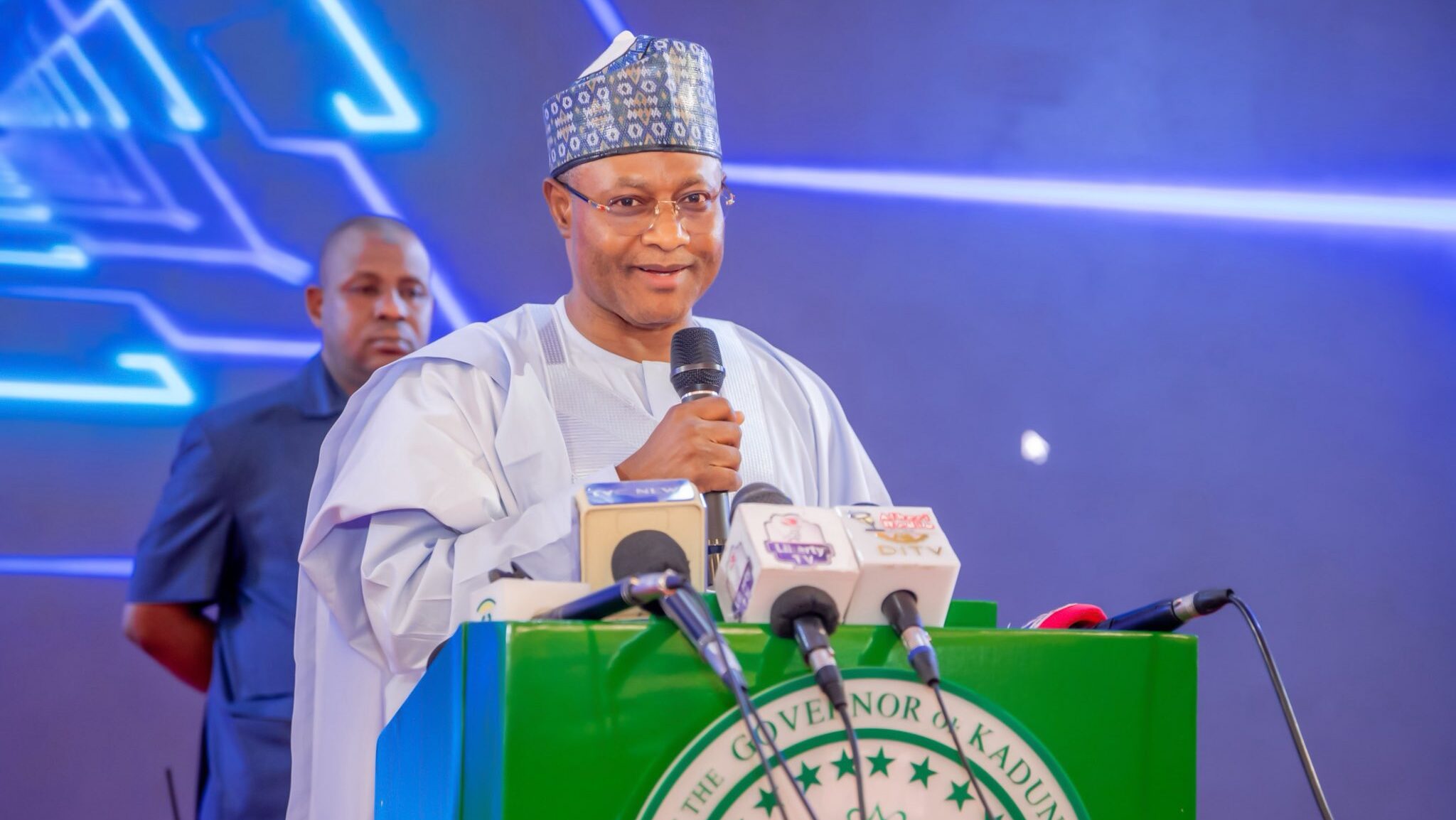
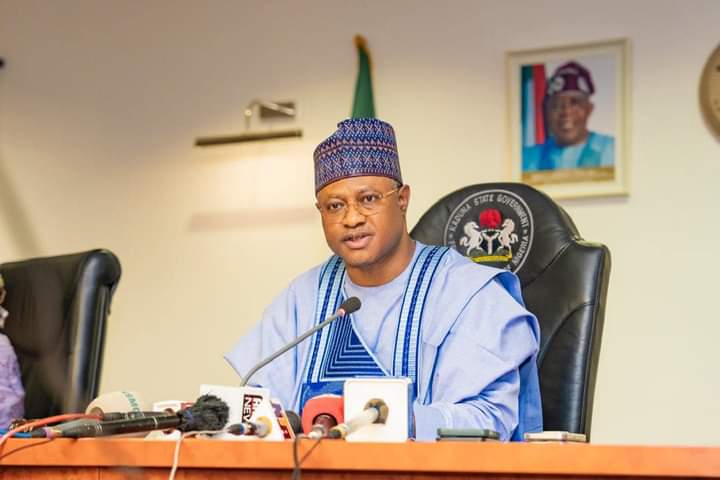
Uba Sani said Dr Adedeji’s effort is marked not just by skill but also by a strong sense of the bigger picture of tax reform. He said it aims to boost revenue collection and make the system simpler and fairer.
Sani noted, “Big reforms like this need courage. They require patience to build agreement and discipline to stay focused, while also being creative in turning laws into effective practice. Mr Adedeji has shown these qualities well.”
The governor also praised the former Executive Chairman of Kaduna Internal Revenue Service, Mr Jerry Adams, and his team. They increased the state's monthly internally generated revenue from nearly N4 billion to N10 billion.
He stressed that these revenue figures are more than just numbers. They show a growing ability to fund national development from local resources.
He explained that the tax reforms aim to simplify the tax system, cut down on multiple taxes, use technology and e-invoicing to reduce losses.
He added that the reforms seek to improve revenue administration and, importantly, rebuild trust between the government and taxpayers.
Sani said sustainable taxation should not rely only on force but must be based on fairness, transparency, and trust. He explained, "People are more likely to pay taxes when they know their responsibilities, see a simple system, and trust that their contributions are used properly."
He concluded, "The goal should not just be to collect more taxes. It should be to create a tax system where paying taxes is easier and where voluntary compliance becomes the norm."
Earlier, in his opening remarks, Dr Zacch Adedeji, Chairman of the Joint Revenue Board, represented by Muhammad L Abubakar, Executive Director of Finance and Corporate Services, Nigeria Revenue Service, said the meeting's theme encourages the Board to review progress made in implementing the reforms. He said it is also a chance to address any challenges.
He added, "While we have made good progress in reforming institutions, digitisation, data integration, and collaboration, the true measure of success will be better revenue collection, higher compliance, a better taxpayer experience, and a stronger contribution to national growth."
Comments
No comments yet.