Nigeria Embraces Renewable Energy: A Bright Future Ahead
Nigeria is embracing renewable energy to support its economic growth. Key projects and investments are paving the way for a sustainable future.
There is a change happening, and it is a positive one. This change can help Nigeria reach its goal of becoming a $1 trillion economy. All over the world, energy systems are being redesigned very quickly. Renewable energy capacity is growing faster than ever before, with solar energy leading the way.
Power consumption is also changing. It is no longer just households and traditional industries driving demand. Now, electric cars, cloud computing, data centers, and manufacturers are also part of the mix.
The world is not just watching; it is investing in areas that deserve attention. There is a rising wave of investments supporting Nigeria’s renewable energy initiatives.
The federal government, through the Rural Electrification Agency (REA), is taking the lead. They are working with private investors and development partners, all supported by friendly policies.
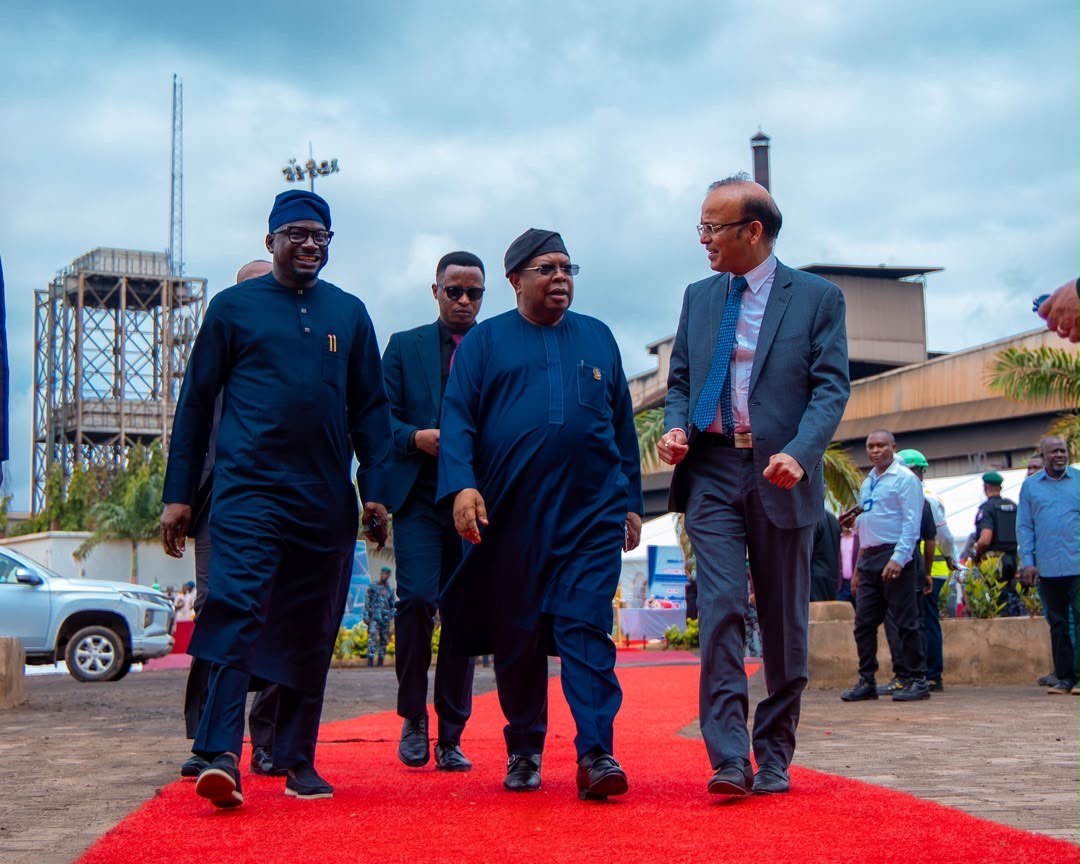
In Niger State, the state government recently handed over 500 hectares of land for a 200MW solar power project that will supply power to Abuja Steel Mills. This project is not just about producing electricity. It aims to show how renewable energy can directly help industrial growth, local manufacturing, job creation, and economic changes.
Likewise, the UNDP, through its Africa Minigrids Program (AMP), has invested over $5.9 million in Nigeria. This funding comes from the Global Environment Facility (GEF) and is in partnership with RMI, the African Development Bank, and the REA. The funding mainly focuses on supporting women and empowering them as leaders in achieving sustainable energy. It is expected to cut down about 74,000 metric tons of CO2 over the lifetime of these mini-grid projects by replacing diesel and fuelwood with solar energy. This initiative has also improved the lives and businesses of over 20,000 people.
In addition, the International Finance Corporation (IFC), part of the World Bank Group, is partnering with Norfund, the Norwegian Investment Fund for developing countries. They are providing up to $83.2 million to support five Renewable Energy Service Companies (RESCOs). These companies are Darway Coast Nigeria Limited, GVE Projects Limited, Prado Power Limited, PriVida Power Limited, and StarTimes Energy. This funding will help expand electricity access in communities without connection to the national grid.
This funding includes $35.3 million in concessional debt from the IDA Private Sector Window Blended Finance Facility and IFC’s Concessional Capital Window. Combined, these projects represent about $271 million in capital expenditure. This will fund the setting up of 315 solar hybrid mini-grid sites and connect 2.9 million people to clean electricity.
On the private side, companies like Sun King see great opportunities in Nigeria's renewable energy sector. In May 2025, they, along with the IFC and Stanbic IBTC Bank, secured an $80 million loan to boost access to off-grid solar energy in Nigeria.
This investment matches Nigeria’s Country Partnership Framework with the World Bank Group. It also supports Mission 300, a joint initiative with the African Development Bank aimed at increasing electricity access in Africa.
Anish Thakkar, Co-Founder of Sun King, said, “Off-grid solar provides the fastest and most scalable pathway to universal electrification across Africa.”
This growing collaboration is also seen with First City Monument Bank (FCMB). They launched a $188 million Green Finance Facility with the REA to support sustainable infrastructure. FCMB also started a #100 billion dual currency funding to help expand energy access in Nigeria.
Other banks like Lotus Bank have teamed up with the REA to create a dedicated #100 billion interest-free renewable energy financing. This aims to ensure that tailored credit reaches underserved communities.
Recently, WeLight, one of Africa’s biggest rural electrification companies, announced plans to invest in Nigeria by 2027. They are backed by €27 million from the IFC and plan to deploy and operate 400 mini-grids and 50 MetroGrids in Nigeria by 2030.
The REA is not trying to fix every power problem at once. They are focusing on areas where reliable power can quickly boost productivity and revenue. This strategy allows them to start more projects to speed up energy access. This is part of the federal government’s “Electricity Growth Zones” where power supply, economic demand, investment in infrastructure, and private funding are aligned.
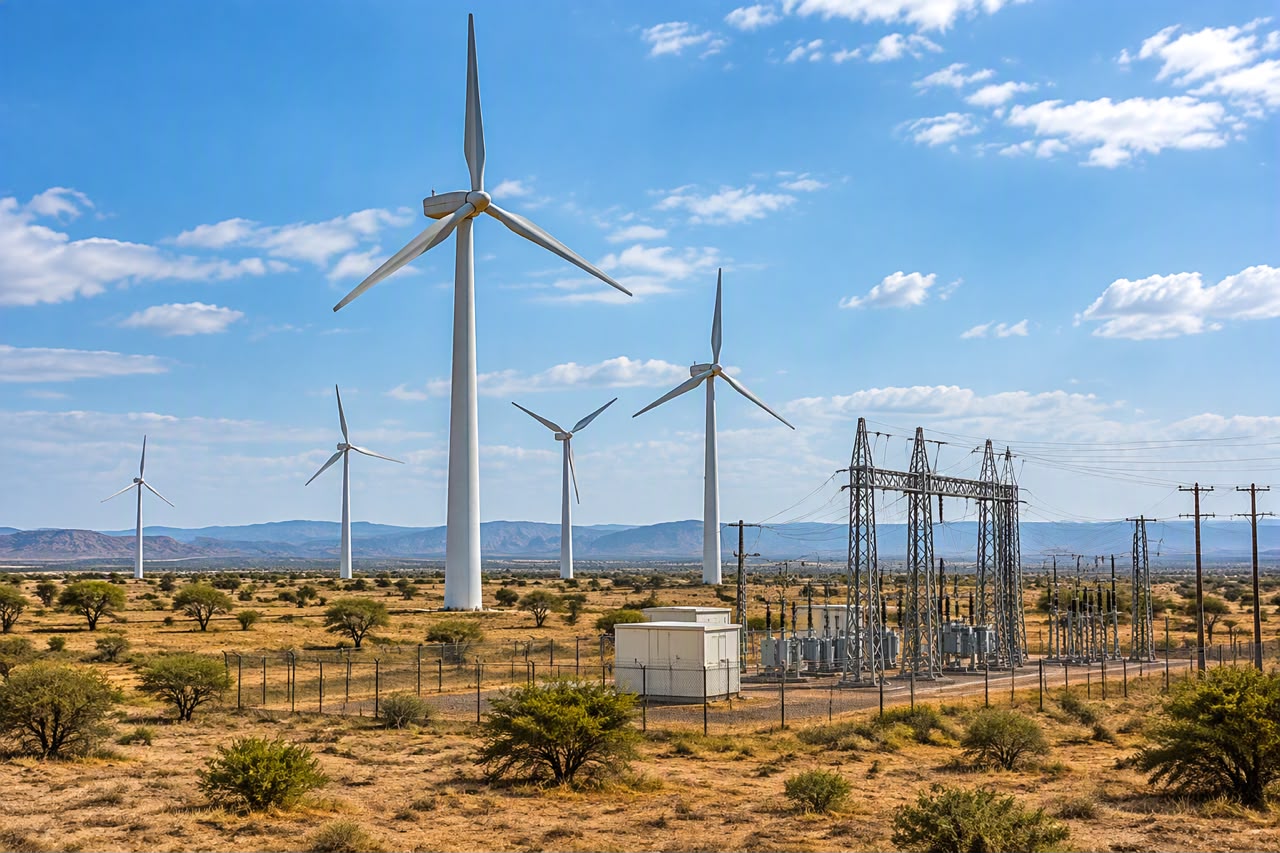
These fast investments show that distributed energy can develop quicker than traditional infrastructure when the right policies, economics, and technology come together. Solar energy, storage solutions, and dedicated renewable infrastructure can support our $1 trillion goal and create an industrial boom in ways that regular grid supply might struggle to achieve in the near term.
Dr. Abba Aliyu, the Managing Director of the REA, spoke at the LCCI Renewable Energy Outlook Conference. He said, “If Nigeria creates predictable pipelines of mini-grids, public-sector solarization, embedded generation, industrial solar systems, and large renewable projects, manufacturers will have the confidence to invest.”
He added, “If manufacturers invest, projects become cheaper, supply chains become stronger, jobs are created, and the economy captures more value.”
Under Dr. Aliyu’s leadership, the REA is changing. It is moving away from being seen as a tool for lawmakers’ projects and becoming a key player as a market-enabling institution. The agency is building data, standards, project pipelines, demand aggregation models, and financing partnerships to help the private sector grow.
A market that cannot see itself clearly cannot attract investment effectively. The world is paying attention. Nigerians should also pay attention to the next decade, which will be powered by renewable energy.
Jeremiah C Oresanya is a commentator and a legal finance advisor. He writes from Lagos, Nigeria.




Comments
No comments yet.