Nigeria expands emergency healthcare across 34 states with new digital system
The Nigerian government is expanding emergency healthcare services nationwide with a new digital platform to improve response times and patient tracking.
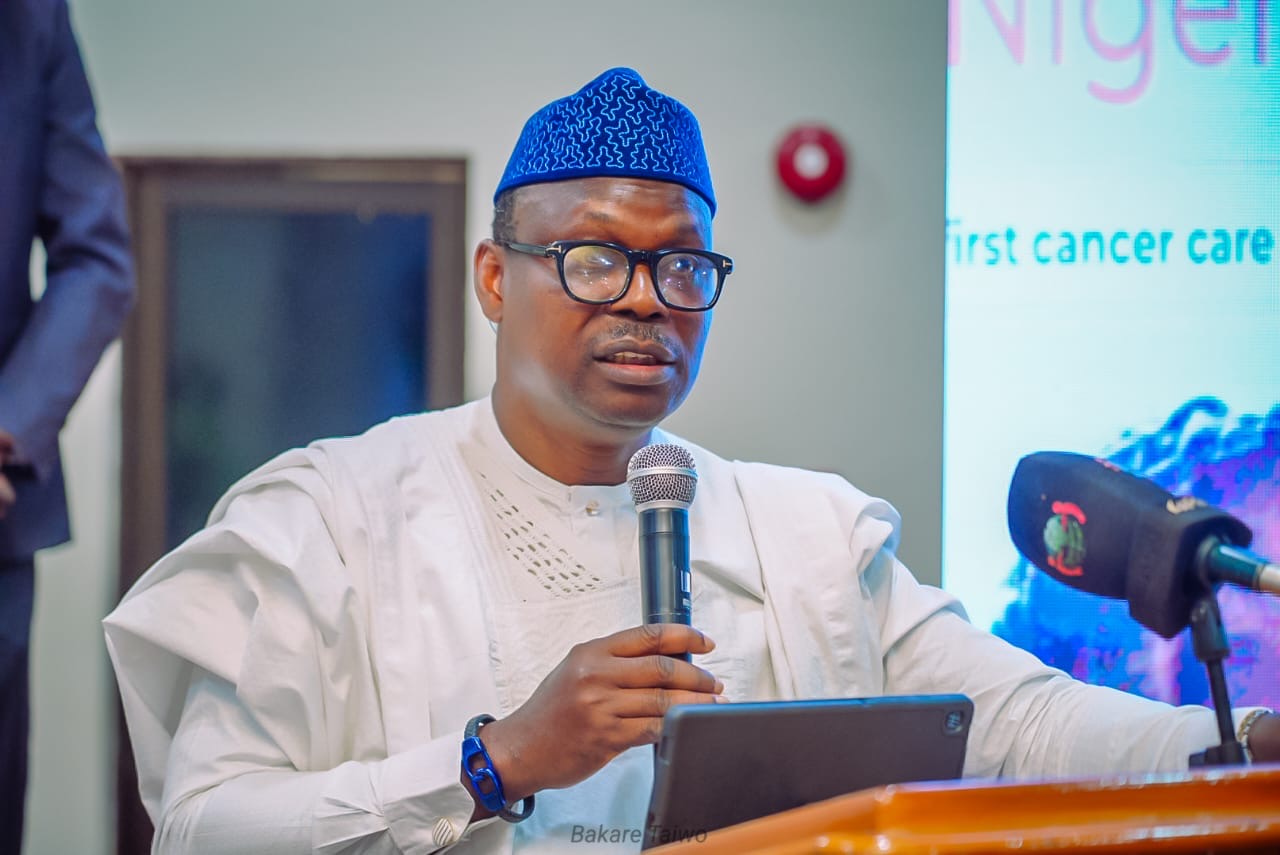
The federal government is working to improve Nigeria’s emergency healthcare by expanding the National Emergency Medical Service and Ambulance System (NEMSAS). They are also developing a digital emergency dispatch platform to respond better to serious health issues.
The Minister of State for Health and Social Welfare, Iziaq Salako, shared this news on Thursday at the 11th Annual Scientific Conference and Annual General Meeting of the Intensive and Critical Care Society of Nigeria (I-CCSN) in Abuja.
This year's conference theme is “Sustainable Financing for Intensive Care in Public Hospitals in Nigeria.” It aims to improve access to critical care and tackle funding issues in the country's health system.
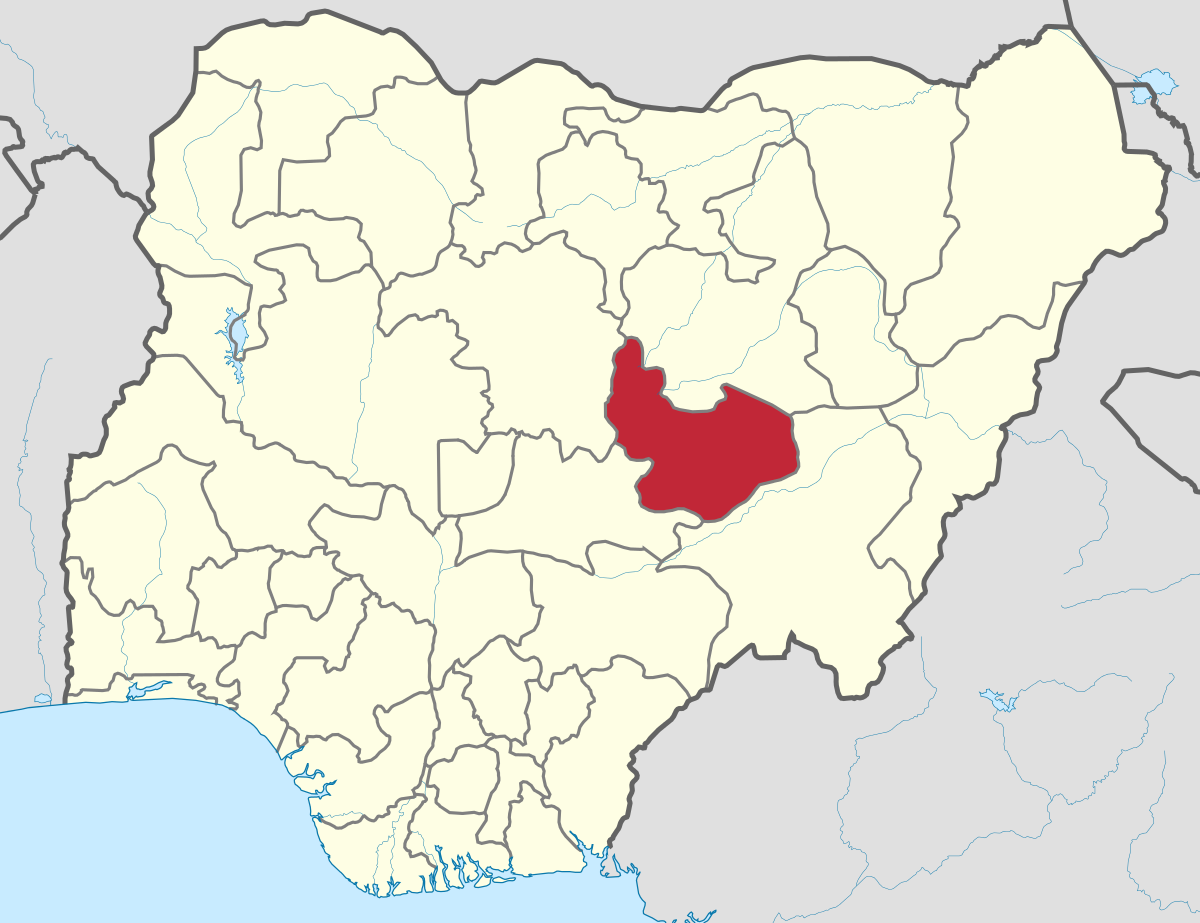
Mr Salako mentioned that NEMSAS, which started as a pilot project in the Federal Capital Territory (FCT), has now reached 34 states. This brings Nigeria closer to having emergency medical services available nationwide.
He also revealed that the government is creating a digital emergency dispatch platform. This platform will link emergency callers, ambulance services, and treatment centres in one system.
According to him, this platform will help with real-time emergency responses, patient tracking, referrals, and managing claims.
Improving Emergency Care
Mr Salako emphasized that enhancing critical care goes beyond just equipping intensive care units (ICUs). He highlighted the importance of having a connected emergency care system.
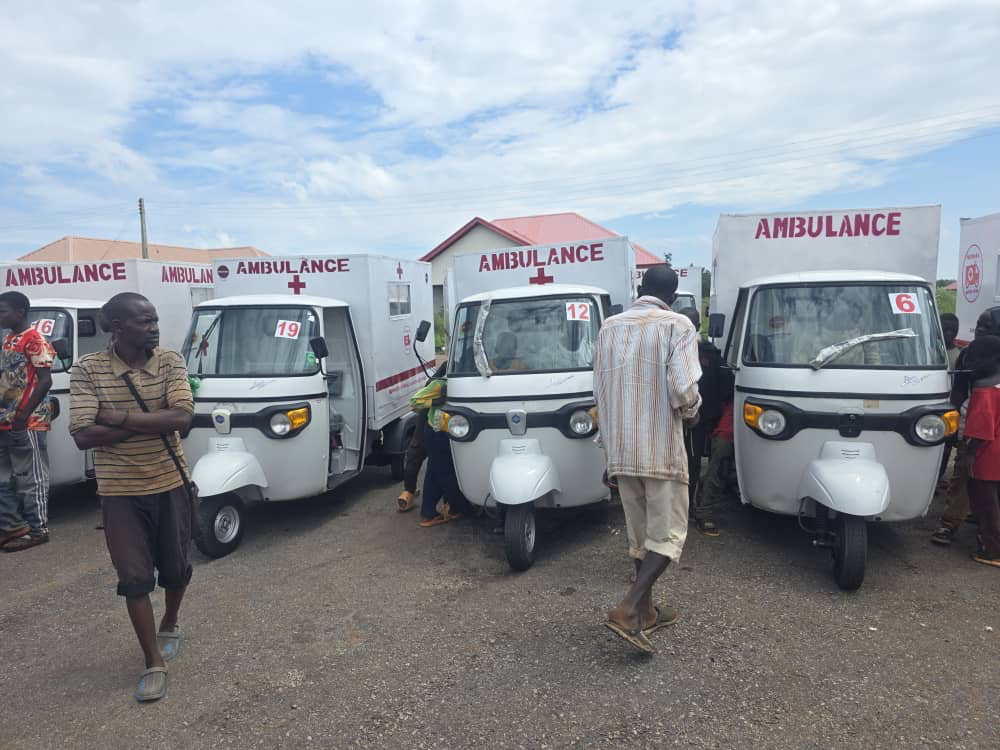
This system should connect ambulance services, high-dependency units, medical oxygen systems, diagnostic services, health insurance, trained health workers, and rehabilitation services to provide quick, life-saving care.
“Critical illness does not discriminate. No Nigerian family should be forced to choose between financial ruin and access to life-saving healthcare,” he remarked.
He added that the government is also increasing access to medical oxygen. They plan to install Pressure Swing Adsorption (PSA) oxygen plants in health facilities nationwide to ensure a steady supply of this vital resource.
Workforce and Financing
Mr Salako pointed out that sustainable financing is key to improving critical care services in public hospitals.
He called for more investment in training specialists, fellowship programmes, and ongoing education for doctors, critical care nurses, biomedical engineers, and other healthcare workers involved in emergency and intensive care.
He also encouraged stronger teamwork among the federal government, state governments, healthcare institutions, professional groups, development partners, and the private sector. This teamwork is needed to turn conference discussions into practical policies that improve funding and make quality intensive care services more accessible across Nigeria.




Comments
No comments yet.