Nigeria is one of the top gas-flaring countries in 2025, says World Bank
Nigeria continues to be one of the world's biggest gas-flaring nations, according to the World Bank. This has serious implications for local communities and the environment.
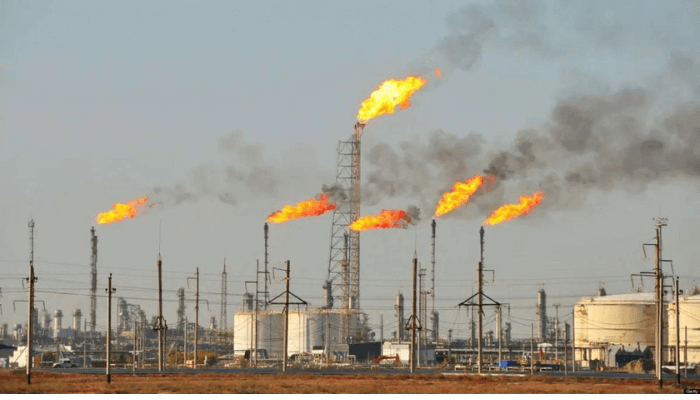
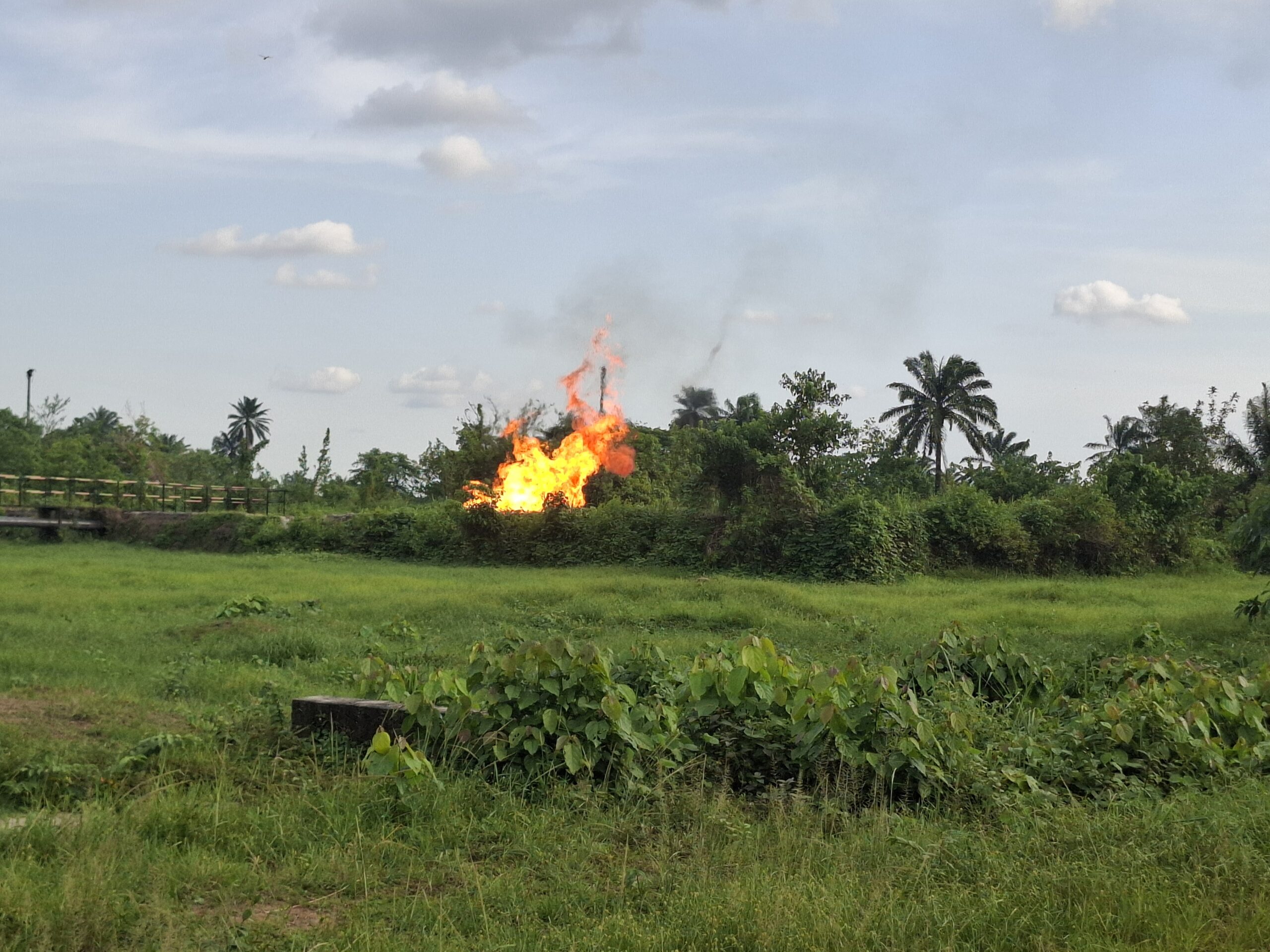
It was a bright Wednesday in early June. But the noise from the Heirs Energies gas plant in Oyigbo Local Government Area, Rivers State, and the heat from its flare stack filled the air with soot and smoke. A tall yellow flame burned all day, lighting up the area even in broad daylight.
Dozens of motor mechanics and spare-parts sellers, including Mrs Nkiru and her husband, whose shops are very close to the plant, have become used to the constant noise and heat.
Gas flares are everywhere in Nigeria’s oil-rich Niger Delta. For the people living near these sites, they mean more than just a sight to see; they bring daily environmental pollution, health issues, and economic struggles.
This situation has once again placed Nigeria among the world’s biggest gas-flaring countries. The World Bank’s latest Global Gas Flaring Tracker Report shows that Nigeria is still one of the top gas-flaring nations in 2025, as global flare volumes reached their highest level in six years.
The report, released this week, listed Nigeria among the top nine gas-flaring countries in the world. Other countries on the list include Russia, Iran, Iraq, Venezuela, Mexico, Libya, Algeria, and the United States.
According to the report, these nine nations accounted for 83 percent of all gas flared worldwide in 2025, yet they contributed only 46 percent of global oil production.
Gas flaring is the burning of natural gas that comes with crude oil extraction. This often happens because there is not enough infrastructure to capture, process, or transport the gas.
Environmentalists have long criticized this practice. It wastes valuable energy and adds significantly to greenhouse gas emissions.
The World Bank reported that global flare volumes reached 167 billion cubic metres (bcm) in 2025, the highest level since 2019. This amount is a 16 percent increase from 2012 and about 23 bcm more than in previous years.
The report also pointed out that nearly half of the recent rise in global gas flaring happened in 2025 alone. An extra 10 bcm was flared that year.
The data showed that Nigeria flared around nine bcm of gas in 2025, ranking it seventh among the world’s biggest flaring countries.
While Nigeria’s flaring stayed relatively stable compared to some bigger producers, the country still ranked among the largest contributors to global gas waste. This has continued despite years of efforts to cut down on flaring.
Russia remained the top gas-flaring country, with flaring volumes increasing by nine percent to about 30 bcm. Iran was close behind with around 30 bcm, while Iraq flared nearly 24 bcm.
Venezuela and Mexico were fourth and fifth, respectively, while Libya, Nigeria, Algeria, and the United States made up the top nine.
The report showed that increases in flaring were especially noticeable in Russia, Mexico, and Iran. Together, they accounted for over six bcm of the extra gas flared globally in 2025.
The World Bank warned that rising gas flaring is harming global climate goals and wasting resources, especially when many countries face energy shortages.
The report stated that the amount of gas wasted through flaring in 2025 was similar to the total gas consumption of Africa for a year.
"Globally, more gas is flared than passes through the Strait of Hormuz," the report said, highlighting the scale of this waste.
The report also noted that many countries continue importing large amounts of natural gas while flaring significant volumes of gas that could be used locally.
Countries like Egypt, India, and Iraq were identified as places where capturing flare gas could boost energy security and reduce reliance on imports.
Beyond carbon dioxide emissions, the World Bank pointed out the climate effects of methane from gas flaring. It is estimated that gas flaring worldwide in 2025 led to about 429 million tonnes of carbon dioxide equivalent emissions, including methane from incomplete burning and venting.
Methane is one of the most powerful greenhouse gases and has a much stronger warming effect than carbon dioxide in a shorter time.
A PREMIUM TIMES investigation last year found that many oil-producing communities, including those in Ogoniland, continue to struggle with severe hydrocarbon pollution. Residents reported that repeated oil spills had contaminated their farmlands and waterways, hurting farming and fishing livelihoods.
The report noted that flaring intensity, which measures the amount of associated gas flared per barrel of oil produced, increased by nearly 3 percent globally in 2025. This shows that progress in cutting emissions from oil production is uneven.
For decades, Nigeria has tried to stop routine gas flaring with various regulatory measures, penalties, and investment incentives.
The federal government has launched initiatives like the Nigerian Gas Flare Commercialisation Programme (NGFCP). This program aims to attract private investment into flare-gas capture projects and turn wasted gas into useful products.
Started in 2016 and managed by the Nigerian Upstream Petroleum Regulatory Commission (NUPRC), it auctions flared gas to third-party investors. The goal is to achieve zero routine gas flaring by 2035.
Nigeria has also committed to international efforts to end routine gas flaring and reduce methane emissions in the oil and gas sector, as shown in its Nationally Determined Contribution Documents (NDCs) submitted to the United Nations Framework Convention on Climate Change (UNFCCC).
But problems like lack of infrastructure, funding issues, operational challenges, weak enforcement, and delays in gas gathering projects have slowed progress.
Experts in the industry say that significantly cutting flaring will need ongoing investment in gas processing facilities, pipelines, power generation projects, and domestic gas use plans.
The World Bank emphasized that the latest figures show an urgent need for stronger action by major oil-producing countries to cut routine flaring and capture associated gas.
As global demand for cleaner energy rises, and governments aim to reduce greenhouse gas emissions, the report stressed that cutting gas flaring is one of the quickest and most cost-effective ways to improve environmental performance and boost energy security.
For Nigeria, these findings highlight the difficulty in balancing rising oil production goals with promises for climate action and efficient use of the country’s large natural gas resources.



Comments
No comments yet.