Nigeria Must Speak Up Against Its Problems
Nigeria is at a critical point where silence is no longer an option. Citizens and leaders must confront the deep-rooted problems affecting the country.
Every country gets to a point where silence stops being wise and becomes a problem. There come times when holding back cannot hide the decay. Good people must choose whether their comfort is more important than the truth. Countries do not fall only because of bad people. They also fall when good citizens, respected leaders, and responsible institutions keep quiet when danger is obvious.
Nigeria is getting to such a point. Trust in the government is fading. Insecurity has shaken communities and hurt livelihoods. There is deep suspicion around elections. Faith in the courts is weak. Institutions that should inspire trust often lead to doubt. These issues are not separate. They show a deeper national crisis. When hunger meets fear, unemployment and inflation collide, and citizens question the fairness of the systems meant to protect them, the moral fabric of society begins to wear out.
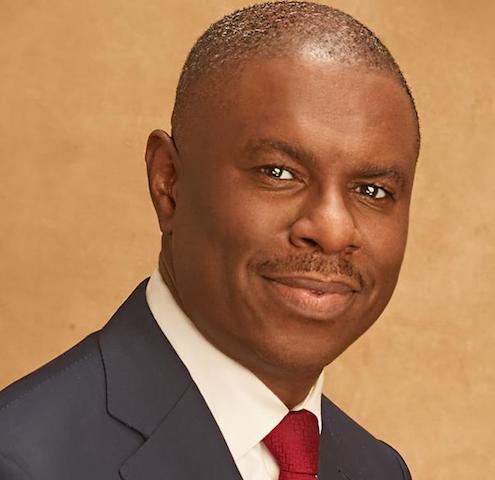
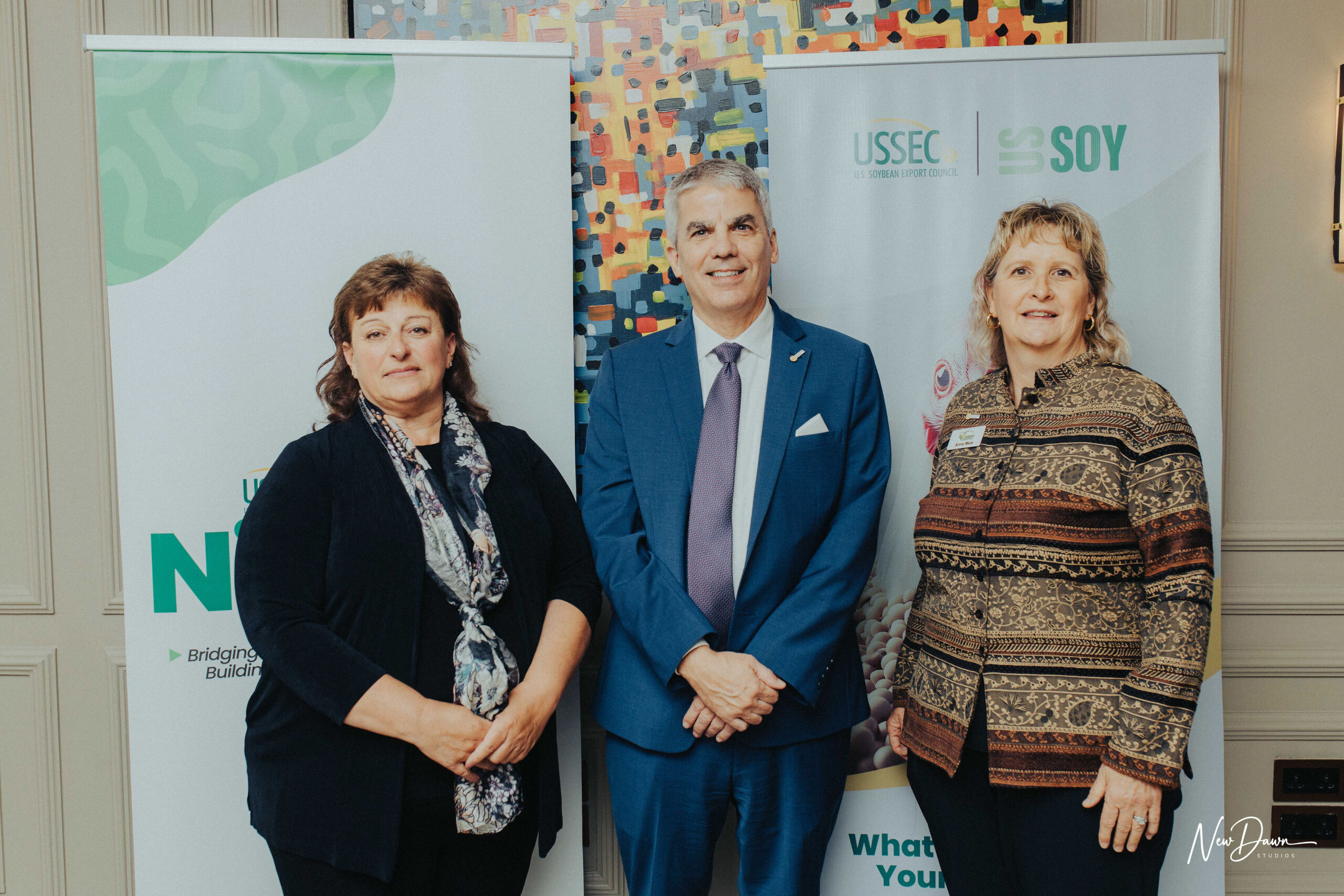
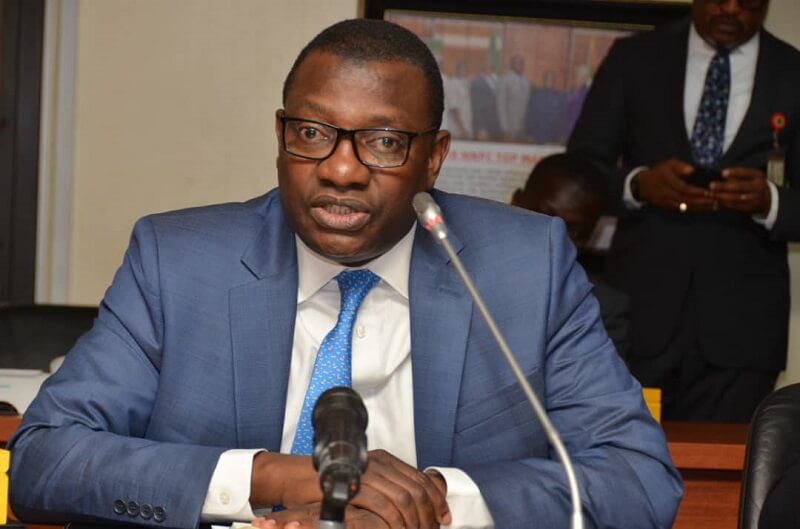
This is why the recent statement by a group of respected Nigerians deserves careful thought instead of quick dismissal. The statement was made by ten notable citizens, including former INEC Chairman Prof. Attahiru Muhammadu Jega, former Chief of Staff and diplomat Prof. Ibrahim Gambari, senior lawyer Abubakar Balarabe Mahmoud, political scholar Prof. Jibrin Ibrahim, former ActionAid country director Dr Husseini Abdu, former diplomat Amb. Fatima Balla, and four other distinguished Nigerians. One might not agree with everything they said or question the timing, language, or political implications. But it would be foolish to ignore its deeper meaning.
They have done what citizens of conscience must do in difficult times: refuse to act as if everything is fine.
The real issue is not whether every word in their statement is perfect. No public statement enjoys that privilege. The key question is whether the concerns they raised match the everyday experiences of millions of Nigerians. Do citizens feel safer today? Do they trust elections more? Do they believe public institutions are becoming more independent and accountable? Do they feel the government listens to their suffering, or only speaks when it wants praise? These are the questions that serious leaders must face.
A mature nation does not attack those who warn of moral issues. A fire alarm does not cause the fire. A doctor does not create a disease by diagnosing it. A statesman who warns of danger is not automatically against the government. Wisdom lies in listening beyond tone, personality, and political suspicion to see if the warning contains truth. Self-reflection does not weaken leadership; denial does.
Nigeria’s issues are growing, but the real danger is how each crisis feeds into the next. Insecurity disrupts farming, trade, education, and investment. Economic hardship increases frustration and breaks down social trust. Distrust in elections breeds cynicism. Doubt in the judiciary weakens faith in lawful solutions. Weak institutions encourage lawlessness. One failure strengthens the next until the state seems strong but lacks legitimacy.
This is why conscience is important. Conscience is not just feelings. It is the inner discipline that helps people and societies tell the difference between convenience and duty. In public life, conscience does what propaganda cannot: it asks tough questions, shakes up false comfort, and reminds the powerful that authority is temporary, but accountability is lasting. Loving a country is not about silence. It is about demanding that it becomes deserving of its people’s sacrifices.
Leadership does not end with holding public office. Former leaders, respected elders, judges, scholars, clerics, labor leaders, professionals, and entrepreneurs who have public trust carry a lasting moral duty. Holding a position gives authority, but credibility gives that authority meaning. Those who have seen government from the inside cannot just retreat into private comfort when the nation is in trouble. Their experience becomes a resource for the public; their silence during difficult times can be seen as abandoning their duty.
The worries about Nigeria’s democracy are urgent. The separation of powers is not just a constitutional decoration. It is protection against abuse. Legislative autonomy is not just a privilege for lawmakers; it is safety for citizens. Judicial independence is not just a lawyer’s demand; it is the shield of the weak. Electoral credibility is not just the concern of politicians; it is the basis for peaceful power transfer.
When people stop trusting elections, disappointment grows. Citizens start to question the value of peaceful participation. When courts seem slow, technical, compromised, or distant, frustration leaves the system and spills into the streets. When election managers seem incompetent or biased, every contest becomes not just a competition for office but a test of national stability.
The journey to 2027 must be approached with humility and urgency. Electoral reform is not a favor to the opposition. It is an investment in peace. The credibility of the next general election will depend on what is done long before election day: clear voter registration, reliable technology, credible appointments, effective security planning, prompt punishment for electoral offenses, and honest communication with citizens. Trust is not built at polling units. It is established through consistent actions, visible competence, and institutional integrity.
The judiciary also faces a major test. Courts tell citizens whether power has limits, if truth matters, and whether the poor can stand before the powerful without fear. When public trust in courts declines, investors hesitate, citizens lose hope, politicians become reckless, and the rule of law becomes meaningless. The judiciary must protect not only its independence but also its credibility in the public’s eyes.
The security situation is equally serious. Nigeria cannot separate its stability from the unrest spreading across the Sahel and West Africa. Terrorism, arms trafficking, open borders, military coups, weak regional coordination, and collapsing authority in neighboring states all affect Nigeria. Mali, Burkina Faso, Niger, and the Lake Chad Basin are not distant concerns; they are part of the security environment in which Nigeria must survive and lead.
This calls for renewed regional engagement. Nigeria must avoid emotional diplomacy and embrace practical statecraft focused on intelligence sharing, border management, peacebuilding, and rebuilding trust. But security is not just about guns and checkpoints. Peace also requires functional schools, youth opportunities, trusted local justice, inclusive communities, and governance that reaches neglected areas before extremists, criminals, or demagogues do.
Responsibility cannot rest on the government alone. Professional bodies must defend standards and resist corruption. The private sector must understand that profit cannot thrive in lawlessness. Religious and traditional leaders must promote dialogue and restraint. Civil society must mobilize citizens with courage and discipline. The media must inform, investigate, and challenge power without giving in to fear, sensationalism, or manipulation.
Citizens must also resist the paralysis of despair. Despair is understandable, but it should not become a political philosophy. Citizenship is more than voting. It requires vigilance, participation, service, peaceful protest, open debate, and the daily refusal to accept what harms society. Democracy needs strong institutions, but institutions need citizens who care enough to defend them.
Nigeria is still a strong country. Its people are energetic, creative, entrepreneurial, religious, adaptable, and hopeful. Every day, Nigerians work, trade, teach, heal, innovate, farm, worship, and raise families despite challenges. Yet resilience should not be taken for granted. No country should keep asking citizens to endure while accountability fades and institutions fail. Hope needs proof. Patriotism requires responsible leadership.
The way forward starts with honest acknowledgment. The government must understand that many Nigerians are not just impatient; they are worn out by insecurity, rising prices, unfulfilled promises, elections that bring bitterness, distant institutions, and a political culture that often confuses power with wisdom. Acknowledgment is not a weakness. It is the first step towards fixing things.
After acknowledgment must come reform. Security strategies must be better coordinated, intelligence-led, community-focused, and regionally aware. Economic policies must be explained with empathy and implemented with protections for the vulnerable. Electoral institutions must regain confidence through transparency and competence. The judiciary must maintain its independence and public credibility. The legislature must recover its courage, especially in checking executive excesses. Public communication must become less defensive and more straightforward. Leaders must understand that legitimacy cannot be forced; it must be earned.
The question is not whether respected Nigerians should have spoken out. They should. In moments of national drift, silence is easier, but not nobler. The real question is whether those in power are ready to listen, reflect, and act. To brush off every warning as opposition politics is to misunderstand the national mood. To treat criticism as hostility is to confuse government with the nation. Nigeria is bigger than any administration, party, court, legislature, or election cycle.
When conscience speaks, wise nations listen. They sift through warnings, face the truth, correct the drift, and commit to renewal. Nigeria has ignored too many alarms before. It cannot ignore this one. The nation must choose again between the comfort of denial and the tough dignity of reform. Its future may depend on that choice.
Comments
No comments yet.