Nigeria needs ₦500 billion to improve digital health over five years, Official
The Nigerian government seeks ₦500 billion to enhance digital health over the next five years, aiming for better healthcare delivery nationwide.
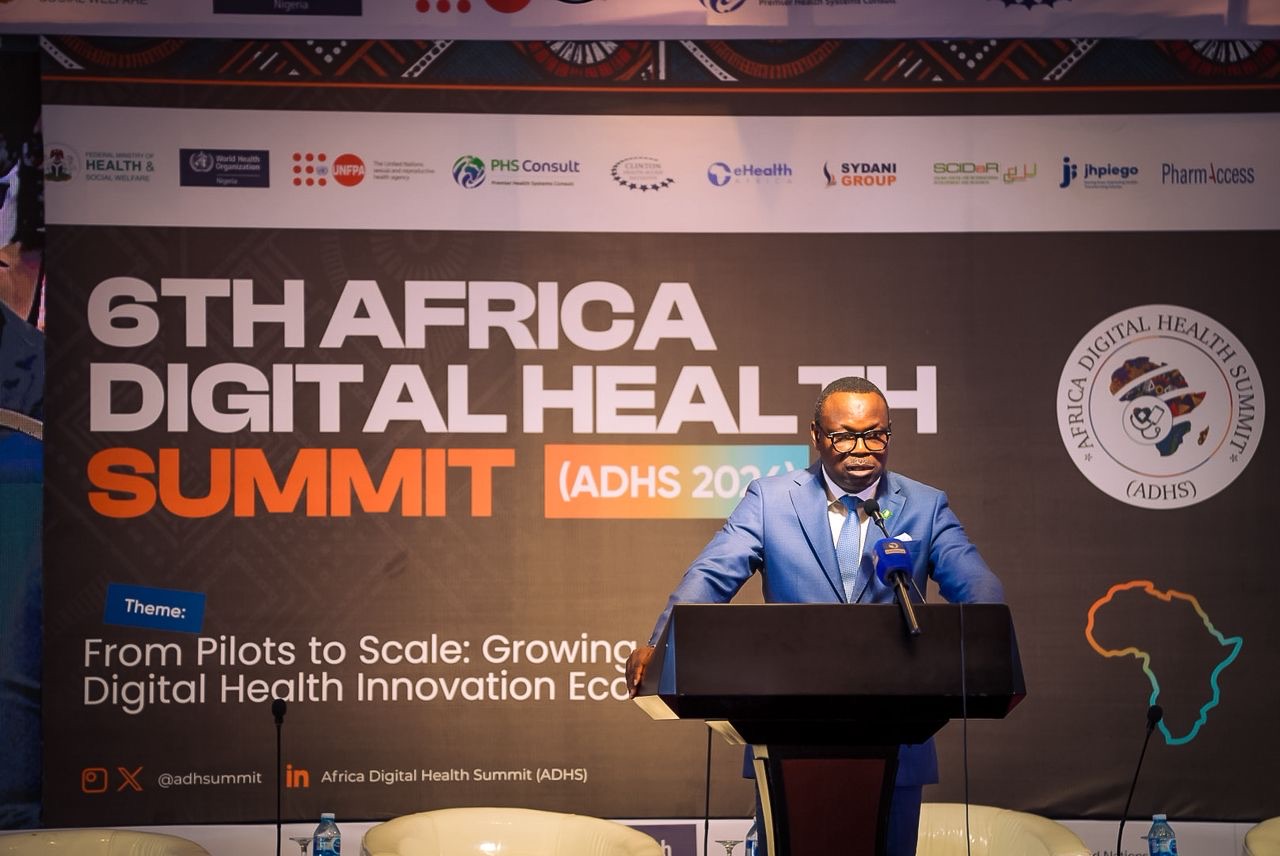
The federal government says Nigeria needs about ₦500 billion in the next five years. This money will help build the digital infrastructure needed to improve healthcare delivery and achieve universal health coverage.
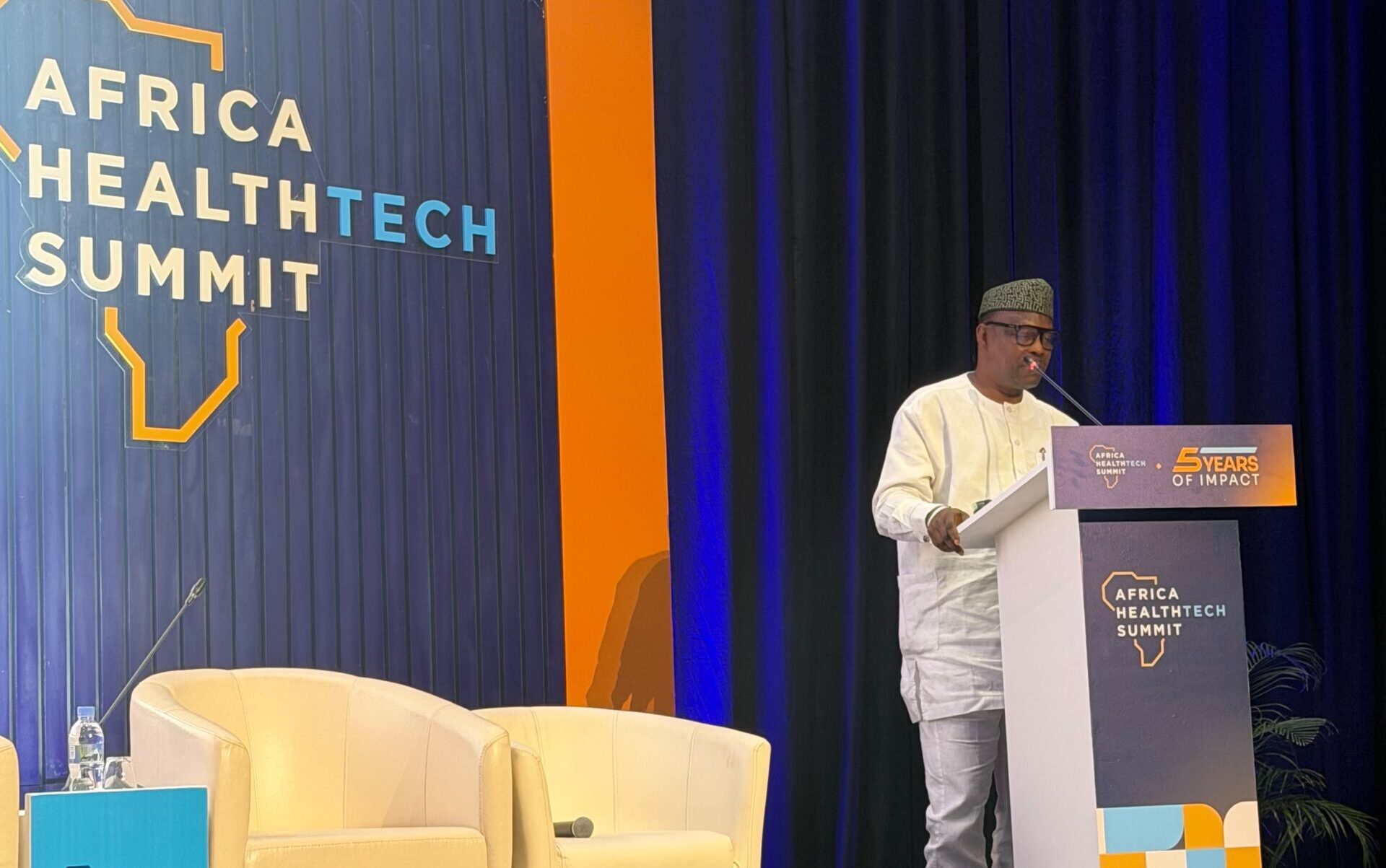
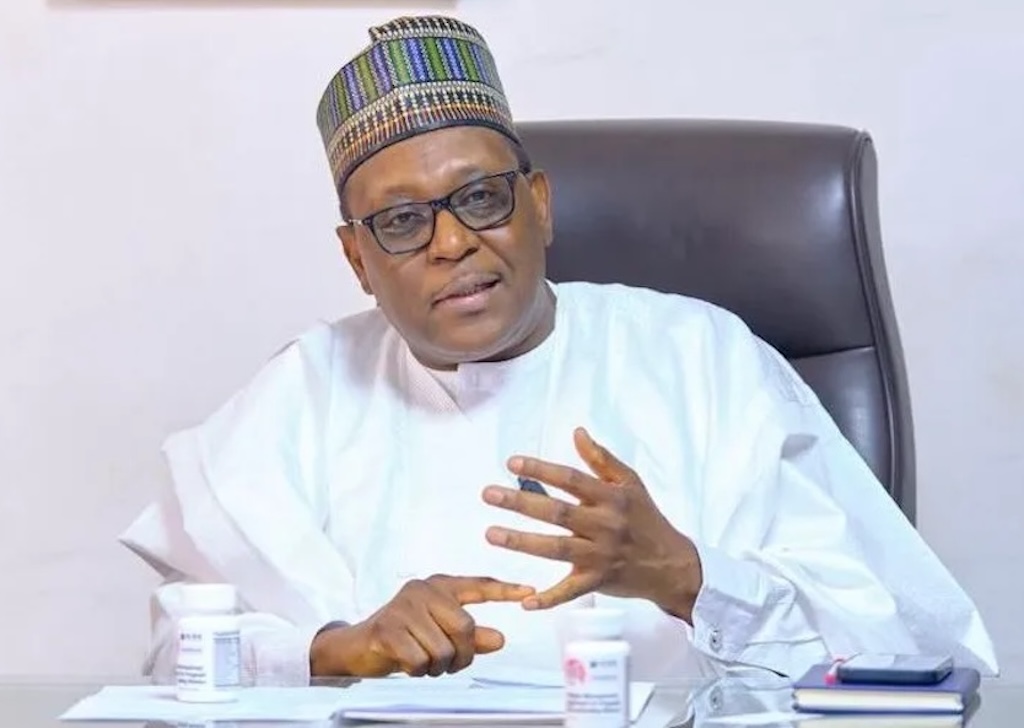
Iziaq Salako, the Minister of State for Health and Social Welfare, shared this information on Thursday at the start of the 6th Africa Digital Health Summit in Abuja.
Mr Salako explained that this investment will cover both capital and operational costs. This money will help implement the National Digital Health Architecture, aimed at unifying health information systems across Nigeria.
He urged the National Pension Commission and Pension Fund Administrators to invest pension funds in digital healthcare infrastructure. He believes that such investments will enhance healthcare delivery and provide steady returns.
"Our plan is costly, requiring an estimated investment of about ₦500 billion in capital and operational costs over the next five years," he said.
While discussing the summit’s theme, "From Pilot to Scale: Growing Africa’s Digital Health Innovation Ecosystem," Mr Salako noted that Africa has seen many digital health pilot projects in the past decade. But many of these projects are still disconnected, dependent on donors, and have not made a national impact.
He stated that Nigeria is now looking to move beyond these single projects to develop digital health systems that can serve all citizens.
He mentioned that digital health is now a key part of President Bola Tinubu’s Health Sector Renewal Investment Initiative. Many reforms are already in motion.
He said the National Council on Health approved the Nigeria Digital-in-Health Initiative in November 2024. This led to the creation of the National Digital Health Architecture, which all 36 states and the Federal Capital Territory endorsed in June 2025.
The framework sets common standards for electronic health records, health worker and facility registries, and interoperability between health information systems.
Mr Salako revealed that an assessment of Nigeria’s 79 federal tertiary hospitals showed that electronic medical records are used in about 74.5 percent of these facilities.
He also mentioned that the Nigeria Health Worker Registry has been running since 2020. The government’s Open Logistics Management Information System now helps manage vaccine supplies in all 774 local government areas and 835 cold chain stores.
He noted that this system has cut down vaccine shortages and wastage through real-time monitoring and redistribution. He also mentioned that the federal government is launching an Electronic Immunisation Registry nationwide and upgrading its Integrated Human Resources Information System to enhance data management.
Despite these advances, Mr Salako admitted that several challenges still block nationwide digital health implementation.
He pointed out that many donor-supported health information platforms work independently. This makes it hard for healthcare providers to share patient information across different facilities.
Mr Salako also mentioned poor infrastructure as a big hurdle. He said that 43 percent of primary healthcare centres do not have electricity at all, while many others get only a few hours of power each day. He added that about 60 percent of rural primary healthcare facilities lack internet access, which limits digital service deployment.
He also pointed out that there is a shortage of skilled digital health professionals and a heavy reliance on donor funding. These issues are significant obstacles to long-term sustainability.
Mr Salako urged state governments, development partners, and private sector organizations to align their investments with the National Digital Health Architecture instead of funding separate digital platforms.
He explained that states adopting the framework would gain financial incentives under the federal government’s HOPE Primary Healthcare Programme, which ties funding to progress in digital health implementation.
Mr Salako encouraged technology companies to collaborate more with the government when designing digital health solutions. He emphasized that interoperability and national standards will be central to future investments.
He concluded by saying that Nigeria has the policy framework and technical setup needed for digital healthcare transformation. But long-term political commitment and local financing will decide if these reforms will work.





Comments
No comments yet.