Nigeria's AfCFTA Plan: Progress, Ambitions, and Challenges Ahead
Nigeria's AfCFTA strategy aims to transform trade and reduce oil dependency. However, implementing this plan poses significant challenges ahead.

In my previous article, I discussed Biashara Afrika, a key business forum that gathers African leaders, ministers, policymakers, small and medium enterprises, investors, and entrepreneurs. The goal is to speed up the implementation of the African Continental Free Trade Area Agreement (AfCFTA) and explore trade partnerships within Africa. This was the third edition of the summit, held in Togo from May 18 to 20.
I mentioned that AfCFTA is now more than just an idea. The Agreement was signed on March 21, 2018, in Kigali, Rwanda, and commercial trading began in January 2021. Since then, Africa’s ambitious economic integration project has aimed to create a single market, change trade across the continent, cut down non-tariff barriers, and offer new opportunities for investors. This aligns with Kwame Nkrumah’s famous words: Africa must unite or perish.
As we aim to unite and speak as one, African countries need to align their local plans with the AfCFTA framework. When Nigeria signed the Agreement in July 2019 after extensive consultations, it was not just signing a document. Nigeria was betting on a $3.4 trillion continental market to reduce its oil dependency, create jobs for its over 220 million people, and become West Africa’s trade center.
But signing the Agreement is just the first step. The real challenge is putting Nigeria’s AfCFTA strategy into action. This strategy outlines how Nigeria can turn promises into actual trade across borders. "Treaties don’t create jobs, trucks do," says Dr Jumoke Oduwole, the minister of Industry, Trade and Investment, and incoming Chair of AfCFTA Council of Ministers. So, what’s the plan to get those trucks moving?
Since it became active in 2021, the Agreement has aimed to remove tariffs on 90 percent of goods, liberalize services, and strengthen economic ties among African nations. For Nigeria, AfCFTA is more than a trade agreement. It is seen as a key route to economic diversification, industrial growth, export increase, and inclusive development in a country long reliant on oil revenues.
Initially, Nigeria approached the Agreement cautiously. It signed the AfCFTA in July 2019 and ratified it in November 2020. To ensure smooth implementation, former President Muhammadu Buhari set up the National Action Committee on AfCFTA (NAC-AfCFTA) in December 2019. This committee, led by the Minister of Industry, Trade and Investment, acts as the main platform for cooperation among government bodies, the private sector, and other groups.
Under President Bola Ahmed Tinubu, efforts to implement the plan gained significant speed in 2025. This was driven by reforms, policy changes, and a renewed focus on expanding Nigeria’s presence in African markets.
Nigeria aims to be one of Africa’s top suppliers of value-added goods and services. The country hopes to capture at least 10 percent of Africa’s global imports and double its export revenues by 2035. The strategy aligns with national goals and seeks to take advantage of Nigeria’s strengths, including its large population, rich mineral resources, agricultural potential, telecommunications, digital economy, creative industries, and famous film industry.
In 2022, Nigeria became the 25th African country to confirm a National AfCFTA Implementation Strategy with help from the United Nations Economic Commission for Africa (UNECA).
The Eight-pillar Strategy Framework
The first pillar is trade facilitation. This focuses on improving customs procedures, border management, transit systems, and infrastructure. Efforts include customs automation, inland dry ports, and expanding major seaports.
The second pillar is about trade in goods. The aim is to boost export competitiveness, reduce oil dependency, and promote products like cocoa, petrochemicals, and agro-processed goods. This will also protect important local industries.
The third pillar is trade in services. This focuses on liberalizing sectors like finance, transportation, communications, tourism, and professional services to attract investment and expand market access. We may not be able to beat South Africa in car manufacturing, but we can excel in fintech, music, and film.
The fourth pillar is about investment and industrialization. This includes support for manufacturing, regional value chains, and small businesses.
The fifth pillar focuses on digital trade and intellectual property. Nigeria is a strong advocate for Africa’s digital trade agenda and has identified more than 200 digital businesses as part of its preparations. Dr Oduwole is prioritizing digital trade rules and the free movement of professionals.
Companies like Flutterwave, Paystack, and Nigerian banks are already operating across Africa. AfCFTA gives them legal protection to expand without needing 54 different licenses.
The sixth pillar is about infrastructure and logistics. It recognizes that reliable transportation, power supply, and connectivity are crucial for competitiveness.
The seventh pillar looks at institutional and policy alignment. This includes regulatory reforms, compliance with standards, rules of origin, and trade remedies. If Nigeria captures 20 percent of new AfCFTA trade, that could mean millions of jobs and billions in non-oil foreign exchange.
Finally, the eighth pillar emphasizes inclusivity. This includes support measures for women, young people, and small businesses, while addressing potential revenue losses from tariff cuts.
These pillars aim to ensure Nigeria builds competitive regional value chains instead of merely opening its markets to imports.
A Breakthrough Year
For many observers, 2025 was a turning point in Nigeria’s AfCFTA implementation journey.
Nigeria became the first country to complete and publish a five-year implementation review. It also published its Provisional Schedule of Tariff Concessions in April, submitted services commitments through ECOWAS in October, and ratified the AfCFTA Digital Trade Protocol in November.

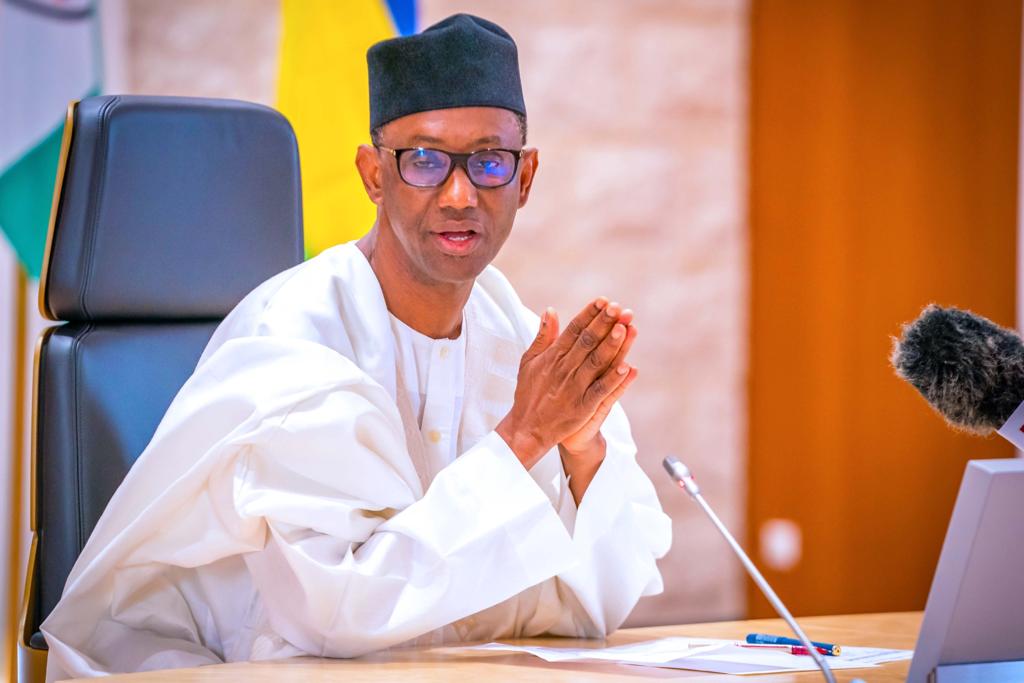
A major achievement was the formation of the AfCFTA Central Coordination Committee. This committee includes over 20 public and private sector stakeholders focused on strengthening implementation. It was inaugurated in March 2025 and is led by Minister Oduwole. This is Nigeria’s AfCFTA strategy meeting point. Now, Customs, NEXIM Bank, NAFDAC, SON, Immigration, MAN, and others meet quarterly.
Practical Achievements
A subsidized air cargo corridor linking Nigeria to East and Southern African markets was created through partnerships with Uganda Airlines and the United Nations Development Programme (UNDP). Freight rates reportedly dropped by 50 to 75 percent, making it easier for exporters to access these markets.
Nigeria also developed market intelligence tools for cosmetics, agro-processed products, and textiles across 13 African markets. The country increased its continental influence by winning the hosting rights for major trade events, including the AfCFTA Digital Forum and the Creative Africa Nexus 2026.
From November 5 to 11, 2027, Nigeria will host the 5th edition of the Intra-African Trade Fair (IATF) in Lagos. IATF, supported by Afreximbank, the African Union, and AfCFTA, is Africa’s leading platform for trade, investment, and large-scale deal-making.
IATF2025, held in Algiers, Algeria, featured 2,190 exhibitors, 132 represented countries, and about $50 billion in trade and investment deals.
Additionally, Nigeria has positioned itself as a regional leader in digital trade, identifying key markets like Egypt, Ghana, Kenya, Rwanda, and South Africa.
The Potential Benefits of AfCFTA for Nigeria
Better market access could lead to increased industrial production, higher exports, and more jobs, especially for young people and women. Sectors like manufacturing, agriculture, technology, and services are expected to benefit the most.
Digital trade, fintech, and creative industries like Nollywood are also seen as areas with high growth potential that could bring in significant export earnings.
Some projections suggest that AfCFTA could lead to GDP growth of around eight percent, while helping with export diversification and improving living standards.
Challenges
Infrastructure problems raise production and logistics costs. Ongoing power shortages, poor road and rail networks, and port congestion hurt competitiveness. Exporters also struggle with customs procedures, non-tariff barriers, and meeting rules-of-origin requirements.
There are worries that lower tariffs might impact government revenues, and some local industries fear being flooded with imports from more competitive African economies.
Wider issues like bureaucracy, policy inconsistency, corruption, lack of awareness, and capacity issues also threaten the implementation process.
Critics say that without quick industrialization, AfCFTA could expose weaknesses in Nigeria’s production capabilities instead of strengthening them.
The Road Ahead
Looking to 2026 and beyond, Nigeria’s priorities include deeper engagement with the private sector, state-by-state export product mapping, finalizing its full services schedule, and expanding both digital and physical trade routes.
Nigeria is also expected to actively participate in ongoing Phase II negotiations covering investment, competition policy, and intellectual property rights. In the end, the success of Nigeria’s AfCFTA strategy will depend not just on policy papers but on effective execution.
Ongoing investment in infrastructure, better access to finance for businesses, workforce training, and stronger partnerships between the public and private sectors will be vital. It is equally important to ensure that women, youth, and small businesses are included in this integration process.
Nigeria is at a key moment. If the implementation matches the ambition, AfCFTA could help transform the economy from oil dependency to a diversified, export-driven economy. The strategy is set; the institutions are forming, and the opportunities are vast. The main challenge now is to deliver.



Comments
No comments yet.