Nigeria’s foreign reserves have now reached $52.52 billion. This amount can cover imports for about 11 months, according to the Central Bank of Nigeria (CBN).
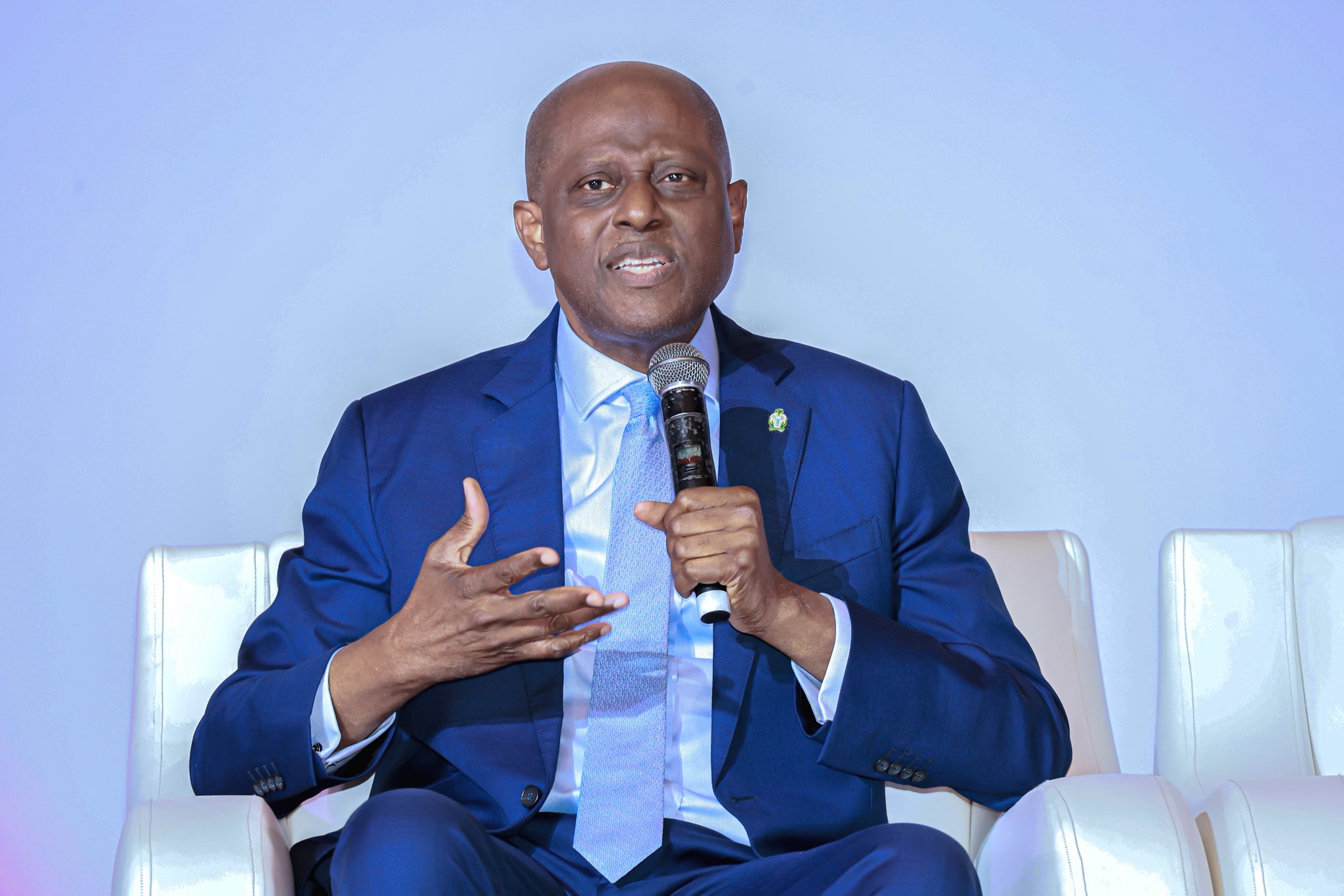
CBN Governor Olayemi Cardoso shared this information after the 306th Monetary Policy Committee (MPC) meeting in Abuja on Tuesday.
During the meeting, the CBN decided to keep the interest rate at 26.5 percent for the second time in 2026. The governor mentioned that this decision was due to the recent fighting in the Middle East.
Mr Cardoso noted that Nigeria’s foreign reserves grew from $50.47 billion at the end of May 2026 to $52.52 billion as of 17 July.
The central bank explained that the increase in reserves mainly came from taxes related to crude oil and other inflows into the economy.
He pointed out that the oil sector’s GDP growth rate dropped to 2.57 percent in the first quarter of 2026, down from 6.79 percent in the last quarter of 2025. This decline was caused by maintenance work on oil facilities. Despite this, he mentioned that recent data showed better economic activities, as the composite Purchasing Managers’ Index (PMI) rose to 50.1 in June 2026 from 49.6 in May 2026.
“Gross external reserves rose to $52.52 billion as of 17 July 2026 from $50.47 billion as of the end of May 2026, mainly as a result of receipts from crude-oil-related taxes and third-party inflows,” Mr Cardoso said.
He emphasized that this reserve level is enough to finance about 11 months of imports, which is well above the international standard of three months.
“This is sufficient to finance approximately 11 months of imports of goods and services, surpassing the international benchmark of three months’ cover,” he added.
The CBN governor mentioned that the increase in reserves helps Nigeria's external position. It also provides extra protection against possible external shocks during uncertain global times.
The central bank noted that Nigeria’s economy has remained strong despite the renewed conflict in the Middle East. This strength is partly due to earlier fiscal and monetary reforms that improved macroeconomic stability.
Mr Cardoso stated that ongoing improvements in crude oil production and continued reforms in key sectors will help boost external reserves and the overall strength of the economy.


Drop your comment
No comments yet — be the first to drop the gist 👇