Nigeria's Security Ties with the US Impact Global Safety
Nigeria's security ties with the US are shifting focus from military presence to intelligence sharing. This change aims to improve global safety and counter terrorism.
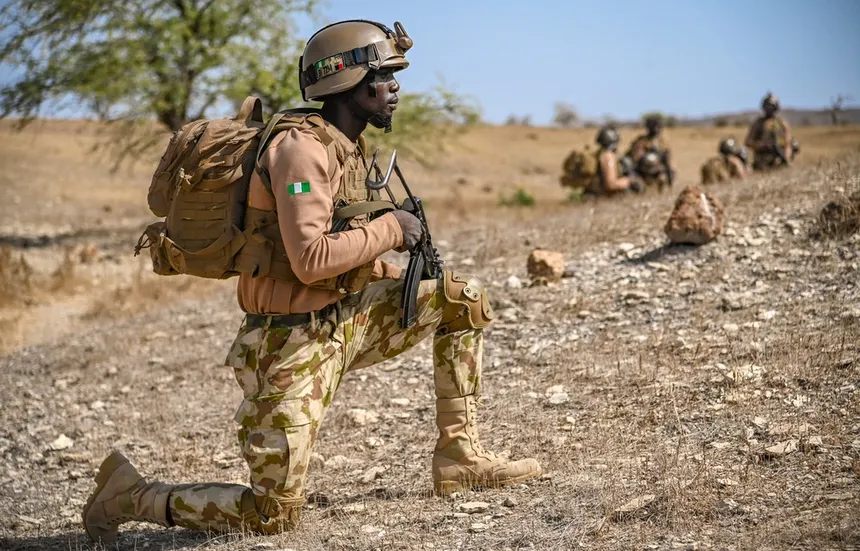
Nigeria's security partnership with the United States is changing. It is no longer just about having troops on the ground. Now, it focuses more on intelligence, information sharing, and connecting globally.
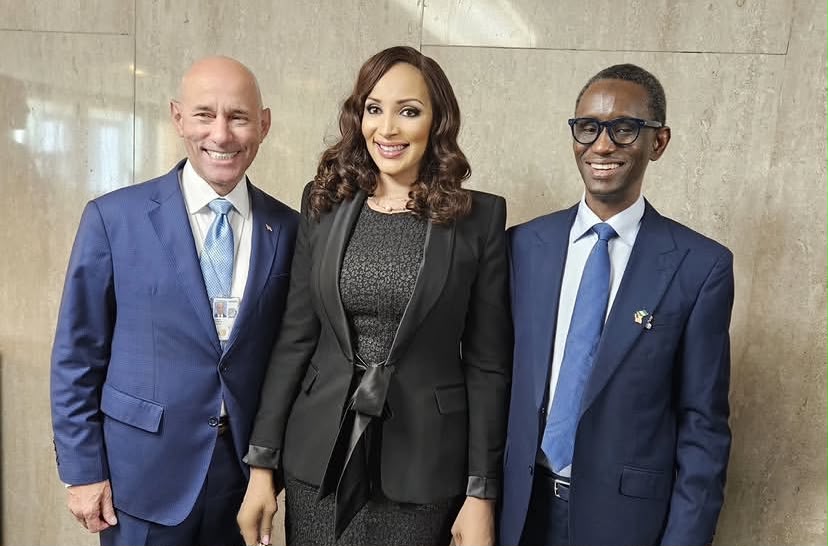
Recent news has talked about the US troops pulling back. But on Thursday, Dagvin Anderson, the Commander of US Africa Command (AFRICOM), shared insights that show a bigger change. Nigeria is becoming a key player in a new approach to fight terrorism and improve security across borders. Mr Anderson spoke to reporters after the African Chiefs of Defence (ACHOD) conference in Luanda, Angola, which took place from June 30 to July 2.
The main idea behind this change is simple. Security results come from how well countries share intelligence, act on information, and manage their environments, not just from sending in troops.
This shift is clear in how West Africa’s sea routes are connected to global enforcement efforts. Mr Anderson noted a recent operation where a large cocaine shipment from South America was intercepted along the West African coast. “I was able to coordinate through our interagency in the United States, through AFRICOM, and then notify some of the partners,” he said. “And eventually it was a Spanish ship that interdicted the ship that had 31 tons of cocaine on it, and it turns out it is the largest interdiction of drugs at sea that we’ve ever seen.”
This was not a one-time success. In September 2025, an AFRICOM-supported operation led to stopping 9.6 tonnes of cocaine off the West African coast on September 22. Together, these events show that the region is becoming key in the fight against drug trafficking.
The message is clear. West Africa, including Nigeria, is not just a side route but a vital part of a security system that links Africa, Europe, Latin America, and the United States. The success comes from sharing intelligence, coordinating actions in real time, and having established partnerships, not just from having foreign troops present.
Nigeria is central to this new model. Mr Anderson pointed out a recent joint operation in the Lake Chad Basin aimed at a senior ISIS member involved in both local violence and the group's global operations. “That operation in the Lake Chad Basin of Nigeria not only helped the countries in that immediate region; it also helps countries globally,” he said, adding that this person was “responsible for much of their global operations, their global media, and their recruiting.”
Unlike previous times when there was a strong US presence, this involvement was more limited. “We have withdrawn much of our forces that were just there for that operation,” Mr Anderson explained. “But we are continuing the partnership that Nigeria has asked for to help continue with the intelligence sharing.”
This method of short-term support, combined with long-term intelligence efforts, shows a change in how security partnerships are formed. Nigeria is not just hosting operations anymore; it is also carrying them out, with impacts that reach beyond its borders.
Another important aspect is what follows these operations. Mr Anderson stated that Nigerian authorities have used the information gained to boost their successes in battle, leading to more insurgents switching sides. “As they have talked about this in the information space and created that information environment, they have allowed, or had more defections or surrenders of ISIS followers in that northeastern area of Nigeria,” he said.
This shows a more connected approach to fighting terrorism. It combines military action with shaping narratives. Losses in leadership are made public, communication routes are disrupted, and the image of insurgents as strong is steadily weakened.
These changes are starting to influence legal processes, as surrenders lead to screening, detention, and prosecution when needed. There are still issues to address, but the link between successful operations and legal action marks an important shift in the system.
Overall, these developments suggest that the biggest change in Nigeria’s security scene is not just the visible reduction of foreign troops. It is the quieter strengthening of systems that allow Nigeria to take action, backed by intelligence and connected to global efforts.
So, the narrative of withdrawal only tells part of the story. The more important truth is that Nigeria is becoming part of a new security framework where influence comes from partnership rather than just presence.




Comments
No comments yet.