Reps Demand Action from Nigerian Govt Over South African Attacks on Citizens
The House of Representatives condemned recent xenophobic attacks on Nigerians in South Africa and urged the government to take action to protect its citizens.
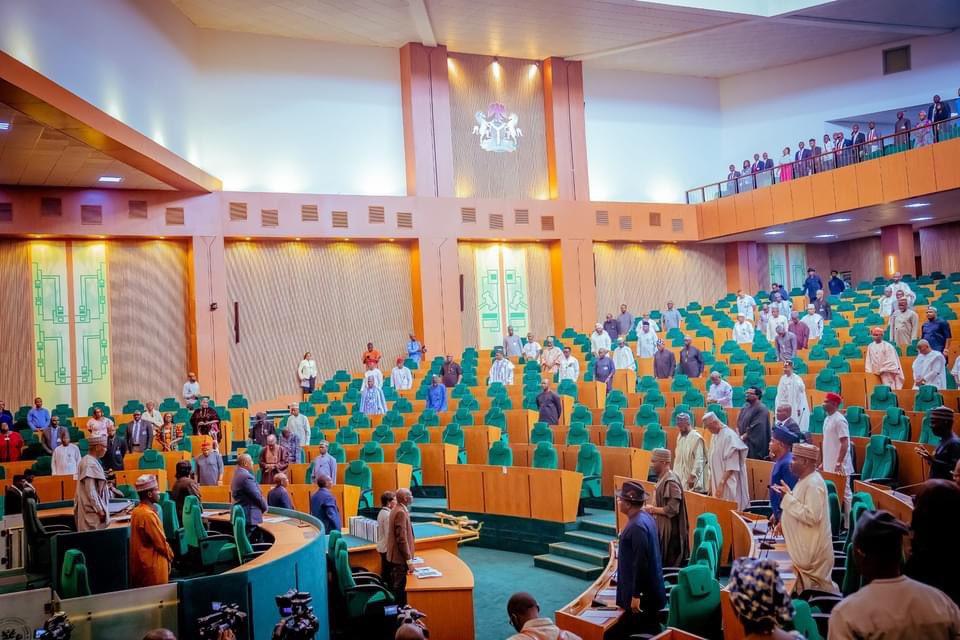
The House of Representatives on Thursday strongly condemned the recent xenophobic attacks on Nigerians and other Africans in South Africa. They urged the federal government to put more pressure on Pretoria while rejecting calls from some lawmakers to cut diplomatic ties with South Africa.
This resolution came after they discussed a motion of urgent public importance sponsored by Yusuf Gagdi (APC, Plateau). He expressed concern about ongoing violence, unlawful arrests, extrajudicial killings, and the persecution of Nigerians living in South Africa.
During the plenary session, Mr Gagdi said these repeated xenophobic attacks had taken innocent lives, destroyed businesses, and forced many Africans to flee their homes. He mentioned that despite years of talks between Nigeria and South Africa, the violence continues.
He highlighted recent reports showing a rise in attacks against Nigerians and other African nationals from Ghana, Zimbabwe, Zambia, Mozambique, and Malawi living in South Africa.
Mr Gagdi noted that the Nigerian government had confirmed the deaths of two Nigerians. One died while in police custody, and the other was allegedly killed outside his business.
He pointed out that these incidents show Nigerians are still at risk, even with the South African government's promises to protect foreigners. He reminded lawmakers that Nigeria helped South Africa during its fight against apartheid by providing support and aid.
He said, "It is therefore profoundly disturbing that Nigerians and other Africans are now facing persecution, humiliation and violent attacks in the very country whose freedom Nigeria helped to secure."
Mr Gagdi warned that the attacks have become systematic and deadly. He said that not holding those responsible accountable has led to a culture of impunity. He criticized remarks made by a South African minister, saying they could increase tensions and hostility against Nigerians and other Africans.
He stressed that the attacks go against the principles of African unity and the ideals of the African Union. He cited Section 19 of the 1999 Constitution, which promotes African integration and international cooperation, and international human rights laws that guarantee rights to life, dignity, and equality.
Mr Gagdi warned that continued violence could hurt diplomatic relations, weaken regional bodies, and lower trust in African countries' commitment to protecting human rights.
After the motion, lawmakers from different parties called for stronger actions against South Africa. Co-sponsor of the motion, Billy Osawaru (APC, Edo), reminded everyone that the House had passed a similar motion on May 5. This led to the return of many Nigerians from South Africa.
He said around 856 of nearly 1,000 Nigerians who registered for evacuation had come back home. While he praised the government's efforts, he said the recent killings showed that South Africa’s security forces were failing to protect foreign nationals.
He added, "We have engaged diplomatically, but it looks like Nigeria is being undermined. This is no longer a time for endless discussions. Other African countries are already taking decisive steps. Nigeria must also act."
He suggested that Nigeria should stop political, diplomatic, and parliamentary engagements with South Africa, including trade and investment, until real action is taken to stop the attacks. However, this proposal did not have the House's support.
Deputy Speaker Benjamin Kalu, who led the discussion, advised against making such a significant decision without investigating fully. He said, "We cannot suspend diplomatic relations now until we carry out our investigation and establish the facts."
When the proposal was put to a vote, most lawmakers rejected it. Ghali Tijani (APC, Kano) also called for Nigeria to cut diplomatic ties with South Africa until justice is served for Nigerian victims.
He described the attacks as a recurring tragedy that needs stronger diplomatic action, not just statements of condemnation. Jesse Onuakalusi (NDC, Lagos) also urged the government to seek legal action under international law for Nigerians killed in South Africa.
He suggested Nigeria consider recalling its ambassador and reviewing business relations with South Africa, as Nigerian companies are suffering while South African businesses profit. Kayode Akiolu (APC, Lagos) criticized South Africa for not appreciating Nigeria's contributions to ending apartheid.
He reminded everyone that Nigerians supported the anti-apartheid struggle financially. Instead of cutting ties, he suggested inviting South African diplomats in Nigeria to explain what they are doing to protect Nigerians.
Etanabene Benedict from Delta State also advised caution. He recommended that the government rely on diplomacy and international law instead of rushing into retaliatory actions.
He said recalling Nigeria’s ambassador and summoning South Africa’s envoy in Abuja would send a strong diplomatic message while keeping communication open.
After the debate, the House unanimously condemned the ongoing xenophobic attacks, extrajudicial killings, unlawful detentions, and persecution of Nigerians and other Africans in South Africa. They also called on the federal government to summon South Africa’s High Commissioner to explain the recent killings and clarify how they are protecting foreign nationals.
The House demanded an independent and transparent investigation into the killings to ensure those responsible are brought to justice. They also urged Nigeria to work with the African Union, the Southern African Development Community (SADC), the United Nations, and the African Commission on Human and Peoples’ Rights to improve protections for Africans in South Africa.
They called for better consular services, legal support, emergency evacuation plans, and reintegration programs for affected Nigerians. The House also resolved that victims should be compensated to help them rebuild their lives upon returning to Nigeria.
At the end of the debate, Mr Kalu referred the issue to the House Committee on Foreign Affairs for further action.
Recent xenophobic attacks in South Africa involve violent anti-migrant protests, leading to deaths of foreign nationals and increased diplomatic tensions. Protests have escalated in cities like Johannesburg, Pretoria, and Durban.
While organizers say the protests target illegal immigrants, reports show that legally resident Africans, including Nigerians, Ghanaians, Zimbabweans, Malawians, and Mozambicans, have also been attacked. Foreign-owned businesses have been looted, and many people have fled their homes.
Nigeria’s Ministry of Foreign Affairs recently confirmed the deaths of two Nigerians: Emeka Iroegbu, who died in police custody in Pretoria, and Musa Joe, who was killed outside his business in eMalahleni.
Comments
No comments yet.