Senate passes new law to control cryptocurrency and protect investors
The Senate has approved a bill to regulate cryptocurrency and safeguard investors. This new law aims to create a clear framework for virtual assets in Nigeria.
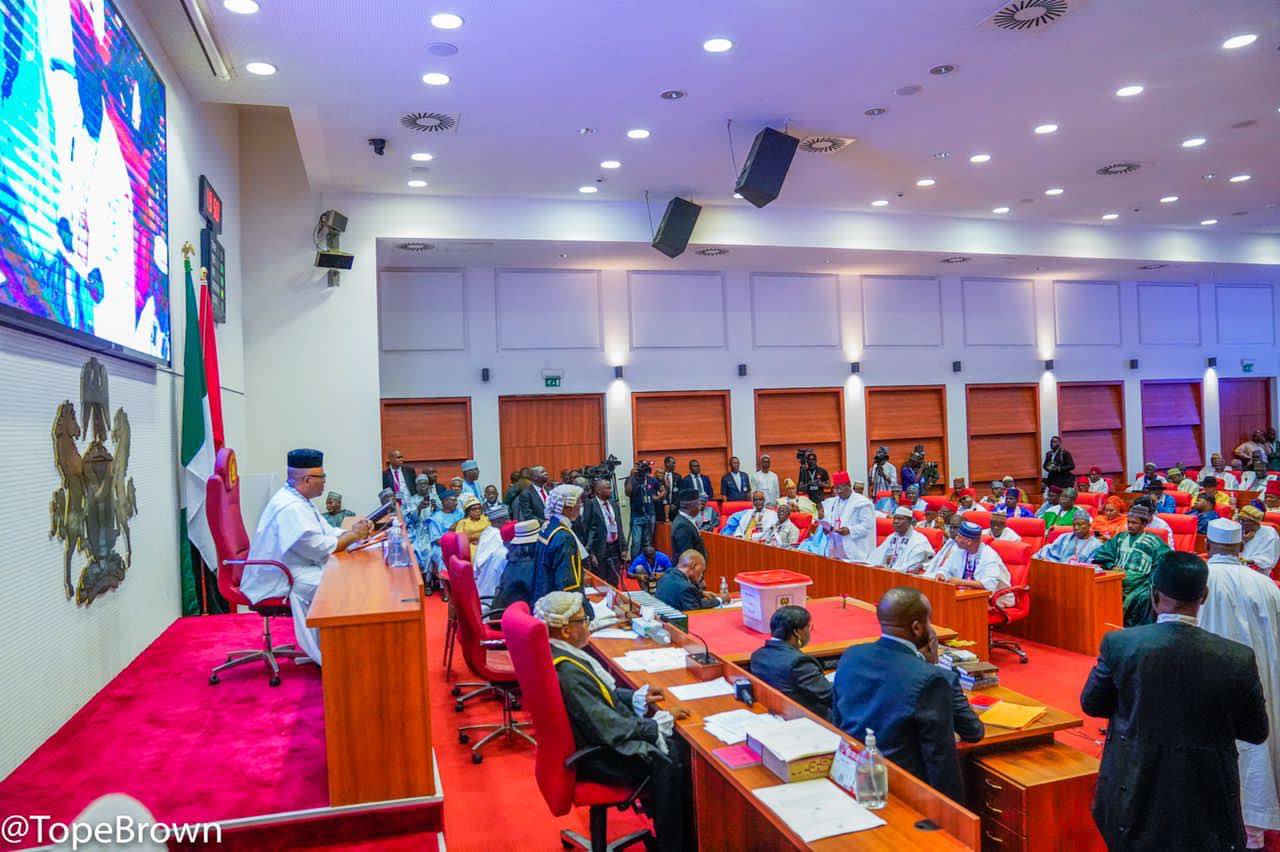
A new law aimed at controlling cryptocurrency and protecting investors has passed its second reading in the Senate.
The Deputy Senate President, Barau Jibrin, who led the session, announced the bill's passage during Tuesday’s meeting after most senators voted in favor through a voice vote.
After the bill passed, it was sent to the Senate Committee on Capital Market for more discussions, including a public hearing.
The committee has been asked to report back in four weeks.
This bill, sponsored by Mr Jibrin and presented by Tahir Monguno, aims to set up a clear regulatory system for virtual assets, digital assets, and Virtual Asset Service Providers (VASPs).
It also suggests mandatory licensing, transparency, and compliance rules for cryptocurrency exchanges in Nigeria.
Mr Monguno, who is also the Senate chief whip, pointed out during the debate that Nigeria has fallen behind other African countries in regulating digital finance, even though it has one of the highest rates of cryptocurrency use in Africa.
He argued that without a clear legal framework, investors face risks and illegal activities can easily thrive in this space.
“This bill speaks directly to the realities of our time, a time when technology is reshaping the global financial system and redefining how people earn, trade, save, and invest.
“Today, millions of young Nigerians are already participating in this digital economy, trading, building fintech platforms, and innovating through blockchain technologies. Our country ranks among the top users of virtual assets globally,” he said.
Over the years, many Nigerians have turned to digital assets like Bitcoin and other cryptocurrencies for saving, cross-border transactions, and investments.
But the quick growth of this sector has happened without a solid legal and regulatory framework. This gap has left many investors open to fraud, market manipulation, cybercrime, and the downfall of unregistered digital investment platforms.
In recent times, thousands of Nigerians have reportedly lost large amounts of money to cryptocurrency scams, Ponzi schemes, and fake exchanges operating without proper oversight.
The lack of regulation has also raised alarms among lawmakers and financial regulators about money laundering, terrorism financing, and other illegal financial activities that could happen through anonymous digital transactions.
Most senators who spoke during the debate backed the bill’s second reading.
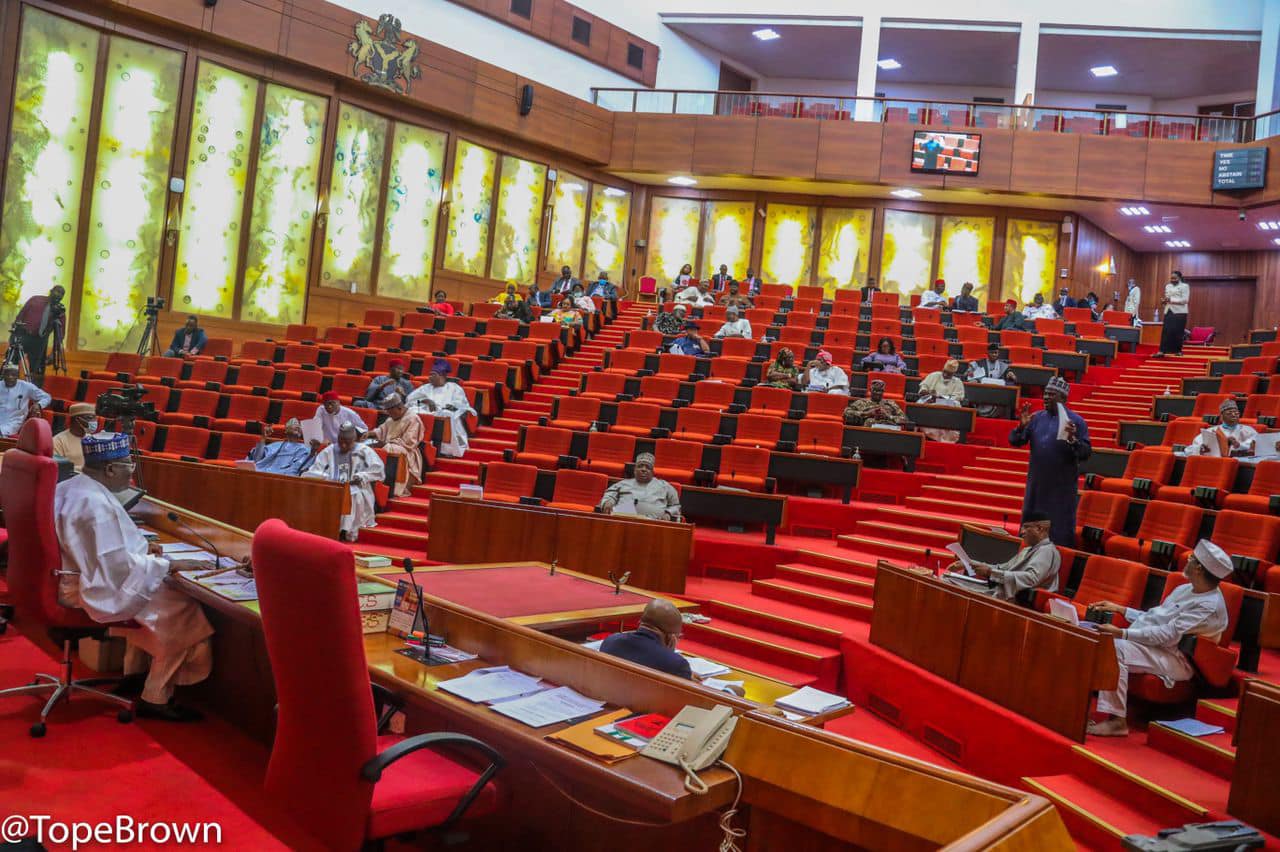

Kwara South Senator, Oyelola Ashiru, wondered why Nigeria had been slow to adopt virtual assets while other countries advanced their digital economies.
“I wonder why Nigeria is always lagging behind in taking very necessary initiatives. Countries like Kenya, South Africa, and Ghana have already covered a lot of mileage.
“We should strive to match our brothers in Africa and across the world and, with the speed of light, proceed with the second reading of this bill,” he stated.
Lagos East Senator, Adetokunbo Abiru, also supported the bill but urged lawmakers to make sure it fits with existing financial laws.
“There is no doubt that the times we live in call for a bill of this nature because we live in an era of technology,” he said.
But Mr Abiru noted that the Senate had recently passed laws regarding investment securities and virtual assets, while other fintech-related laws are still being reviewed.
“What I would like to suggest is that, as important as this is, we should marry these together so that we have a clear view of how the industry should be regulated,” the lawmaker stated.
Ogun Central Senator, Shuaib Salisu, mentioned that many of Africa’s top fintech companies started in Nigeria. He warned that not regulating virtual assets could lead to crime and hurt economic growth.
“If you do not provide a regulatory framework for this sector, it will go under the table in a black market environment. Once there is no transparency and activities become opaque, it allows criminal activity to take place,” he warned.
Edo North Senator, Adams Oshiomhole, said the reasons for supporting the bill were strong and clear.
If the National Assembly passes the bill and President Bola Tinubu signs it into law, this legislation could change how Nigeria handles digital assets.
By setting licensing rules for cryptocurrency exchanges and Virtual Asset Service Providers, the law aims to improve transparency, strengthen investor protection, and enhance oversight of the sector.
A clear legal framework would boost investor confidence, attract local and foreign investments into Nigeria’s digital economy, and encourage innovation in blockchain and financial technology. Supporters believe formal regulation could also help government agencies monitor transactions better, reduce illegal activities, and increase tax revenue from the growing digital asset market.




Comments
No comments yet.