Shell names new Nigerian leader as it plans more investments
Shell has appointed Elohor Aiboni as its new Executive Vice President and Country Chair for Nigeria. This marks a significant leadership change as the company plans more investments.
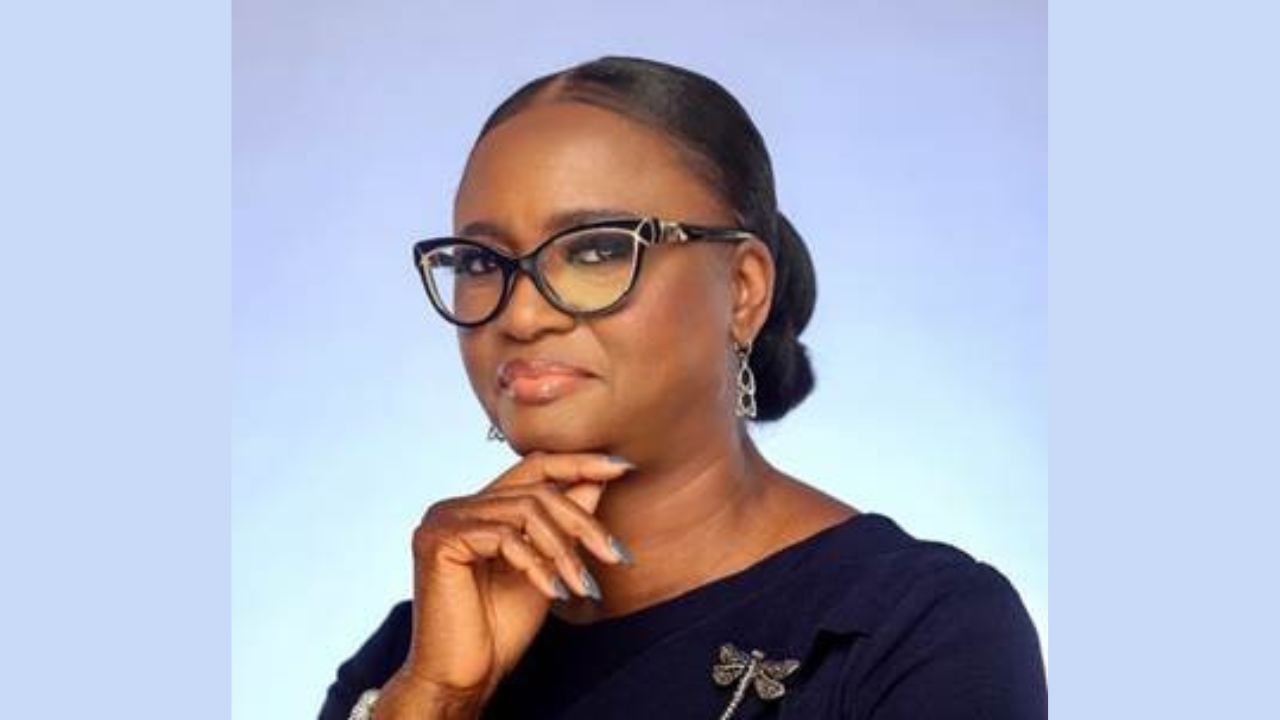
British oil giant Shell Plc has named Elohor Aiboni as its new Executive Vice President and Country Chair for Nigeria. This follows the exit of Marno de Jong, who led the company’s operations in Nigeria for over six years.
On Thursday, Shell shared the news on its official X account. They mentioned that Mr de Jong would be stepping down after a period of strong performance and significant investment decisions in Nigeria.
“Shell appoints Elohor Aiboni Executive Vice President and Country Chair Nigeria, as Marno de Jong bows out after more than six years at the helm of Shell in Nigeria,” the company said.
Shell noted that under Mr de Jong’s leadership, Nigeria’s Bonga deepwater asset performed well and consistently met availability targets. They also credited him with pushing forward key investment projects, like the HI offshore gas project and the Bonga North development.
A Historic Appointment
Shell stated that Mrs Aiboni is the first Nigerian to hold the combined role of Executive Vice President and Country Chair for Nigeria. She has over 24 years of experience with the company, working in Nigeria’s offshore, shallow-water, and onshore sectors, along with international roles in Kazakhstan and Brunei.In 2021, Mrs Aiboni became the Managing Director of Shell Nigeria Exploration and Production Company (SNEPCo), the first woman to take on this role. Under her leadership, the Bonga field celebrated a key milestone, producing its one-billionth barrel of oil in 2023.
She later took on a new role in Brunei in 2024, where she managed asset performance, production, and project delivery.
“The new appointment takes effect 1 August 2026,” Shell stated.
Shell’s Renewed Focus on Nigeria
Mrs Aiboni’s appointment comes about six months after Shell expressed plans to increase its investments in Nigeria. The company cited improvements in policy consistency, political stability, and government leadership.During a visit to President Bola Tinubu in January, Shell’s CEO, Wael Sawan, shared that the company was more optimistic about opportunities in Nigeria’s energy sector.
“We are very keen to invest in Nigeria. But I would say this has not always been the case,” Mr Sawan said at that time.
Challenges of Operations and Environmental Issues
For over thirty years, Shell has been a major player in Nigeria’s oil and gas sector, mainly through the Shell Petroleum Development Company of Nigeria Limited (SPDC).While Shell’s operations have brought in significant revenue for the Nigerian government, especially in the Niger Delta, they have also caused environmental damage, community complaints, and long legal battles.
Shell has faced multiple lawsuits in courts in the UK and the Netherlands over oil pollution in the Niger Delta. In 2021, a Dutch court ordered the company to compensate Nigerian farmers for environmental harm linked to oil spills.
A PREMIUM TIMES investigation last year found many oil-producing communities, including those in Ogoniland, are still dealing with severe hydrocarbon pollution. Residents reported that repeated oil spills have polluted farmlands and waterways, hurting farming and fishing.
Another PREMIUM TIMES investigation released this week highlighted how ongoing toxic gas leaks from an oil field in Bille, Rivers State, threaten lives and livelihoods in nearby communities.
This field was developed by Shell before being taken over by Eroton Exploration and Production Company in 2014.
Recent reports from the BBC also suggested that Shell continued operations at the Bille oil field and the Nembe Creek Trunk Line despite concerns about environmental dangers and old infrastructure.
These findings came to light during legal actions by Niger Delta communities seeking accountability for pollution linked to over 100 oil spills reported between 2011 and 2013.


Comments
No comments yet.