The Need for Therapy for Released Kidnapped Students and Teachers
The return of kidnapped students and teachers is a relief, but they need therapy to address the emotional scars from their ordeal. Support is essential for their recovery.
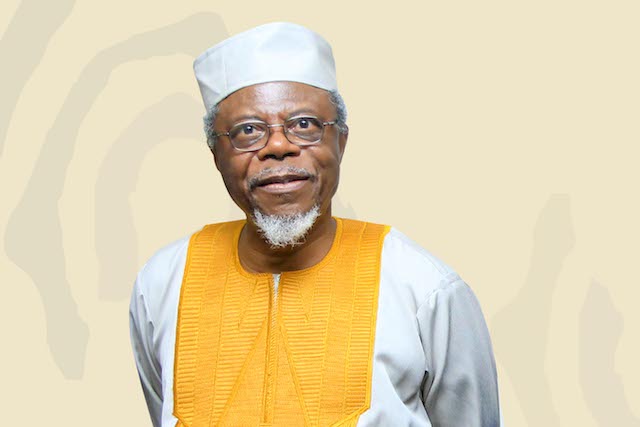

Freed Oyo pupils and their teacher
It is a relief that the kidnapped students and teachers from Oriire community have finally returned home. But their freedom does not mean everything is okay. Many who escape from kidnappers carry heavy emotional scars from fear, humiliation, violence, and helplessness. They need immediate and ongoing therapy when they get back home.
We are grateful that the students and teachers are back. The emotional pain many of us felt, especially after the cruel killing of a teacher, is hard to describe. Many of us overlook the need to understand trauma and its effects.
What is urgent now is therapy. The kidnapped students and teachers from the Oriire community must get long-term support right after they are freed. Surviving does not just mean leaving captivity; it starts a mental struggle. After trauma, survivors may feel scared, anxious, depressed, ashamed, jumpy, or have nightmares. They may find it hard to trust others or feel emotionally shut down. They can also have trouble focusing. Children might act out by being overly quiet, aggressive, clingy, or scared of going back to school. Teachers may feel guilty for not protecting their students and may experience severe stress. Without professional help, their trauma can affect their ability to teach and their overall lives.
Surviving kidnapping is very traumatic. Victims can have nightmares, panic attacks, and feel depressed or anxious. They may feel emotionally numb or constantly afraid. Insomnia, poor appetite, and flashbacks of the event are common. Some may talk about their experiences repeatedly. Others might avoid situations that remind them of the kidnapping. If the freed students and teachers show these symptoms, they could have post-traumatic stress disorder. They should not be seen as weak. Support from family and faith can help, but it should not replace proper mental health care.
Special care must be given to the students. Kids and teens may not know how to express what they are feeling. They may suffer silently or become aggressive. Some might wet the bed or become overly dependent. Poor school performance and fear of strangers can become common. Some might refuse to go back to school. Their behavior can change a lot. If they are just thrown back into the classroom without proper support, their trauma can get worse. Their path to recovery must be slow and guided by trained professionals like psychologists and social workers.
Oriire may also need community therapy. Kidnapping not only harms victims but also affects their families, friends, and neighbors, who live in fear. Community gatherings, memorials, mental health education, and spaces for group reflection can help strengthen the community.

Released teachers also need special support. They might feel guilty for not keeping their students safe and fear going back to work. They may worry about another attack or be uncertain about their jobs. As caregivers, they might find it hard to ask for help or show their feelings, thinking they must be strong for others. Confidential counseling and peer support can help them process their experiences without feeling ashamed.
Health workers should conduct urgent checks for any injuries or health issues. Survivors will need one-on-one counseling, group sessions, and long-term mental health support. Families also need guidance on how to support survivors without forcing them to talk or blaming them for what happened.
The government should team up with school leaders, community heads, religious groups, health agencies, and civil society to create a solid rehabilitation plan. Survivors' privacy and dignity must be respected. Their names and stories should not be used for political gain or sensational news.
Oriire may also need community therapy. Kidnapping affects not just victims but also their families, friends, and neighbors who are left in fear. Community meetings, memorials, mental health education, and group reflection can help build strength in the community.
Until the psychological needs of students and teachers are met, their freedom will not feel complete. Therapy should not be seen as a luxury or a weakness. It is a necessary part of recovery. The government and security forces have more work to do until survivors are healthy, emotionally stable, safely back in their communities, and able to live their lives without fear.





Comments
No comments yet.