Tinubu Calls for Professionalism in Nigerian Media
At the first State House Media Dinner, President Tinubu urged the media to prioritize professionalism over sensationalism and hostility.
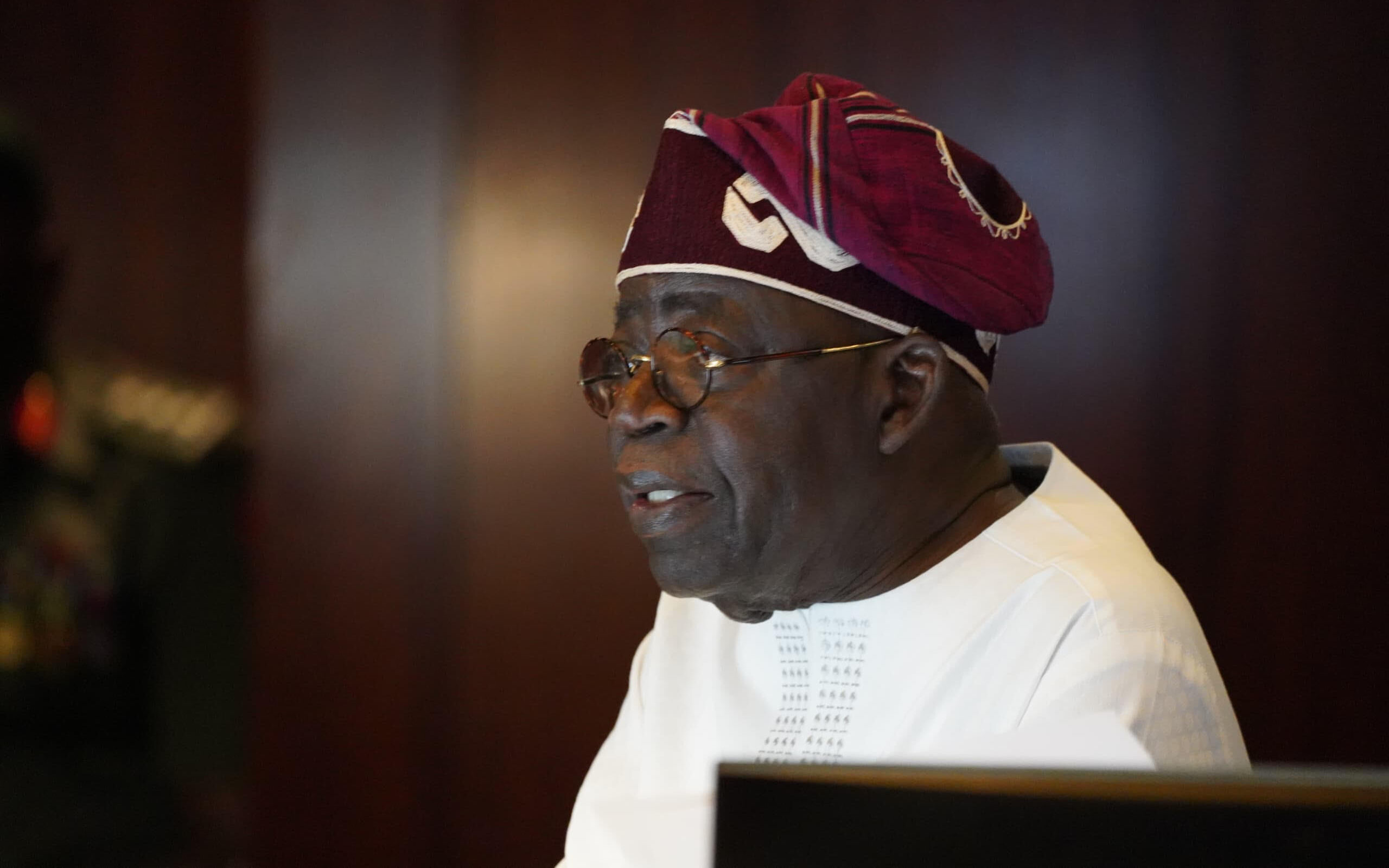
President Bola Tinubu on Thursday urged the Nigerian media to “replace needless hostility with constructive engagement” and “replace sensationalism with professionalism.” The President spoke at the first State House Media Dinner.
See the full text of his speech below.
REMARKS BY PRESIDENT BOLA AHMED TINUBU, GCFR, AT THE MAIDEN STATE HOUSE MEDIA DINNER (SHMD), STATE HOUSE, ABUJA, on Thursday, 2 July 2026
PROTOCOLS
Good evening, ladies and gentlemen.
I am happy to join you today for the first State House Media Corp Presidential Dinner.
First, I apologise on behalf of the media department for not holding a meeting like this sooner. The busy pace of work and constant schedule changes due to various challenges have been to blame for this.
I appreciate all of you for your hard work in covering the State House. Thank you for your commitment to keeping Nigerians informed about my government’s activities.
Let me assure you that my administration is dedicated to ensuring you have the access, resources, and freedom to do your jobs as outlined by the constitution.
Democracy relies on freedoms: freedom of speech, freedom of the press, freedom of association, and others. I am a strong supporter of a free press. I have always defended and advocated for media rights throughout my public life, and I will continue to do so. While press freedom and free speech are vital for a democratic society, journalists and citizens must balance their rights with responsibilities. You have a duty to report with care and accuracy to ensure society is not harmed.
Democracy cannot thrive without a free press. The fourth estate must be free and not controlled. But with great power comes accountability and responsibility. Journalists must hold the ethics of their profession in high regard.
The rise of misinformation, fake news, and deep fakes is alarming. These issues are part of the social media age. Media practitioners should not spread false or unverified information that could harm national security.
I hope this gathering becomes a cherished tradition. It should celebrate the important relationship between government and media and the critical roles both play in supporting our democracy.
Tonight, we gather in one room pretending to be friends when, in truth, we are often adversaries. Before tomorrow’s headlines say the President has declared war on the media, let me clarify.
We are adversaries in a democratic sense, as the media often questions those in power. In building a nation, we are partners.
The government exists to serve the people through leadership, policy, and public service. The media exists to serve society by monitoring those in power, asking tough questions, and ensuring accountability.
Nigerians have assigned us these roles. The government must act. The media must watch. The government must explain. The media must question. This setup creates tension. It keeps us on our toes, not because we dislike each other, but because democracy demands it.
This partnership and rivalry will continue as long as governments exist.
But tonight, the media will face some criticism. For the record, I am both a supporter and a lover of the Nigerian press. My relationship with the media began over thirty years ago and remains strong. The only change is that now I find myself in the headlines.
Sometimes I wonder whether the media likes or dislikes me. One day, I saw a headline that said: “Tinubu Scores Big As Nigeria’s Economy Expands.” The next day, another headline read: “Nigeria’s Economy Falters As Tinubu Loses Grip.”
Both stories could come from the same media environment. A lot can happen between those two headlines. The question is: did the media do its homework? Did it give citizens the context, analysis, and insight to understand what changed? Or are we moving towards the old newsroom saying: “If it bleeds, it leads”?
After more than thirty years in public life, I have learned not to underestimate politics, or the skills of those who report on it. Over the years, I have become one of the most examined politicians in Nigeria’s democracy.
Then came the election season when every rumour turned into a prediction, every prediction became a certainty, and every certainty became breaking news. The opposition sought every chance to challenge my candidacy and question my record. That is politics. I do not argue with that.
What surprised me was how quickly speculation could become accepted truth, how allegations became headlines, and how often conclusions were drawn long before the facts.
But democracy always finds a way to be heard.
The Nigerian people listened. They assessed. They separated fact from fiction. In the end, they made their choice. That experience strengthened my belief that while democracy needs a free press, it also needs a responsible press.
We live in a time when misinformation spreads faster than facts. The media must choose truth over lies. The media must choose substance over sensation. The media must choose credibility over clickbait and the race for followers and likes.
The public relies on journalists not just to report events but to distinguish fact from fiction, truth from speculation, and evidence from opinion. In a world where everyone with a smartphone is a journalist, the duty of professional journalism is more important than ever.
Professional journalism must remain the standard for telling truth from rumour and facts from fiction. Let me clarify that freedom of expression is not freedom to defame. Freedom of the press does not mean misleading people.
Rights come with responsibilities. Public trust is built through fairness, professionalism, accuracy, and integrity. The media landscape is no longer unregulated. Nigeria has laws like the Cybercrimes Act to protect citizens from falsehoods and other abuses that come with the digital age.
These laws do not aim to weaken press freedom. Instead, they protect citizens and maintain the integrity of our information ecosystem.
Tonight is not about pointing fingers.
Tonight is about celebrating the media and its essential role in our national life. My administration is fully committed to the constitutional guarantees of freedom of expression and press freedom in Sections 22 and 39 of the Constitution of the Federal Republic of Nigeria.
Section 39 guarantees every Nigerian the right to free speech and to operate media institutions. Section 22 tasks the media with the noble duty of holding the government accountable to the people. Together, these provisions form a solid foundation for our democracy.
Also important is the Freedom of Information Act, which promotes transparency and citizen access to information. We remain committed to these principles.
Distinguished ladies and gentlemen,
Nigeria is going through one of its most ambitious reform periods. The tough but necessary reforms by this administration are showing results. Our economy is stabilising. Public revenues have strengthened significantly. State governments are getting much higher allocations for development. Investor confidence is coming back.
Our foreign reserves have improved greatly. The oil and gas sector is drawing renewed investment. The stock market has seen impressive growth. Key economic indicators are moving in the right direction. Through tax reforms, fiscal changes, infrastructure investment, and better business conditions, we are laying the groundwork for a more competitive and prosperous economy.
The journey is not over. Challenges remain. But the path is clear, and the foundations for growth are being built. Regarding security, our administration has taken a strong, multi-faceted approach.
Military operations have intensified in many areas. Intelligence gathering has improved. Cooperation among agencies has strengthened. Regional and international partnerships have grown.
As a result, many criminals and terrorists have been dealt with. Numerous hostages have been freed. Communities once under threat have been reclaimed.
Security agencies continue to show bravery and professionalism in fighting terrorism, banditry, kidnapping, oil theft, and other crimes.
While Nigeria still faces security issues, we have steadily moved from just reacting to threats to actively degrading them. We are committed to securing every part of our country and ensuring every Nigerian can live, work, and thrive in peace.
Ladies and gentlemen,
The media is one of the most important parts of any democratic society. Beyond their traditional role as watchdogs, the media are vital partners in national development. They inform citizens, shape public discussion, encourage civic participation, strengthen national unity, and contribute to social progress.
As we look ahead, let us continue to strengthen the bond between government and the media, not by avoiding scrutiny, but by deepening mutual respect, professionalism, and responsibility. Let us work together to build a nation where truth matters, accountability thrives, democracy flourishes, and every Nigerian believes in our country’s promise.
I thank you for your hard work, service, and contributions to our democracy.
May God bless the Federal Republic of Nigeria.
Thank you and enjoy the evening.
Comments
No comments yet.