Tinubu’s Fuel Subsidy Removal and FX Changes Aims to Boost Nigeria’s Economy - Zacch Adedeji
Zacch Adedeji backs Tinubu's reforms, stating that removing the fuel subsidy and merging the FX market will stabilize Nigeria's economy and boost revenue.
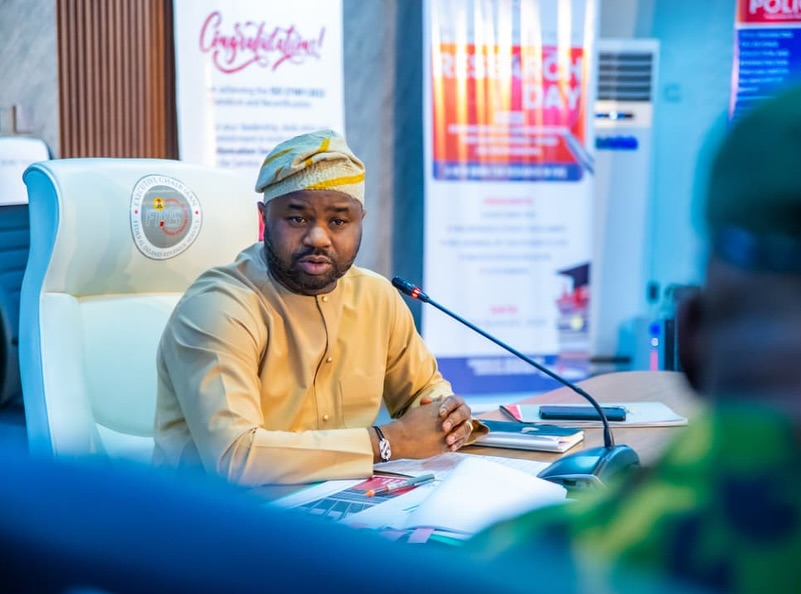
The Executive Chairman of the Nigeria Revenue Service, Zacch Adedeji, has backed President Bola Tinubu’s economic reforms. He believes the government should be praised, not criticized, for removing the fuel subsidy and merging the foreign exchange market.
Mr Adedeji shared his thoughts during an interview on Channels Television’s Sunday Politics. He explained that these reforms were needed because the Tinubu administration took over an economy weighed down by a costly fuel subsidy, a confusing foreign exchange market, a struggling oil sector, and a limited tax base.
He noted that the subsidy removal and the foreign exchange market unification were part of broader efforts to stabilize the economy. He pointed to various signs that, in his view, showed that the reforms were starting to change Nigeria's economic landscape.
Mr Adedeji mentioned the increase in domestic refining capacity. He said it grew from about 30,000 barrels per day before the reforms to around 700,000 barrels per day now. He also indicated that government revenue had jumped significantly, from about N12 trillion to N40 trillion, crediting the rise to better revenue collection and wider economic reforms.
The NRS chairman emphasized that the government’s goal is not to burden Nigerians but to create a space for businesses to thrive and bring more wealth. "We are taxing prosperity, not poverty," he stated. He added that the government would ultimately gather more revenue when businesses are more successful.
Mr Adedeji defended the government’s tax reforms, saying they aim to expand the tax base and improve the business climate instead of just squeezing more money from poor Nigerians. He noted that around 90 percent of Value Added Tax (VAT) revenue goes to the states, arguing that this has bolstered the finances of local governments.
He pointed out that the government has also worked on issues limiting economic growth, such as electricity supply, education, infrastructure, and access to credit. He mentioned the Electricity Act as one reform meant to change how the power sector works by allowing more state involvement and encouraging investment.
He said reliable electricity is key to industrial growth and reducing business costs. Mr Adedeji also defended the government’s spending on infrastructure despite worries about how fast the budget is being used. He explained that budgeting and funding are different, stressing that the government must carefully allocate resources to projects that will benefit the economy over time.
He highlighted major infrastructure projects needing substantial funding, like the Lagos-Calabar Coastal Highway and the Sokoto-Badagry Expressway. He linked infrastructure spending to job creation, saying projects like the coastal road and airport upgrades would generate jobs and boost economic activity.

The NRS chairman said the government also supports agriculture through bodies like the Bank of Agriculture and the Bank of Industry to promote mechanized farming and increase output. Mr Adedeji recognized that Nigerians have faced hardships since the reforms began, but he argued that the government is focused on solidifying the gains already made.
He stated that the administration’s main goal is to keep economic stability while making sure the benefits of the reforms gradually lead to better living conditions for families. He rejected the idea that rising government revenue means the administration is taking more from poor Nigerians.
Instead, he said, the government’s plan is to expand economic activities and collect more revenue from increased wealth. Mr Adedeji addressed concerns over government spending, saying that it also circulates through the private sector.
He used spending on facilities like conference centers as an example, arguing that government expenditure can create revenue for private businesses and generate jobs. On youth unemployment, he said the administration is backing technical and vocational education while urging businesses to help create job opportunities.
He emphasized that education is essential for reducing poverty and improving the economic future for young Nigerians. Mr Adedeji also pointed to government credit programs as part of efforts to promote economic inclusion by financing small businesses and individuals.
He said ongoing support for such programs would help more Nigerians engage in economic activities. The NRS chairman noted that the government’s recent reforms, including new tax laws, will take time to show their full effects.
He encouraged Nigerians to support the consolidation phase of the reforms, stating that the government is focused on enhancing energy security, education, infrastructure, and the overall economic environment. He reiterated that the ultimate aim of the reforms is to build an economy that can create wealth without depending on unsustainable government help.



Comments
No comments yet.