UN Should Not Be Ignored: Governor Makinde's Call Sparks Controversy
Governor Seyi Makinde urges the UN to investigate the kidnapping of 39 pupils and 6 teachers in Oyo State, facing backlash from the Tinubu administration.
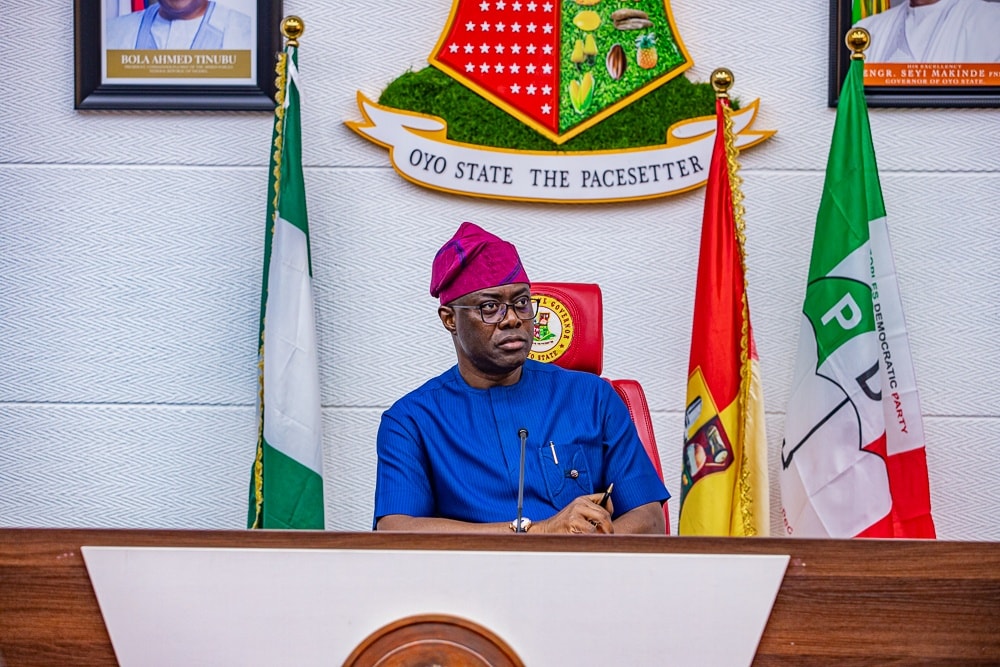
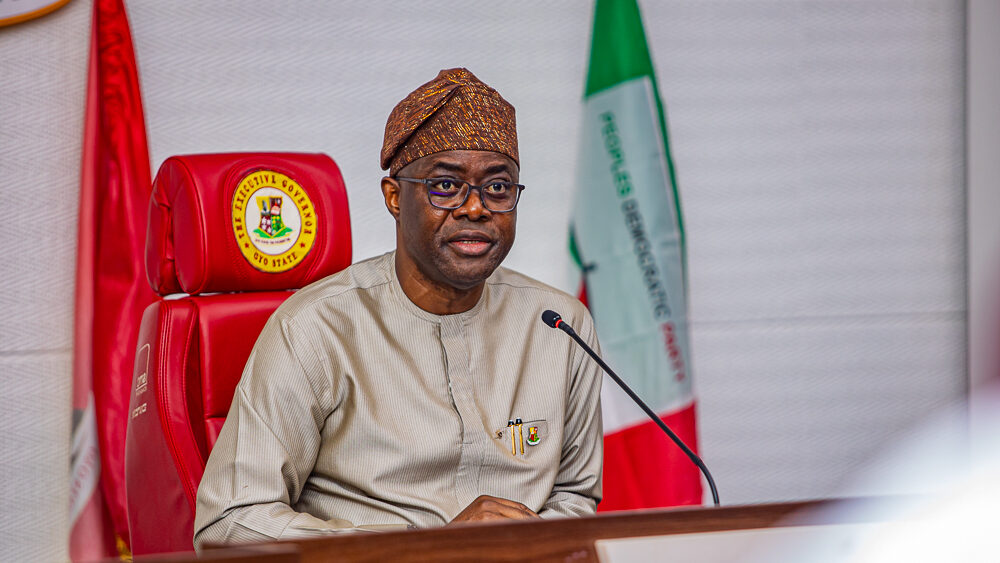
I do not agree with Oyo State Governor Seyi Makinde's suggestion that international groups like the United Nations (UN) should look into the 56-day kidnapping of 39 pupils and six teachers in Oyo State.
When he welcomed the freed victims, he urged international human rights bodies, including the UN, to closely investigate the facts of this abduction and how it ended.
He said, “Such scrutiny is not intended to undermine our institution. Rather, it is intended to reinforce public confidence that the truth will be established and that every person found to bear responsibility, regardless of office, influence or affiliation, will be held accountable.” He added, “This is not about politics. It is about justice for the victims, reassurance for our people, and restoring public confidence that every Nigerian child can go to school without fear.”
But the Tinubu administration was angry, calling the governor's request “absolutely unnecessary.” Its spokesperson, Mr. Bayo Onanuga, said, “It is just unfortunate that Mr. Makinde, maybe because of politics, because he is a presidential candidate now, doesn’t have any trust in our own institutions and is now calling on an external body to come and investigate.”
Even the usually quiet Senate spoke out to warn Makinde against this request.
Makinde has the right to seek UN help in a case involving children who are just four years old, threats to life, murder, and serious human rights abuses. The Presidency can also disagree with him.
What I find troubling are the comments from Nigeria’s Permanent Representative to the UN, Ambassador Jimoh Ibrahim. He claims to know but seems not to understand the UN Charter, its resolutions, and its practices.
Jimoh stated confidently, “The United Nations does not interfere in the internal affairs of its member states. It is not an institution established to investigate domestic security incidents. Security within a country’s territory remains the primary responsibility of the government at all levels.”
He is mistaken. The UN can interfere in the internal affairs of its member states when necessary. It also investigates domestic security issues, as it has done in Nigeria regarding terrorism and banditry. In June 2026, the UN Special Rapporteur on Freedom of Religion or Belief, Nazila Ghanea, spent eleven days investigating in Nigeria.
While internal security is mainly a domestic concern, the UN intervenes in severe human rights violations and to protect civilian populations.
If the UN sees that the Nigerian government repeatedly fails to protect its people, especially school children, it can declare military intervention with or without the government’s permission. This is part of the 2005 UN Responsibility To Protect (R2P) resolution, stating that a state has the duty to protect its people from genocide, war crimes, ethnic cleansing, and crimes against humanity. If it does not, that duty falls to the UN, which can use military force under Chapter VII of its Charter.
The UN Security Council can impose sanctions on countries that cannot protect their people. If sanctions fail, the Council can take military action to maintain or restore international peace and security, as stated in Article 42 of the UN Charter. This could include air, sea, or land forces.
This was the basis for UN Resolution 1973 in 2011, which imposed a no-fly zone and allowed international bombing of the Libyan armed forces during its civil war. This led to the fall of the Ghaddafi government and gave power to rebel forces, which now control at least three governments in Libya.
South Africa became a UN member on November 7, 1945, as one of the original founding nations. But despite Jimoh Ibrahim's argument about non-interference, the UN found South Africa's apartheid policies unacceptable. On November 12, 1974, the General Assembly suspended South Africa by a vote of 91 to 22 and called on all member states to stop military and economic relations with the country.
What Jimoh may not know is that the UN can criminalize Nigerian oil if it believes it fuels internal conflicts. For example, when the UN found that diamonds from conflict zones like Sierra Leone and Angola funded violence, it supported the Kimberley Process, banning diamonds from those areas from the international market. Former Liberian President Charles Taylor is now serving a 50-year sentence for allegedly helping Sierra Leonean rebels funded by what the UN termed “blood diamonds.” The UN could classify our oil as “blood oil” and prevent its sale.
Ambassador Jimoh is a non-career diplomat, so I won’t blame him for being unaware of the UN’s workings. He should take the time to read the UN Charter and its key resolutions and practices. If he does, he will see that the annual UN General Assembly is the biggest stage for world leaders to present their countries’ plans and priorities and meet to discuss important issues.
While it is not mandatory for heads of state to attend and speak at this global platform, it is advisable. So when Ambassador Jimoh visited the Presidency in Abuja on July 15, 2026, and announced, “The President has generously agreed to attend the UNGA meeting of the United Nations,” he insulted Nigerians. President Tinubu should not “generously” agree to represent and speak for 230 million Nigerians; it is his duty!
Ambassador Jimoh should listen to our career diplomats at the UN. As a businessman, he is used to being in charge and running companies like NICON, National Mirror, and Newswatch. He needs to take good advice and ensure his performance at the UN serves the interests of the country and Africa.


Comments
No comments yet.