US Official's Visit to Nigeria Shows New Approach to West Africa
The US Assistant Secretary of State's visit to Nigeria highlights a new approach to West Africa, emphasizing strategic partnerships over traditional aid.
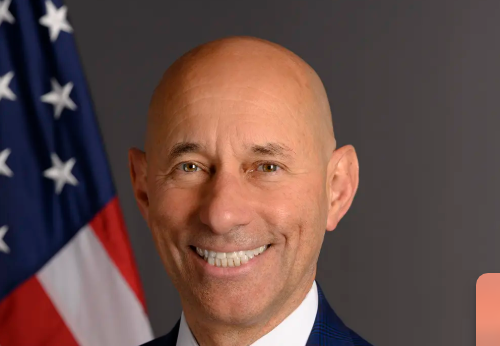
For Nigeria, the US Department of State’s Assistant Secretary of State for African Affairs, Frank Garcia’s first official trip to Africa is something to watch. His planned visits to Nigeria, Côte d’Ivoire, and Mali tell us a lot about the Trump administration's new way of working with West Africa. It shows less preaching and more bargaining. It focuses on security, trade, and partnerships instead of just aid.
Choosing these three countries is not random. Nigeria is the key player. Côte d’Ivoire is the rising partner. Mali presents the toughest test for whether the US can talk about sovereignty in a real way, not just in words.
Mr Garcia’s testimony supports this view. On 5 March, he told the US Senate Foreign Relations Committee that if confirmed, he would push “America First priorities on the African continent.” He promised to make US engagement “disciplined, strategic, and firmly rooted in our national interests.” He also mentioned that the United States should seek partnerships that are “mutually beneficial” and respect the choices African countries make for themselves. This language shows that Washington wants to reset expectations. It is not about withdrawing from Africa, but about engaging differently.
Nigeria is a must-stop for any US West Africa strategy. It has the biggest economy in the region and a significant role in security. Nigeria's decisions impact the wider Gulf of Guinea and the Sahel region. The country is also key to US business interests, energy flows, and regional counterterrorism efforts.
This is why Mr Garcia’s visit to Abuja is more than just routine diplomacy. It signals that Washington sees Nigeria as too important to overlook and too significant to treat with vague language. In a time when US foreign policy is more focused, the idea is clear. Partnerships must yield results that matter to the US, while still respecting Nigeria’s own priorities and leadership role.
Côte d’Ivoire represents a different example. Abidjan has become one of the US’s most promising partners in West Africa. It offers stability, commercial potential, and security relevance. In December 2025, President Donald Trump sent a presidential delegation to attend President Alassane Ouattara’s inauguration. Since then, ties have strengthened through health cooperation, infrastructure investment, private sector activities, and a new military-to-military relationship with the United States’ Pennsylvania National Guard.
This is not just about ceremonial diplomacy. It is a pattern of practical cooperation. A US company like Zipline and its drones are helping to build a health logistics system that operates 24/7. ABD Group has signed an infrastructure agreement worth more than 330 billion CFA francs with Côte d’Ivoire. The country is also hosting major security exercises, including the Exercise FLINTLOCK. It has become a more visible partner in efforts to stop Islamist spillover from Mali and Burkina Faso.
The bigger picture is that Côte d’Ivoire shows how a country can partner with the US, maintain ties with France, and still keep its own independence. This is sovereignty in action. It is not anti-Western or submissive. It is a balancing act aimed at preserving autonomy while gaining benefits.
Mali stands in sharp contrast. There, sovereignty is not just a diplomatic term; it is a political reality shaped by military rule, insurgency, and the fight for territory. The Malian government has turned to Russia’s Africa Corps, moved away from Western-led security arrangements, and aligned more closely with the Alliance of Sahel States. But the security situation is still dire.
This is where Washington’s approach gets interesting. The US has kept an embassy in Bamako. It clearly wants to maintain some level of engagement with Mali while avoiding the old paternalistic model. Mr Garcia’s outreach suggests that the US is ready to engage with Bamako based on mutual interests and sovereignty, not ideology. This is important. But it is also a test. On 1 July, the US State Department’s Deputy Secretary of State, Mr Landau, and Mr Garcia met with diplomats from the Sahelian countries in the Alliance of Sahel States, including Burkina Faso, Mali, and Niger. The goal was to strengthen bilateral cooperation and commitment to work together.
If the US can work with Mali on counterterrorism, intelligence, and regional stability without undermining Malian autonomy, it would mark a significant change.
For Nigeria, the key takeaway is that West Africa is entering a more competitive diplomatic era. The United States, France, China, Russia, Turkey, and other nations want to be part of the region’s future.
This is why Mr Garcia’s trip matters. It is not just about where he goes. It is about the type of relationship Washington seeks to build with Africa’s most strategically important region. Nigeria should see itself as a key player in that conversation.
The real test for the United States is simple. Can it engage Nigeria and West Africa in a way that is mutually beneficial and respects sovereignty? Mr Garcia’s planned trip will help answer that question.
Get more stories like this on your home page
How this story developed
- US Official's Upcoming Visit to Nigeria Shows New Approach to West Africa
US Official's Visit to Nigeria Shows New Approach to West Africa (this story)
Comments
No comments yet.