What the Federal Ministry of Marine and Blue Economy Has Achieved in Three Years
In three years, Nigeria's Marine and Blue Economy Ministry has significantly boosted revenue and improved maritime trade through reforms and investments.
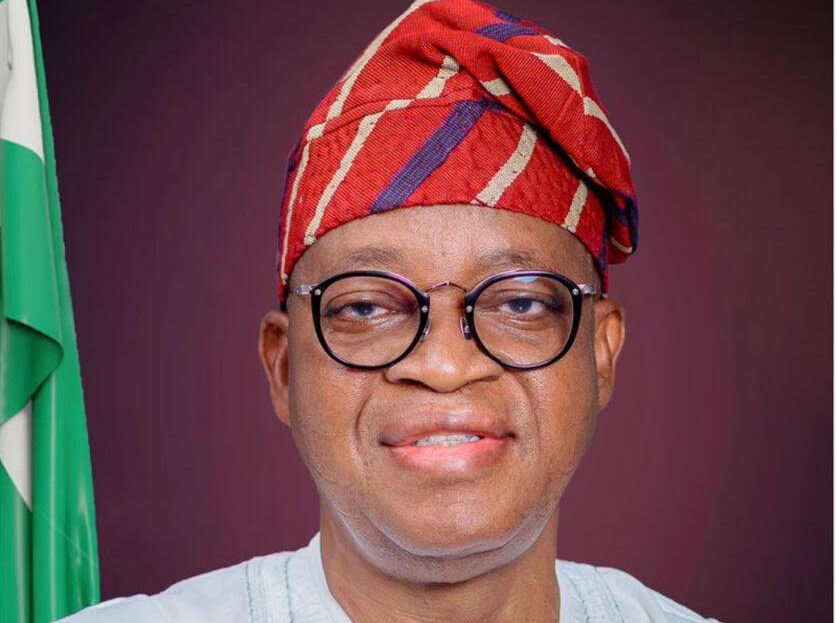
When President Bola Ahmed Tinubu set up the Federal Ministry of Marine and Blue Economy in August 2023, it marked a significant move to diversify Nigeria’s economy beyond the usual sectors. With Adegboyega Oyetola as the first leader, the Ministry aimed to tap into the rich potential of Nigeria’s 853 kilometers of coastline, many inland waterways, and exclusive economic zones.
In the last three years, the Ministry has grown from a new office into a key player in boosting national revenue, security, and trade. With regulatory changes, port modernization, safety measures, and investments in local capacity, Nigeria’s position in global maritime trade has improved. This report shines a light on the major successes that have marked its first three years.
Record Revenue Generation
The agencies under the Ministry hit a historic financial milestone by bringing in ₦1.83 trillion in 2025. This is a huge 160 percent rise from the ₦700.79 billion made in 2023, more than doubling the revenue before the Ministry was formed.
This increase was fueled by intentional reforms, including stronger regulatory oversight, better revenue assurance, aggressive digitization, and a strong focus on stopping leakages. By putting strict accountability measures in place, the Ministry made sure that marine and blue economy operations directly support the national treasury.
This achievement shows that having a separate blue economy portfolio can bring in significant non-oil revenue for federal infrastructure projects. It proves that Nigeria’s maritime resources are becoming crucial for sustainable national growth.
Landmark National Policy on Marine and Blue Economy
In May 2025, the Federal Executive Council (FEC) approved Nigeria’s first-ever National Policy on Marine and Blue Economy. For years, the country’s aquatic resources were managed by scattered rules, leading to overlaps and inefficiencies.
This new policy laid down a clear plan for sustainable growth, environmental care, and economic diversification over the next ten years. It gives potential investors and partners clear guidelines covering everything from shipping and ports to fisheries and energy.
By aligning Nigeria’s marine resource management with global standards, the policy protects marine life while creating a welcoming atmosphere for private investment. It serves as a roadmap for turning Nigeria’s water resources into lasting national wealth.
After this policy gained international praise, the Gulf of Guinea Commission invited Adegboyega Oyetola to lead efforts in forming a comprehensive Gulf of Guinea Blue Economy Framework.
Port Modernization and Upgrade, First in 50 Years
The Ministry kicked off the most ambitious port modernization effort in over fifty years, aiming to completely overhaul the Apapa and Tin Can Island ports in Lagos, Rivers Port, Calabar Port, and Warri Port.
The plan includes rebuilding quay walls, deepening channels for larger vessels, replacing outdated equipment, and fully digitalizing terminal operations.
This upgrade will allow Nigeria to handle more cargo at lower costs. It fixes issues in older ports and prepares the nation’s maritime centers to manage international trade efficiently for years to come. The Ministry appreciates the President for approving this significant project.
World Bank Names Apapa and Tin Can Ports Among Top 20 Ports
In recognition of these port improvements, the World Bank and S&P Global Market Intelligence ranked Nigeria’s Tin Can Island Port as 10th and the Lagos Port Complex in Apapa as 12th globally among the top 20 most improved container ports from 2020 to 2025.
This global acknowledgment was based on how quickly vessels moved, productivity at berths, container handling speeds, and overall efficiency improvements. It confirmed that long-standing issues at Nigeria’s main ports are being addressed.
This ranking gives international trade partners confidence that Nigerian ports are becoming fast and reliable gateways. This reduces international risks and makes Nigeria more appealing to global shipping lines.
Historic IMO Council Election
In November 2025, Nigeria celebrated a big win by regaining its seat on the International Maritime Organization (IMO) Category C Council after being absent for 14 years.
This success came from a coordinated international campaign that showcased Nigeria’s maritime reforms, zero-piracy record, port upgrades, and leadership in the Gulf of Guinea.
Being back on the IMO Council gives Nigeria a chance to influence global maritime policies, environmental rules, and shipping laws. It strengthens Nigeria’s position as a key maritime player worldwide.
Zero Piracy Record
Thanks to strong safety and security measures, Nigeria has kept a zero-piracy record in its waters for four years. This success comes from using modern maritime security tools, real-time satellite monitoring, and patrol vessels under the Deep Blue Project managed by the Nigerian Maritime Administration and Safety Agency (NIMASA).
Maintaining a zero piracy record has removed extra charges on ships heading to Nigeria. This saves shippers millions of dollars each year, lowers import costs for consumers, and reinforces Nigeria’s reputation as a safe maritime route.
US Lifts Restriction on Vessels From Nigeria
In another significant achievement, the Ministry got the 12-year US Coast Guard (USCG) Condition of Entry restrictions lifted on ships coming from Nigerian ports.
These restrictions were due to past weaknesses in port security and compliance with international safety codes. The Ministry ensured full compliance by tightening security, improving access controls, and passing USCG inspections.
The lifting of these restrictions means no more mandatory delays or additional inspection costs for US-bound vessels from Nigeria. It restores international trust in Nigeria’s maritime security and boosts trade with Western markets.
Deep Seaport Development
To prepare for the future, the Ministry is partnering with state governments to develop deep seaport projects in coastal states. These include the Ibom Deep Seaport (Akwa Ibom), Bakassi (Cross River), Agge (Bayelsa), Ondo (Ondo State), Badagry (Lagos State), and Bonny Deep Seaport (Rivers State).
Unlike traditional river ports, these deep seaports are designed for the largest ships. The Ministry has provided federal approvals, coordinated efforts, and support to ensure these projects succeed.
This strategy will prevent congestion at regional ports, spread maritime trade across different coastal routes, and help Nigeria become the leading transshipment hub for West and Central Africa.
NPERA Act and Ports Regulation Reform
A major win came when President Tinubu signed the Nigeria Ports Economic Regulatory Agency (NPERA) Act into law. This law gives an independent economic regulator permanent authority over Nigeria’s port logistics, moving away from temporary oversight.
The NPERA Act allows the regulator to enforce service standards, watch port fees, stop unfair practices, and protect users from high charges. It sets clear rules for terminal operators, shipping companies, and logistics providers.
This reform boosts investor confidence by ensuring fair play and transparency. It directly addresses complaints about high shipping costs, putting Nigerian ports in a better position compared to other West African maritime centers.
Revival of Nigeria’s National Shipping Carrier Under PPP
After many years without one, the Ministry is making strides toward reviving a National Shipping Carrier using a Public-Private Partnership (PPP) model. Nigeria’s last national shipping line went out of business years ago, leaving foreign ships to handle most of the country’s international trade.
Under the new PPP model, the Ministry has secured technical and financial support from credible international shipping partners while protecting local ownership. This setup reduces government financial risks while making sure the fleet runs efficiently.
Bringing back a national shipping fleet keeps billions of dollars in freight earnings in Nigeria, creates training opportunities for local cadets, and strengthens the country’s economic independence on global trade routes.
Boosting Indigenous Shipping Capacity Through CVFF
Responding to a long-standing need, President Tinubu has allowed the Ministry to start giving out the Cabotage Vessel Financing Fund (CVFF) through NIMASA. This fund had been untouched for over twenty years, leaving local shipowners without access to it.
By creating a transparent process with approved banks, the Ministry has opened the door for local shipowners to get low-interest loans. This funding will help them buy modern vessels and grow their fleets to compete for profitable shipping contracts.
This initiative is set to create over 30,000 jobs in shipyards, marine engineering firms, and logistics companies. It builds local shipping capacity and reduces reliance on foreign vessels.
Seafarers Development Highlights
● 222 seafarers trained for free in basic and advanced courses
● 333 NSDP cadets graduated with degrees; 135 received Certificates of Competency (CoC)
● 144 NSDP cadets and 122 others placed on global vessels for required sea time
● 7,059 Nigerian seafarers placed on vessels nationwide (130.36% increase)
● Over 80% average increase in seafarer earnings, with Able Seafarers (AB) going from about ₦400,000 to ₦1.3 million monthly.
Naira-for-Crude Scheme
The Ministry played a major role in executing the Federal Government’s Naira-for-Crude plan. This policy lets local refineries buy crude oil in naira, changing Nigeria’s energy sector.
The Ministry improved port logistics, marine services, berth allocations, and clearance processes for vessels under the naira framework. This ensured smooth crude supply to local refineries and the distribution of refined products by sea.
The scheme eases pressure on foreign reserves, stabilizes local fuel availability, and optimizes marine traffic in Nigerian waters. It shows how the Ministry uses maritime logistics to support economic stability.
Waterways Safety Intervention
Focusing on safety in Nigeria’s inland waterways, the Ministry distributed 3,500 lifejackets across busy coastal and river areas. With community training on safety limits and protocols, this effort has greatly reduced watercraft accidents, boosted public trust in water transport, and protected river trade.
The Ministry also set up a committee to look into the causes of boat accidents. After a nationwide review, the committee submitted a report with key recommendations to prevent future accidents and improve inland maritime facilities.
A key suggestion is to replace unsafe wooden boats with modern fiberglass ones to enhance stability and reliability. The Ministry is working with state governments to implement these recommendations, ensure safety compliance, and build a dependable water transport system across the country.
Acquisition of Modern Marine Crafts
To improve port operations, the Ministry, through the Nigerian Ports Authority (NPA), acquired modern marine crafts like mooring boats, tugboats, pilot cutters, and dredgers.
These new vessels replaced old equipment that caused delays in moving large ships to their berths. The new fleet ensures fast pilotage, safe towing services, and ongoing maintenance of navigational channels.
With these modern crafts, vessel wait times in Nigerian waters have drastically decreased. This improves safety, lowers shipping costs, and enhances the overall efficiency of major ports.
Increased Fish Production & Fishing Terminal Revamp
Through the Ministry’s blue growth initiative, Nigeria saw a significant rise in fish production from 1.1 million to 1.4 million metric tonnes in 2025. This increase shows the Ministry’s efforts to maximize the potential of the country’s fisheries and strengthen local food supply chains.
The economic impact of this growth is significant. It not only boosts local food security but also reduces spending on imported fish, saving foreign reserves. Furthermore, the growth in aquaculture and fisheries has created thousands of jobs and supported local businesses in coastal areas.
To ensure sustainability, the Ministry is forming Public-Private Partnerships (PPP) to upgrade fishing terminals across the country, including the key Kirikiri Lighter Terminal in Lagos. These partnerships aim to modernize landing jetties, set up cold-chain facilities, simplify licensing for local trawlers, and enhance anti-poaching patrols to protect Nigerian waters.
Increased Shrimp Exports
In a big achievement for exports and environmental standards, Nigeria hit a 100% compliance rate after all 23 inspected shrimp trawlers met technical needs for Turtle Excluder Devices (TEDs) during a thorough evaluation by U.S. inspectors.
TEDs are special devices in fishing nets that let sea turtles escape unharmed. Achieving this compliance required strict enforcement and training for local crews.
This full compliance secured Nigeria’s shrimp export certification for international markets, including the U.S. It protects hundreds of millions of dollars in annual export earnings and shows Nigeria’s commitment to protecting marine life.
Ended Apapa Gridlock
The Ministry, working with the Lagos State Government, achieved a goal that has eluded previous administrations for over two decades: completely removing the traffic gridlock around Apapa port.
This success came from implementing a modern electronic truck call-up system, enforcing holding areas, clearing illegal truck parks, and using inland waterways for container transport.
Ending the gridlock has revitalized businesses near the port, cut down cargo transit times, and saved logistics companies billions of naira in idle truck time and demurrage fees.
Establishment of Inland Dry Ports (IDPs)
To make shipping services more accessible to inland areas, the Ministry helped develop Inland Dry Ports (IDPs) across key commercial routes in Nigeria. A major step was the commissioning of the Funtua Inland Dry Port in Katsina State, along with progress at Moniya (Ibadan), Ijebu Ode, and Jos IDPs.
These IDPs serve as inland trade hubs with customs facilities, container yards, and connections to coastal ports. By functioning as ports of origin and destination, they help businesses handle cargo and clear goods locally.
This dry port setup lowers shipping costs for northern and inland areas. It also reduces congestion at coastal ports, lessens road wear, and connects inland states to regional trade under the African Continental Free Trade Area (AfCFTA).
Operationalized Regional Maritime Development Bank (RMDB)
The Ministry resolved a 16-year diplomatic and financial issue by starting the Regional Maritime Development Bank (RMDB) in Nigeria.
The Ministry worked to get approvals from Maritime Organisation of West and Central Africa (MOWCA) member states, secured operational space, and set up funding frameworks to launch the bank.
The RMDB is set to provide financial support for regional shipping, port infrastructure, vessel purchase, and marine tech projects. Its launch positions Nigeria as a key financial center for blue economy investments in West and Central Africa.
₦200,000 Minimum Wage for Shipping Workers
To support worker welfare, the Ministry achieved a historic agreement that sets a ₦200,000 monthly minimum wage for shipping workers, which is nearly triple the national minimum wage of ₦70,000.
Understanding that skilled workers are vital for maritime efficiency, the Ministry brought together shipping companies and labor unions to negotiate a fair wage structure.
This wage increase has improved living conditions for maritime workers, reduced labor strikes, and created a stable working environment across all Nigerian ports and maritime operations.
Digital Transformation & Enterprise Content Management System (ECMS)
The Ministry completed its digital transformation by launching an Enterprise Content Management System (ECMS), fully automating workflows and digitizing paperwork across all departments.
The ECMS cuts out manual processes, streamlines document flow, and allows secure tracking of requests and permits. This digital change has reduced processing times from weeks to hours, minimized corruption, and set a standard for efficient governance.
Capital Flight Prevention
Working with the Central Bank of Nigeria, the Ministry set up a verification process to assess the fairness of freight rates, demurrage claims, and charter fees before approving foreign currency transfers.
Before this, the maritime sector faced issues like inflated invoices and illegal capital flight. This oversight protects Nigeria’s foreign reserves, restores order to maritime finances, and ensures proper operators get timely currency allocations.
Continuous Dredging of Port Channels
To keep navigation clear for international vessels, the Ministry has maintained a continuous dredging program in key access channels, including Lagos, Bonny, and Calabar. Over time, silt builds up in these channels, risking grounding for large vessels.
This ongoing dredging ensures channels stay at their proper depths. It helps prevent accidents, removes size restrictions for vessels, and allows shipping lines to access Nigerian ports without problems.
Conclusion
The impressive progress of the Federal Ministry of Marine and Blue Economy in its first three years shows how vision, focus, and disciplined action can drive change. Created by President Bola Ahmed Tinubu as part of his Renewed Hope Agenda, the Ministry had a clear mission: to unlock Nigeria’s vast aquatic resources, boost non-oil revenue, create sustainable jobs, and make Nigeria a leading maritime center in Africa. Under Adegboyega Oyetola’s leadership, this vision has turned into real results, from record revenues to improved port efficiency and enhanced maritime security.
By linking its goals with the core areas of the Renewed Hope agenda, especially economic stability, infrastructure improvement, security, and human capital growth, the Ministry has transformed Nigeria’s economic landscape. Doubling sector revenues to ₦1.83 trillion, solving long-standing port congestion, returning to the IMO Council, and disbursing the Cabotage Vessel Financing Fund (CVFF) all show a major restructuring of Nigeria’s marine sector that benefits Nigerians directly.
As the Ministry looks to the future, it continues to be a key part of President Tinubu’s economic diversification efforts. The successes of these first three years create a strong plan for ongoing growth, showing that Nigeria’s blue economy is no longer just a potential area, but a key driver of national wealth, competitiveness, and long-term economic freedom.


Comments
No comments yet.