WHO starts trial for new Ebola treatment in DRC
The World Health Organisation has launched a trial in the DRC to test new treatments for Bundibugyo virus disease during a critical outbreak.
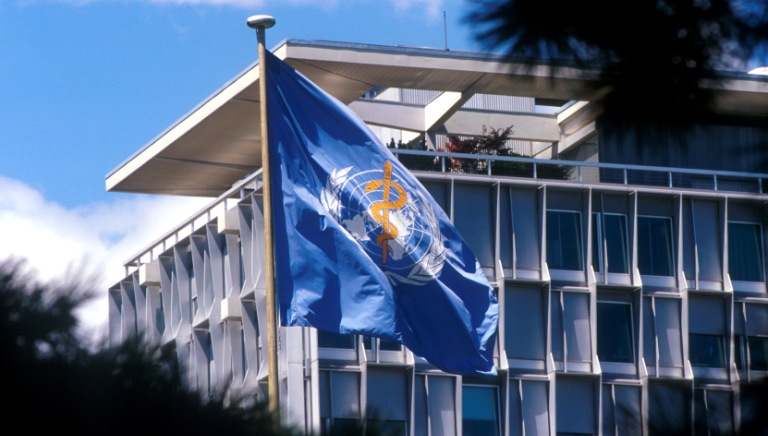
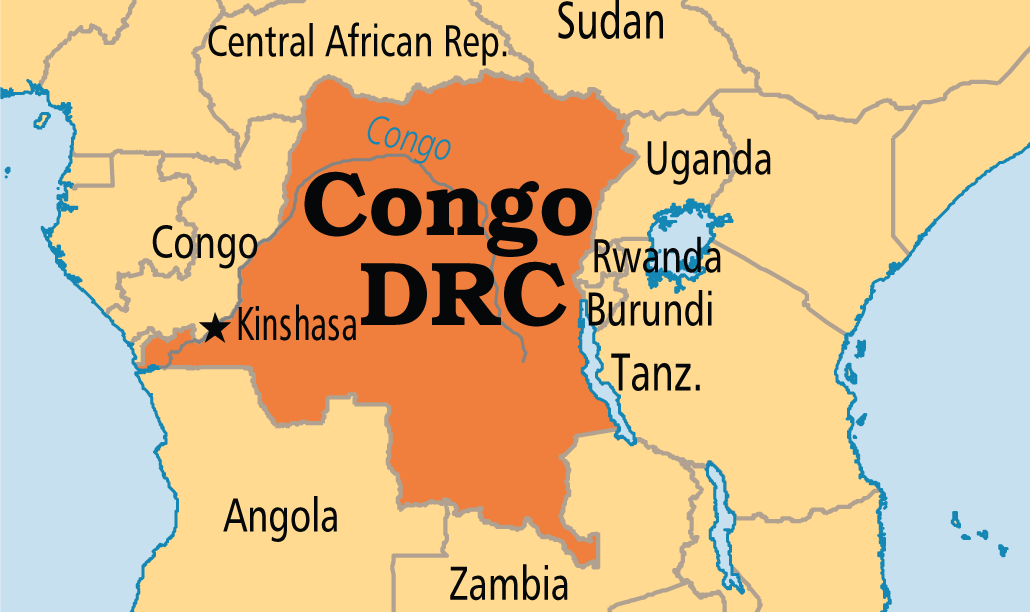
The World Health Organisation (WHO) has kicked off an international clinical trial in the Democratic Republic of the Congo (DRC). This trial will test two new treatments for Bundibugyo virus disease (BVD), a rare type of Ebola, as the country faces an ongoing outbreak.
The trial, called the Platform Adaptive Randomised Trial for New and Repurposed Filovirus TreatmentS (PARTNERS), started enrolling patients on Thursday. WHO shared this information in a statement.
The study will check if the monoclonal antibody MBP134 and the antiviral drug remdesivir can help lower the death rate among people infected with the Bundibugyo virus. Researchers will also see if using both medicines together works better than using either one alone.
The trial is backed by WHO and run by the Institut National pour la Recherche Biomédicale (INRB) in the DRC, the Institute of Tropical Medicine in Belgium, and the University of Oxford in the United Kingdom. Support also comes from the Africa Centres for Disease Control and Prevention (Africa CDC) and other international research and humanitarian groups.
This trial comes at a critical time as the DRC deals with a Bundibugyo virus outbreak that has affected more than 1,400 people and led to 440 deaths. This situation shows the urgent need for effective treatments.
WHO reported that there are no approved medicines specifically for Bundibugyo virus disease, even though there are treatments for other strains of the Ebola virus. "The trial comes as the DRC continues to grapple with a Bundibugyo virus outbreak that has infected more than 1,400 people. Nearly 210 patients have recovered, while about 440 people have died, underscoring the urgent need for effective treatment options."
According to the organisation, the WHO Technical Advisory Group chose MBP134 and remdesivir after looking at available scientific evidence, including lab results, safety information, and lessons from past Ebola outbreaks.
Participants in the study will be monitored for at least 28 days after joining while receiving supportive care. This will include fluid replacement, oxygen therapy, blood pressure management, and pain relief, as per WHO treatment guidelines.
WHO Director-General, Tedros Ghebreyesus, highlighted that the trial gives hope to patients and their communities. "The PARTNERS trial, established with national authorities and scientific partners in record time, offers real hope that we can deliver concrete results for and with the communities at the heart of the outbreak."
He pointed out that while some patients recover without specific treatment, having effective medicines could greatly boost survival rates. WHO noted that the study's design allows researchers to add and test new treatments as more scientific evidence becomes available, helping to respond faster during disease outbreaks.
Amanda Rojek, PARTNERS Trial Operations Lead at the Pandemic Sciences Institute, University of Oxford, said a key lesson from earlier Ebola outbreaks is that research should happen alongside emergency responses, not after. She mentioned that this study could gather evidence quickly enough to inform treatment decisions during the current outbreak, possibly providing results within months.
The Director-General of the Institut National pour la Recherche Biomédicale, Jean-Jacques Muyembe-Tamfum, stated that including the trial in regular patient care would let patients access promising new treatments. It would also assist scientists in improving responses to future outbreaks. "By integrating this trial into clinical care, we are giving patients access to promising investigational treatments while generating the evidence needed to improve care for current and future outbreaks," he said.
The DRC’s Health Minister, Samuel Kamba, called the launch of the PARTNERS trial a major step forward for the country’s public health efforts. He expressed hope that it could find more effective treatments, save lives during the current outbreak, and enhance global readiness for future Ebola outbreaks.
Bundibugyo virus disease is one of the six known types of the Ebola virus. It was first identified in Uganda in 2007 and causes symptoms similar to other forms of Ebola, such as fever, severe weakness, vomiting, diarrhoea, and in serious cases, bleeding both internally and externally.
Unlike the Zaire strain of Ebola, which has licensed vaccines and treatments, there are no approved vaccines or medicines specifically for the Bundibugyo virus.



Comments
No comments yet.