Abacha's former security chief says he has nothing to regret
Frank Omenka, former security chief under Sani Abacha, defends his actions in a recent interview, stating he has nothing to regret despite allegations of torture and abuse.
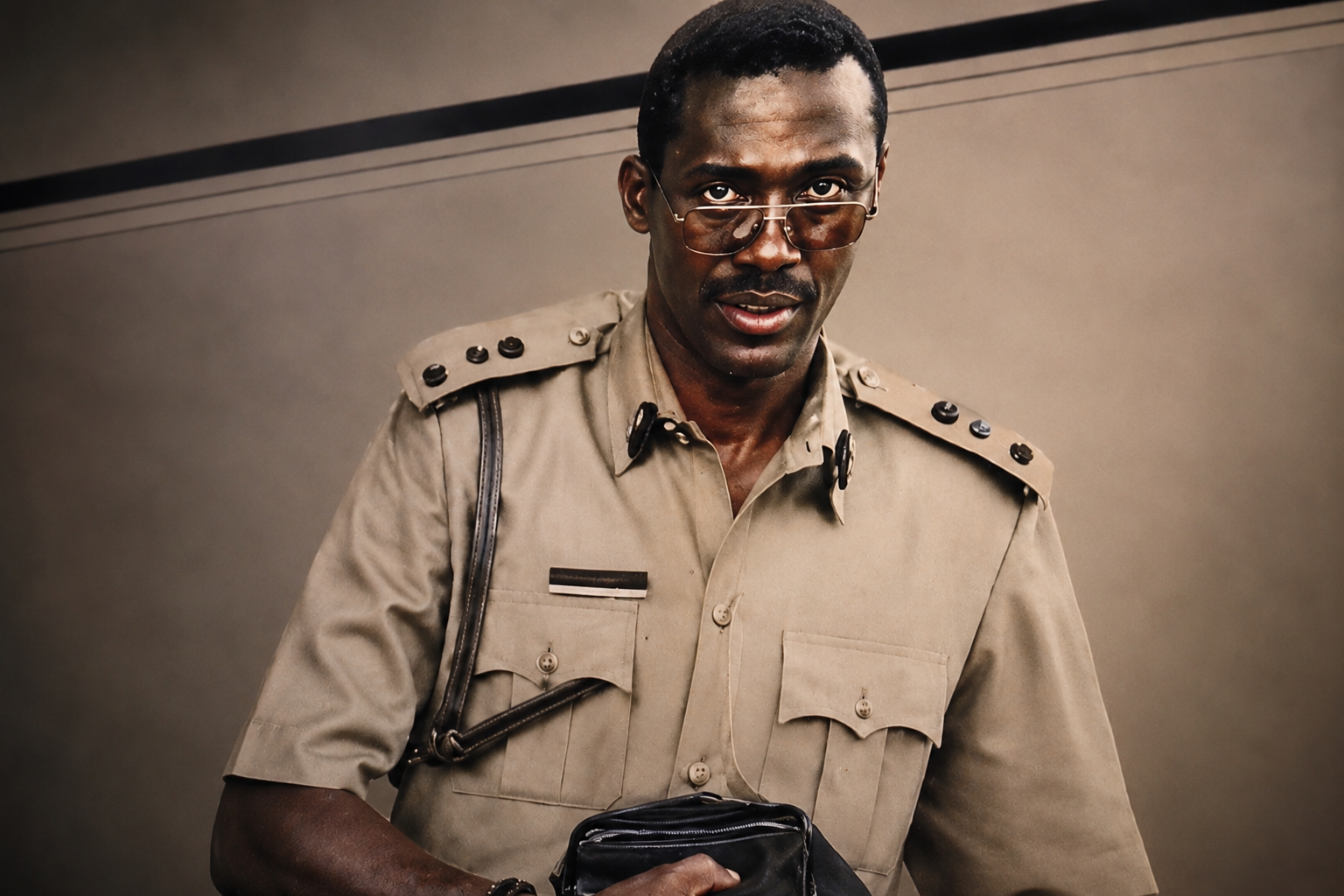
Frank Omenka, a retired colonel who was the head of the Directorate of Military Intelligence (DMI) Security Group under late military ruler Sani Abacha, has defended his actions. He insists he only did his job and has "nothing to apologise for."
This comes despite years of accusations of torture and human rights abuses against him. Mr Omenka had kept quiet for over 30 years since the government he worked for left power.
The retired military officer, who has lived abroad since Abacha's regime ended, spoke on 25 June during his first public interview. Journalists and former detainees questioned him about his role in Nigeria’s controversial military investigations, including the alleged coup trial in 1995.
The session was held online and organised by Experiential Leadership in Africa (TEL-Africa) with PREMIUM TIMES. Adeolu Adewunmi moderated the discussion, while Dapo Olorunyomi, Kunle Ajibade, and Idris Akinbajo also asked questions about Mr Omenka’s alleged involvement in many abuses during Abacha's rule.
Before this interview, public knowledge about Mr Omenka was limited. He explained that he was in school when the military leadership recruited him into the system.
When he became the head of the security group, Mr Omenka gained notoriety for serious allegations that could have ended his career if properly investigated. These allegations, including rape and torture, are the only public records of his time in power.
After Abacha's regime, many former political detainees, journalists, students, labour activists, and military officers went before the Human Rights Violations Investigation Commission, known as the Oputa Panel. This panel looked into rights abuses under the late dictator.
Some top officials from the Abacha government came to defend themselves. Mr Omenka left Nigeria before the panel started and did not testify. He told his interviewers that he did not leave to dodge prosecution but to be with his children abroad.
At the Oputa panel, many victims shared their stories of detention and mistreatment by military personnel. Several witnesses named Mr Omenka in their testimonies.
Media executive Nduka Obaigbena recalled being interrogated by military officers from the Directorate of Military Intelligence after THISDAY published articles critical of the Abacha government.
Olusegun Adeniyi, a former detainee and former editor of Sunday Concord, said he was held in DMI custody. He recounted how Mr Omenka threatened sexual violence against a detainee’s wife. "I will detain you here tonight and organise some boys to go and rape your wife at home," Mr Adeniyi quoted Mr Omenka saying in a column eight years ago.
No major trial has definitively held Mr Omenka responsible for the abuses former detainees claimed he committed.
During the session, Mr Omenka dismissed claims that he hurt detainees or went beyond the law. He maintained that his role was to investigate suspects, not decide their fate.
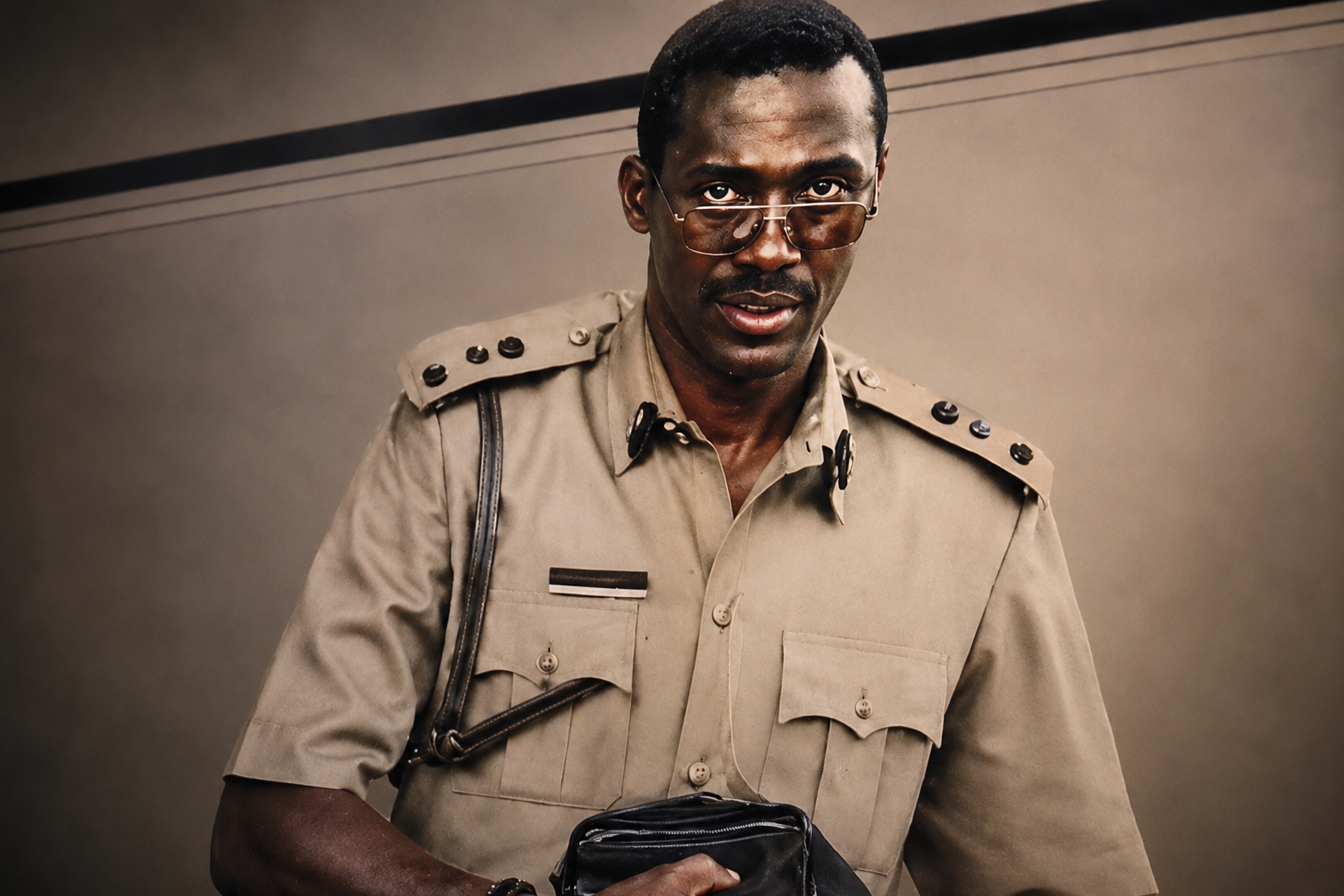

"I did my job," he said. "I didn’t kill anybody. I didn’t touch anybody. I carried out my job professionally."
When asked if he regretted his actions during the Abacha era, Mr Omenka said there was no need to apologise. "There is no room for apology because I have not committed any offence," he said. "My duty was to investigate."
He faced accusations of wrongful convictions and emotional torture of innocent people during the military regime.
Mr Ajibade, who was the editor of TheNews and sentenced to life imprisonment after the 1995 alleged coup investigations, called Mr Omenka "a gangster, a sadist and a terrorist." He alleged that Mr Omenka used threats during interrogations.
In response, Mr Omenka admitted to using harsh language but said it was part of interrogation techniques aimed at getting information, not about personal malice. "It had nothing to do with me as a human being," he said. "It had everything to do with me as a professional. All we wanted was to get to the truth."
He also clarified that his team was not responsible for sentencing suspects. "My panel was not a tribunal," he said. "It was an investigating team."
Throughout the conversation, moderators and participants asked if he had reflected on the pain suffered by victims and their families. They wanted to know if he felt any remorse for the consequences of the investigations.
But Mr Omenka maintained he neither physically assaulted detainees nor exceeded his authority. "You say people were taken to prison. My duty was to take them there. I didn’t judge them. I didn’t sentence them," he said.
The interview was one of Mr Omenka’s most detailed public discussions about his time during the Abacha years. This period is often criticised for detaining people without trial, torturing them, and suppressing political opposition.
His comments may spark fresh discussions about accountability for the abuses that happened during Nigeria’s military rule. Many victims still insist they faced severe injustices during investigations where Mr Omenka had a key role.
The interview ended with no sign that the retired officer would retract or apologise for his actions. He insisted that history had misunderstood his role and that he simply did his assigned duties.
Comments
No comments yet.