Why I didn't show up at the Oputa panel - Abacha's Frank Omenka
Frank Omenka, a former military intelligence head, reveals he only learned about the Oputa Panel years after it concluded. He denies accusations of human rights abuses.
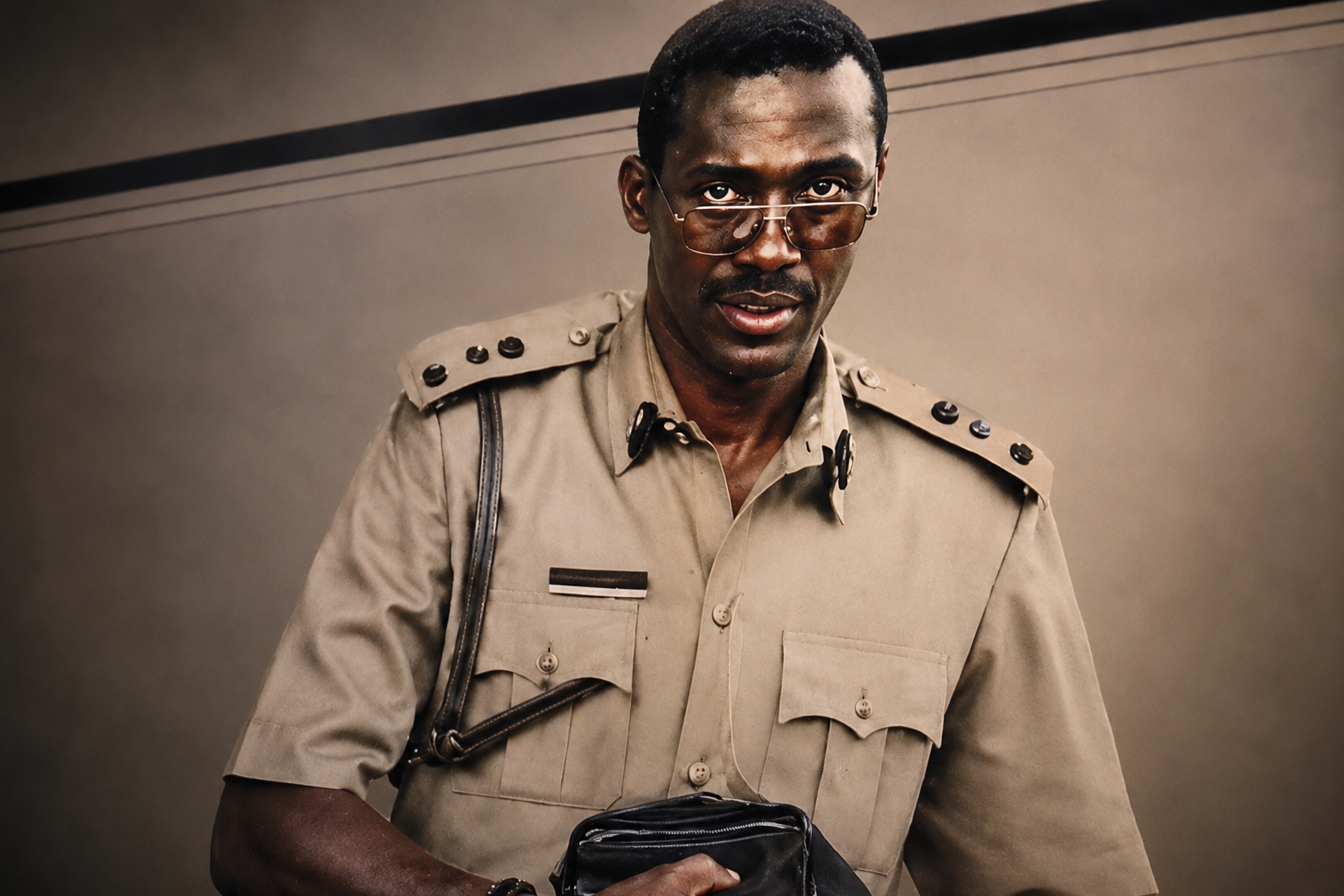
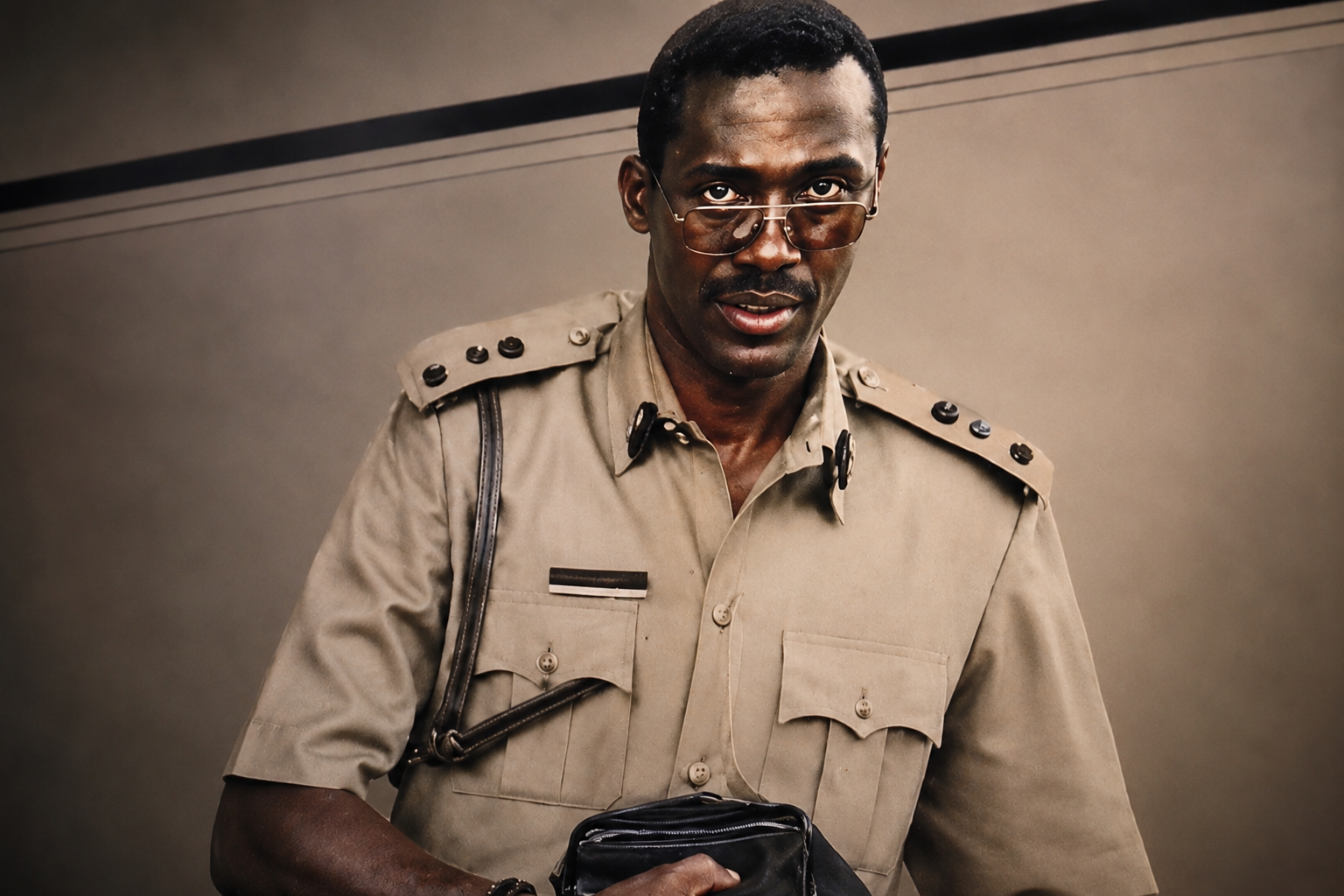
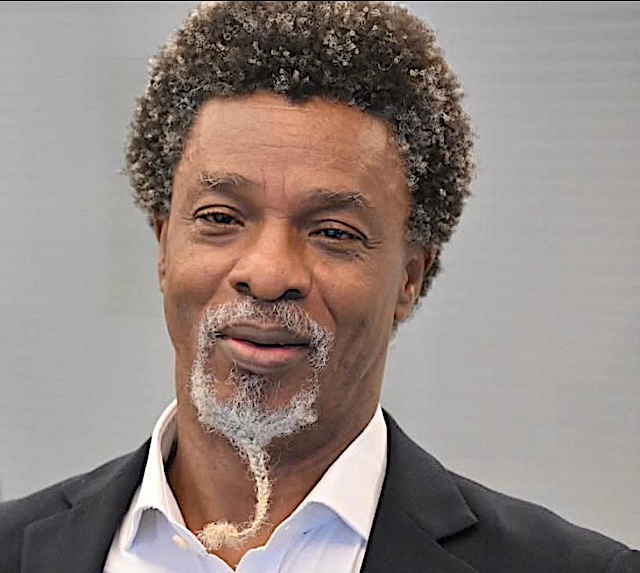
Frank Omenka, a retired colonel and former head of the Directorate of Military Intelligence (DMI) Security Group under the late Head of State, Sani Abacha, says he only found out about the Oputa Panel 12 years after it finished.
Even though the panel's hearings were shown on TV in Nigeria and covered by local and international media, Mr Omenka, who faced several accusations of human rights abuses, said he didn’t know the panel existed until long after it ended.
During a virtual interview with journalists on 25 June, Mr Omenka also denied raping a teenager and causing her death, which was one of many human rights violations he was accused of at the Oputa panel.
This interview was Mr Omenka’s first public appearance in over thirty years. He has been a controversial figure linked to the Abacha regime. Former detainees, journalists, and human rights activists have accused him of torture and intimidation during military investigations. He denied all these claims and insisted he only did his job.
Mr Omenka made these comments during a three-hour virtual panel talk organized by Experiential Leadership in Africa (TEL-Africa) in partnership with PREMIUM TIMES.
Throughout the discussion, the panellists asked Mr Omenka about allegations of torture, wrongful detention, and other human rights abuses connected to military investigations in the 1990s.
Why I did not appear before the Oputa Panel, Omenka
When asked why he did not show up at the Human Rights Violations Investigation Commission, known as the Oputa Panel, despite being mentioned in several testimonies, Mr Omenka said he didn’t know the panel was sitting.
“I didn’t know the panel was even on,” he said.
He explained that after leaving Nigeria, he cut himself off from news back home because it was painful for him after his military career ended.
“I switched off from Nigeria. It was painful,” he said.
Mr Omenka said he lived alone abroad and kept away from other Nigerians.
Even though the panel called him and others who did not show up, Mr Omenka challenged the interviewers to check if the commission ever invited him.
“You are journalists. Go and find out whether the panel sent a message to me and I refused to come,” he said. “I knew about the Oputa Panel about 12 years after it had ended.”
His answer was doubted by the panellists, who pointed out that many senior officials from the Abacha government appeared before the commission to explain their actions. Many former political detainees, journalists, and military officers also testified before the panel, mentioning Mr Omenka in their accounts of detention and interrogation.
The Oputa Panel was set up in 1999 by then-President Olusegun Obasanjo to look into serious human rights violations during military rule.

Rape allegation resurfaces
The interview took a surprising turn when the moderator, Mr Adewumi, brought up testimony from the Oputa Panel that claimed a young woman arrested during a military operation was sexually assaulted by Mr Omenka’s security group.
Archived records from the panel show that witnesses claimed in 2000 that Mr Omenka raped and got an 18-year-old detainee, Bunmi Samuel, pregnant. The records also said she died from abortion complications after being released.
Mr Omenka initially avoided the question but later denied the claim.
“I don’t know where the Security Group became a laboratory for making love to people,” he said.
He said both the young woman and a teenage boy were taken into custody after security operatives searched a house while looking for adult suspects. He said the adults escaped, leaving the two behind.
Mr Omenka stated that both teenagers were taken to a military facility for their safety. He added that the boy was released later when his mother came with documents from the British High Commission confirming his identity.
He insisted that neither of them was abused while in custody.
“People make up stories just to soil names because they had suffered pain,” he said.
PREMIUM TIMES previously reported that Mr Omenka also rejected long-standing claims that he tortured detainees during military investigations. He said he had nothing to apologize for.
He maintained that his job was to investigate suspects, not to decide their guilt or punishment. He admitted to using intimidating language during interrogations but said he never physically harmed anyone.
“I did my job. I didn’t kill anybody. I didn’t touch anybody. I carried out my job professionally,” he said.
“There is no room for apology because I have not committed any offence. My duty was to investigate,” he said.
Former detainees on the panel disputed his story, arguing that his methods led to wrongful convictions, long detentions, and suffering for many victims during the Abacha era.
Comments
No comments yet.