ABU researchers share tips on preventing and treating snakebites
Ahmadu Bello University researchers warn about snakebites and offer prevention and treatment tips. The carpet viper is a major concern in Nigeria.
A research center at Ahmadu Bello University (ABU), Zaria, has warned about the dangers of snakebites. They also provided tips for preventing and treating them.
ABU’s Venom, Antivenom and Natural Toxins Research Centre (VANTRC) shared these tips in its bulletin on Tuesday.
The bulletin states that snakebite envenomation is a big public health problem in Nigeria. This is especially true in the savanna regions where the carpet viper is common.
The World Health Organization (WHO) says that 81,410 to 137,880 people die each year from snakebites worldwide. Most of these bites happen in sub-Saharan Africa.
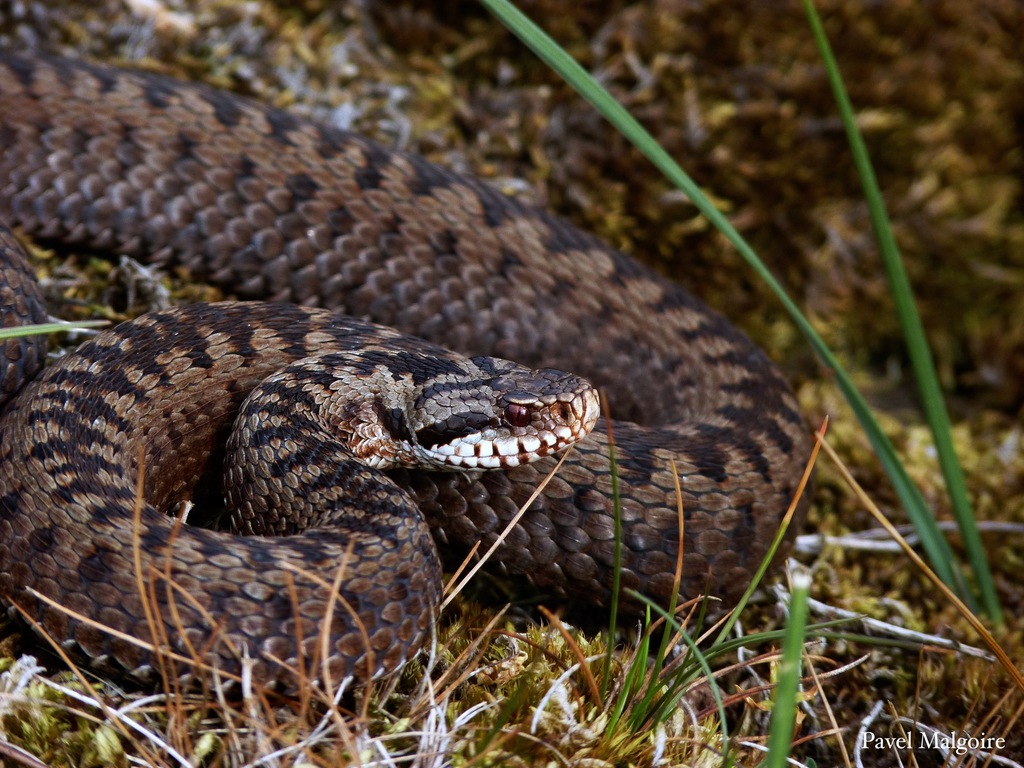
In Nigeria, there are about 174 snakebites for every 100,000 people each year. The saw-scaled or carpet viper (Echis ocellatus) causes 90 percent of these bites and is responsible for 60 percent of the deaths.
Data shows that bites usually happen on the lower limbs. They peak during the hot and rainy seasons.
The bulletin mentions that while snakebite treatment is available in Nigeria, it is not always easy to find at health facilities.
States with high snakebite cases
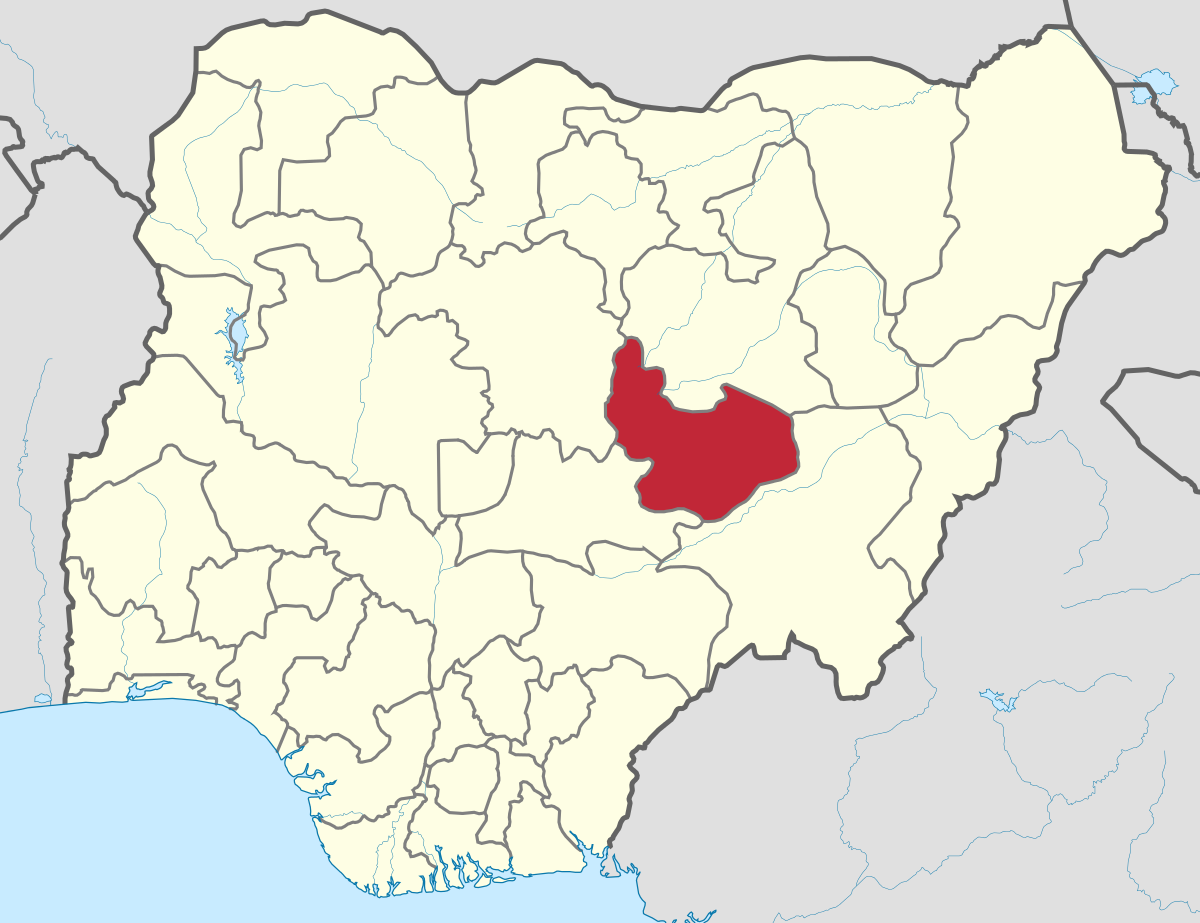
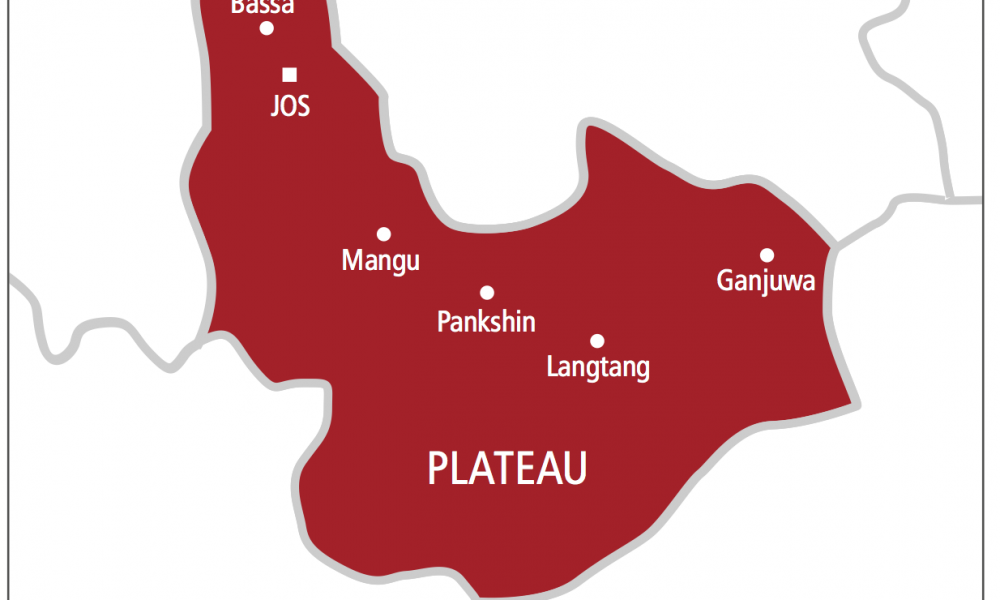
The Federal Ministry of Health reports that four northern states have the highest cases of snakebites. These states are Gombe, Taraba, Bauchi, and Plateau.
The savanna vegetation in these states creates a good environment for the Echis ocellatus.
Other states at high risk include Adamawa, Borno, Nasarawa, Benue, Kebbi, Kogi, Oyo, and Enugu.
Echis ocellatus, also known as the West African carpet viper, is a very venomous snake found in West Africa. It causes more human deaths than any other snake species in Africa combined.
Risk factors
- Snakebites are most common during the hot and wet seasons.
- Farmers, herders, and snake charmers are at risk of snakebites.
- People often get bitten when they accidentally step on a snake. Snakes usually avoid humans but will defend themselves if threatened.
- Bites can also happen when carrying plants or crops from the farm.
- Snakes may enter homes looking for prey like rodents, lizards, frogs, chicks, and even other snakes. Homes with these kinds of prey are likely to attract snakes.
- Cracks, holes, and piles of debris around the house can also attract snakes.
How to avoid snakebites
- Regularly check your house for cracks and holes where snakes can hide.
- Stay away from snakes. Do not handle or provoke them.
- Be careful when walking after rain, during flooding, in strong sunlight, and at night.
- Wear proper shoes, boots, and long trousers, especially at night.
- Always use a light when walking at night, even when going to the toilet.

Common symptoms
These include local pain that gets worse, fang marks, redness and swelling, bleeding around the bite, blurry vision, and drowsiness.
Other symptoms may include nausea, vomiting, weakness, increased saliva and sweating, muscle stiffness, and shock.
What to do if bitten
- Keep the victim calm and reassure them.
- Move the victim away from danger to prevent more bites.
- Keep the bitten area still and lower than the heart.
- Lay the victim on their left side to stop choking.
- Clean the bite with soap and water.
- Get the victim to a hospital quickly. Try to identify the snake and, if safe, capture it to take to the hospital.
More advice
Do not use a tight band (tourniquet) around the limb. This can cut off blood flow and lead to loss of the limb.
Do not make cuts or try to suck out the venom from the wound.
Avoid using pressure bandages around the bite site.
Do not apply electric shock to the bite area.
Do not use ice or any other cooling methods on the bite.
About VANTRC
VANTRC was set up to lead research on antivenom, vaccines, and antitoxins.
The center also focuses on developing treatments from venom and toxins.
According to the bulletin, VANTRC is making scientific strides to fight venomous snake threats and develop life-saving antivenoms for Nigeria and Africa.




Comments
No comments yet.