Africa CDC says global neglect led to no Bundibugyo Ebola vaccine
The Africa CDC is disappointed over the absence of a vaccine for the Bundibugyo Ebola strain, highlighting the need for more local investment in vaccine development.
The Africa Centres for Disease Control and Prevention (Africa CDC) is unhappy about the lack of funds to develop a vaccine for the Bundibugyo strain of Ebola. This comes nearly 20 years after the virus was first found in Uganda.
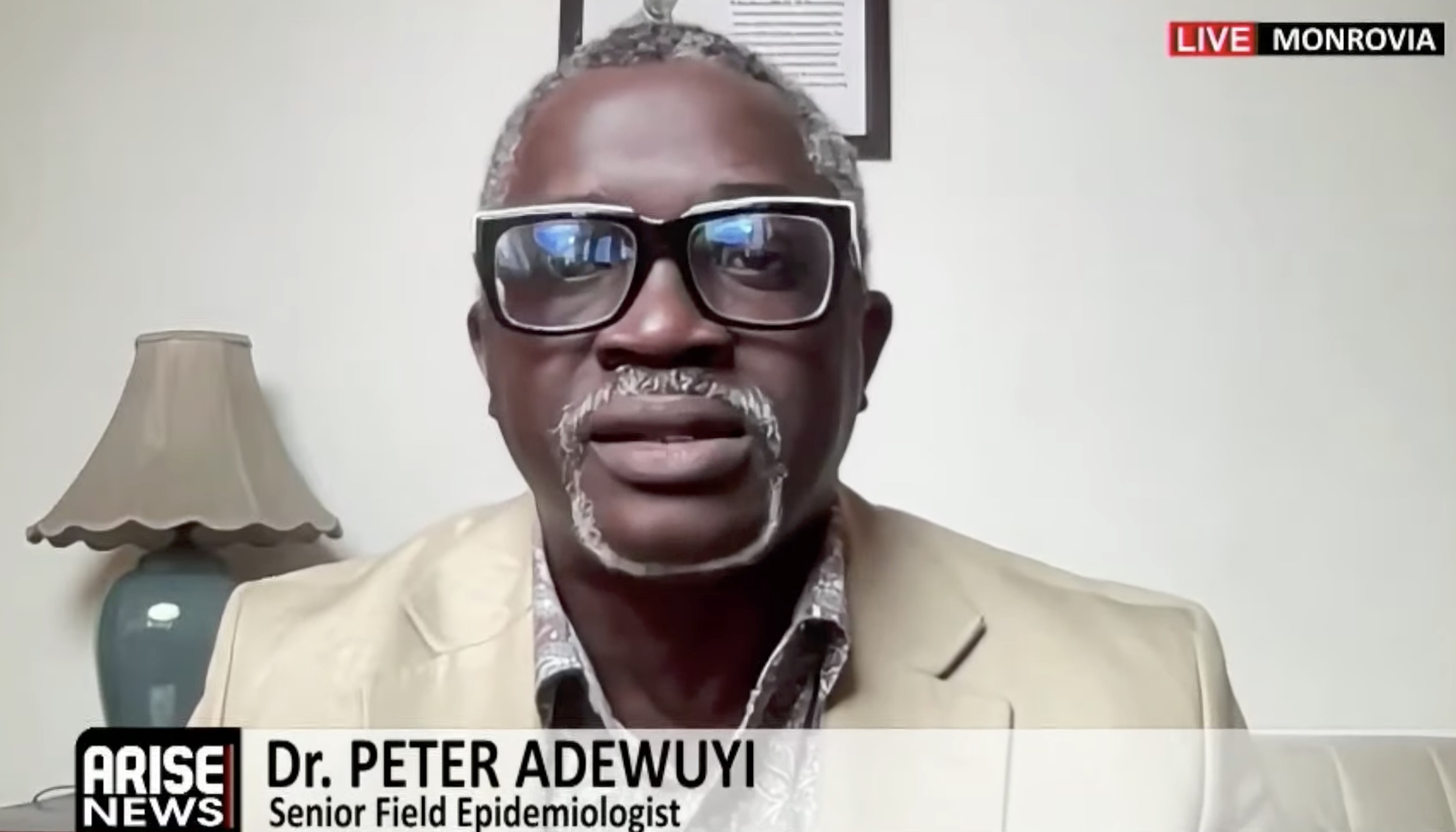
Jean Kaseya, the agency’s Director-General, said the lack of an approved vaccine shows that the international community has not given enough attention to diseases mainly affecting African nations.
Speaking on Channels Television’s The Morning Brief on Thursday, Mr Kaseya said things would have been different if outbreaks had happened in Western countries.
“If this outbreak was in Western countries, vaccines will already be available,” he said.
Mr Kaseya added that the Bundibugyo virus was found 19 years ago and has caused three outbreaks, yet no vaccine is available to stop the disease.
He pointed out that African countries need to put money into vaccine research, clinical trials, and local production, instead of relying mostly on international partners.
Mr Kaseya mentioned that Africa CDC is working with partners to push research on vaccines for the Bundibugyo virus, including collaboration with a manufacturer in Egypt.
The agency is also working with the Democratic Republic of the Congo (DRC) and Uganda to look into research and emergency options with existing Ebola vaccines.
One of the vaccines being looked at is Ervebo. This vaccine is approved to prevent the disease caused by the Ebola virus, known before as the Zaire strain. But it is not approved for the Bundibugyo virus.
Mr Kaseya said these efforts aim to boost Africa’s ability to handle disease outbreaks without depending too much on outside help for vaccines and other medical supplies.
“We don’t want to see Africa left behind,” he said.
He believes Africa has the scientific skills, trained workers, and manufacturing capabilities needed to create and make vaccines, medicines, and diagnostic tools.
Mr Kaseya spoke as Nigeria confirmed its first case of Ebola virus disease, following an outbreak that started in the DRC in May.
As PREMIUM TIMES reported on Thursday, the confirmed case is the wife of a diplomat who traveled to Kampala, Uganda, and returned to Abuja. She fell ill shortly after coming back and first sought treatment for what was thought to be malaria before her Ebola infection was confirmed.
The Nigerian government said the patient is getting medical care in isolation, while health officials have tracked 44 contacts for monitoring.
This case makes Nigeria the newest country affected by the cross-border spread of the disease.
The ongoing outbreak has also hit the DRC and Kenya, while Uganda had recorded cases before announcing the end of its outbreak.
Mr Kaseya said the response to this outbreak should change how Africa prepares for and handles infectious disease emergencies.
He highlighted three priorities: boosting vaccine manufacturing in Africa, improving coordination among international partners, and increasing local funding for public health responses.
He noted that 28 African countries have provided funds to support the response, showing a significant increase in continental ownership of health emergencies.
He urged African nations to keep finding resources instead of relying mostly on international help when outbreaks happen.
Mr Kaseya stressed that the organization must protect the continent’s 1.5 billion people across 55 countries. He added that their response to the Nigerian case is being coordinated with the health authorities and international partners in Nigeria.
He said this outbreak should speed up efforts to build a more self-sufficient African health system, with better local financing and more ability to develop and produce essential medical supplies.
“After Ebola, Bundibugyo will not be like before Bundibugyo,” he said, showing confidence that Africa’s approach to vaccine development and outbreak response will change.


Comments
No comments yet.