Africa's Economic Changes and Investment Risks in a Shifting World
Africa is experiencing rapid economic changes amid global shifts. Join the discussion on investment risks and opportunities at the upcoming conference.
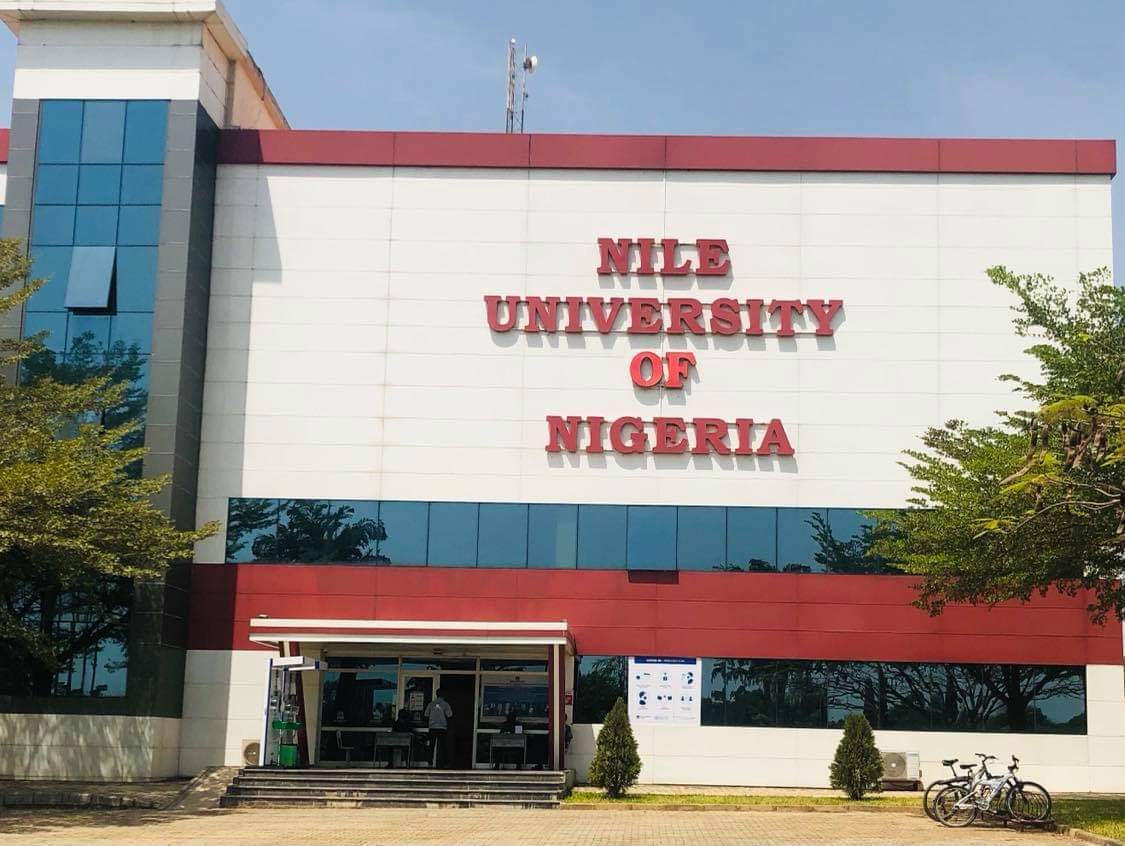
The African economic scene is changing fast. There is strong competition among big powers and shifting global alliances. The mix of economic strategies with national security is becoming more common. This new time brings both big challenges and new opportunities for Africa. To do well, we need to understand how economics and politics work together. We must focus on building our nations with good data and smart strategies.
As Africa deals with less global aid, more conflict, and increasing debt, the World Bank projects a 4.3 percent growth in Africa’s Gross Domestic Product (GDP) by 2026. The African Finance and Economics Association (AFEA) is teaming up with the Nile University of Nigeria (NUN) for the 3rd Annual Conference. The theme is “Africa’s Geoeconomic Development Agenda in a Global Realignment Era.” It will take place from July 3 to 5 at Nile University. This conference is a chance for scholars, researchers, policymakers, and professionals to talk about important issues in finance, trade, and agriculture.
Investment Opportunities and Risks
Table 1.0 shows investment themes, risks, and recommendations for Africa.
Table 1.0: Investment Themes, Risks, and Strategic Recommendations


| Investment Theme | Key Driver / Opportunity | Associated Risks | Strategic Recommendation |
|----------------------------------|----------------------------------------------------------------------|-----------------------------------------------------------------|---------------------------------------------------------------------------------------------------------------------|
| Regional Integration (AfCFTA) | Access to a single market of over 1.3 billion people; growth in intra-African trade. | Complex regulations; uneven implementation; logistical issues. | Invest in sectors that align with AfCFTA goals like consumer goods and logistics. Form partnerships with locals. |
| Infrastructure Development (AIFF) | Tackling a huge gap in energy, transport, and digital infrastructure. | Long project timelines; high costs; regulatory delays. | Work with the AIFF for safer, larger projects. Focus on public-private partnerships with good governance. |
| Digital Economy & Data Sovereignty | Rising digital usage; demand for data centers and analytics. | Changing data privacy laws and cybersecurity threats. | Team up with local tech companies. Make sure to check data laws. Invest in cybersecurity and data safety. |
| Economic Diversification (SAPZs) | Government push to move from oil to agro-processing and other areas. | Needs big initial investment; relies on stable policies. | Focus on agro-processing, renewable energy, and light manufacturing. Look for government incentives. |
| Inclusive Finance (MSMEs) | A large, underserved MSME sector is crucial for jobs and economy. | High default rates; lack of financial records; weak collateral. | Use blended finance models. Use technology for credit scoring. Provide capital and advisory services. |
As we look at economic changes, national independence, and local laws, we must be careful yet hopeful. There are risks with good opportunities, and we should think beyond short-term profits. Building long-term, beneficial ties with African countries is key. Investing in skills and partnerships with universities like NUN and Covenant University can help improve education and research while managing risks and ensuring steady returns.
A big chance for organizations like the African Development Bank and Afreximbank is to strengthen regional connections. This work is led by the African Continental Free Trade Area (AfCFTA).
In summary, the AFEA-NUN 2026 Annual Conference is a great chance to promote the AfCFTA Guided Trade Initiative. This initiative aims to lower barriers and ease the flow of goods and services in Africa. For businesses and investors, this means access to a market of over 1.3 billion people with a growing GDP. This creates many opportunities in consumer goods, manufacturing, and logistics. But to succeed in this market, companies must understand local value chains and invest in production facilities in Africa. The move towards diversifying the economy away from oil, especially through initiatives like the Special Agricultural Processing Zones (SAPZs), shows where investments could thrive. The agricultural and agro-processing sectors in Nigeria and Africa hold huge untapped potential.



Comments
No comments yet.