Nigerian Oil and Gas Leaders Push for Reforms and Local Content Growth
Nigerian oil and gas leaders emphasize the importance of reforms and local content growth for industry revival. They discuss investment opportunities at a recent conference.
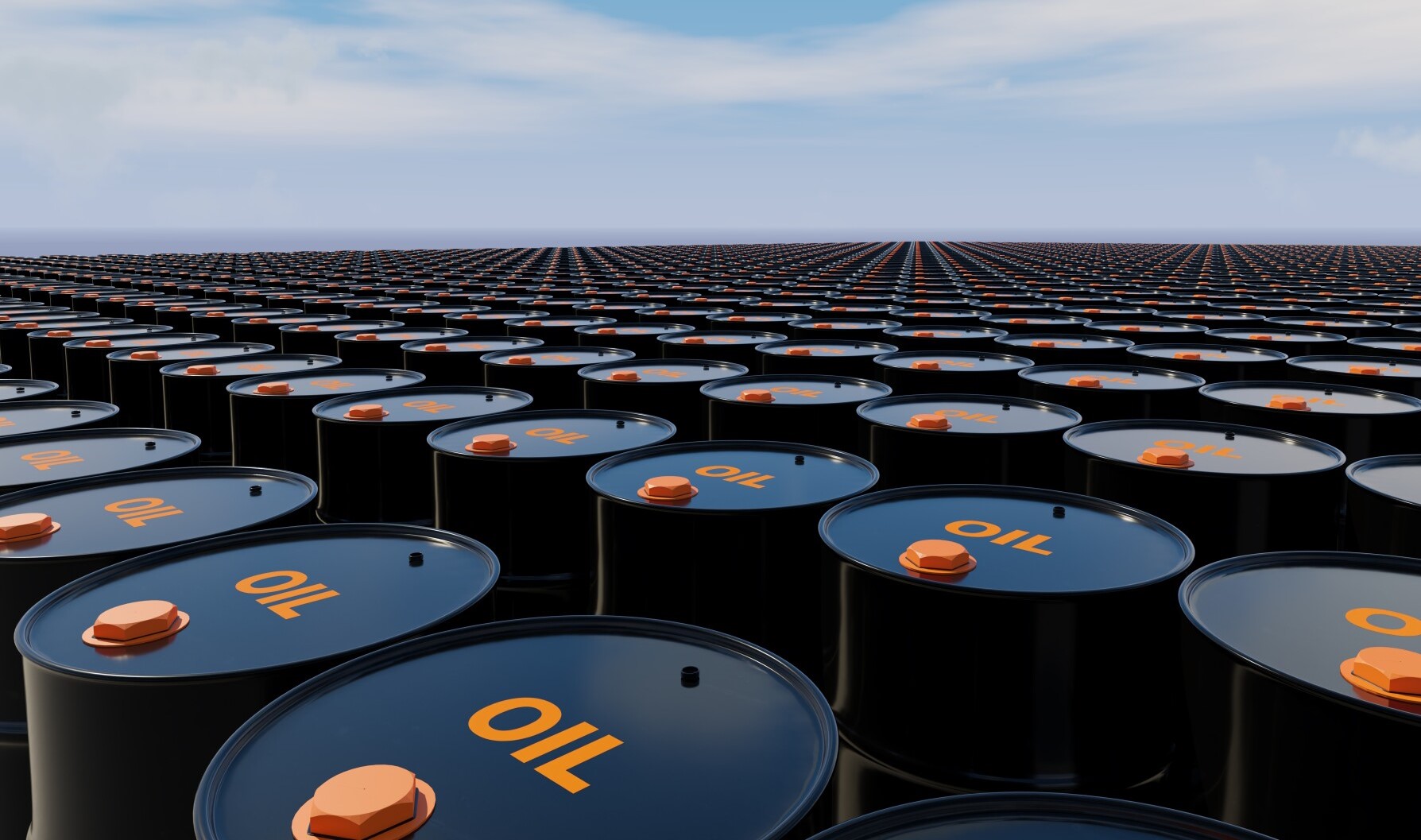
Nigeria’s oil and gas leaders say that steady policies, investment benefits, and better local content practices are key to reviving the industry.
The News Agency of Nigeria reported that they shared these views on Tuesday in Lagos during a panel discussion at the ongoing Society of Petroleum Engineers (SPE) conference.
The panel was called “Policy in Practice: Aligning Fiscal Strategy, Foreign Investment and Local Content for Sustainable Growth in Nigeria.” They looked into industry reforms and investment chances.
Executives from Chevron Nigeria, TotalEnergies, NNPC Engineering and Technical Company (NETCO), and Heirs Energies mentioned that recent reforms have opened new opportunities. They also said sustained growth hinges on more local participation, skill development, and teamwork in the industry.
Olusoga Oduselu, who is the general manager for Policy, Government and Public Affairs at Chevron Nigeria, said that good policies are vital for industry growth. He stated, “Sound policy frameworks are the foundation upon which engineering, production and technological advancement thrive.”
Mr Oduselu added that Chevron has pushed for local content growth for over sixty years, even before Nigeria had local content laws. He explained that the company aims to increase investments while boosting Nigeria’s industrial and engineering skills.
He said local content should be seen as a way to build strong Nigerian companies instead of just localizing production. Mr Oduselu mentioned the Sonam Project, where Chevron worked with NigerDock and Hyundai Heavy Industries on fabrication and integration in Nigeria. He noted that Nigerian engineering firms also took part in detailed engineering for that project.
He also highlighted the Agbami project, which saw Chevron support local companies like Marine Platforms through financial and technical help. He pointed out that many firms backed by Chevron now handle major projects and services in the industry.
“Developing local capacity is a journey. It comes with costs, but many companies we supported now deliver projects across the industry,” Mr Oduselu said.
Victor Bamidele, deputy managing director of Deepwater District at TotalEnergies, mentioned that reforms have brought a new phase of investment for Nigeria’s energy sector. He noted that better financial incentives have encouraged operators to approve major gas and deepwater projects after a long pause.
Mr Bamidele said TotalEnergies gave the green light for the Ubeta project in 2024, calling it one of the strongest local content projects in Nigeria. He said they expect production from that project to start next year.
He added that the company is close to making a Final Investment Decision on the Ima project, with first oil planned for 2028. Mr Bamidele said TotalEnergies is also moving forward with the Preowei project and restarting exploration activities.
He disclosed that one exploration well will be drilled this year, with two more deepwater wells scheduled for 2027. “There is no way to develop these projects without local participation profitably. The quality that Nigerian companies bring will determine the profitability of many of these projects,” he said.
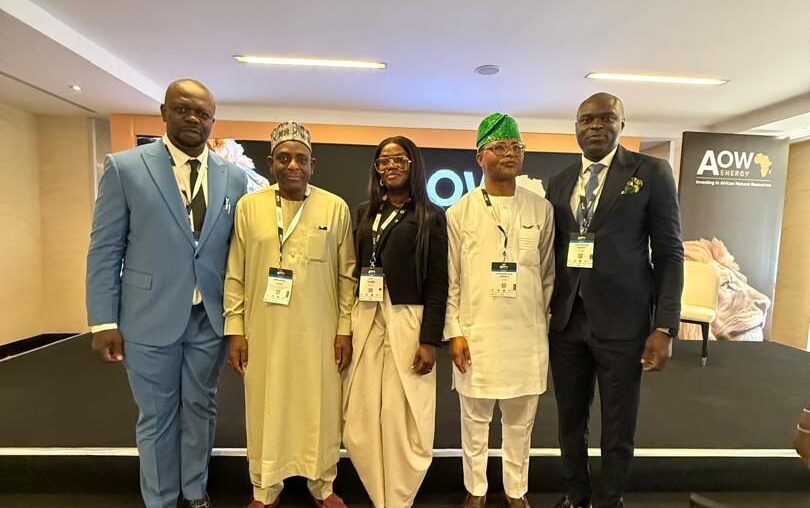
Salahuddeen Tahir, managing director of NETCO, described the industry’s outlook as one of the best in recent years. He credited this progress mainly to presidential executive orders issued in February 2024.
Mr Tahir noted that NETCO has promoted Nigerian content for almost forty years and urged local firms to improve their skills and access to funding. He stressed the need for technology adoption and cooperation among local engineering companies.
He pointed out that no single company may have enough capacity to handle the expected number of projects. He encouraged local firms to form strategic partnerships to deliver projects effectively and gain investor confidence.
“The opportunities are here. We need the people, capital, technology, and capability to deliver. When local companies consistently execute projects successfully, investors will continue to invest,” Mr Tahir said.
Osa Igiehon, managing director and CEO of Heirs Energies, said local operators have changed Nigeria’s oil and gas sector. He linked this progress to policy reforms, better security, and stronger local participation.
Mr Igiehon said crude oil production dropped from about 2.2 million barrels per day in 2020 to around 700,000 barrels per day in 2022. He noted that production has since bounced back to between 1.7 million and 1.8 million barrels per day.
He mentioned that local operators now make up over 60 percent of Nigeria’s oil production, up from 20 to 30 percent before the COVID-19 pandemic. Mr Igiehon said Heirs Energies increased production from 25,000 barrels per day in 2021 to over 55,000 barrels per day.
He added that the company also doubled gas production using a fully Nigerian workforce and mostly local contractors. He attributed operational stability to fiscal reforms, clearer regulations, community engagement, and better pipeline security.
He said that terminal delivery performance improved from three percent at acquisition to between 95 and 100 percent.
Looking ahead to Nigeria’s goal of producing 3 million barrels of oil daily by 2030, Mr Igiehon called for stronger local service companies. He suggested that local firms consolidate, gain better access to funding, and speed up industrialization.
Mr Igiehon concluded, “We have demonstrated what indigenous operators can achieve. The next challenge is building indigenous service companies with the scale, funding, and manufacturing capacity to support future growth.”

Comments
No comments yet.