Akwa Ibom releases Q2 budget report but lacks spending details, BudgIT
Akwa Ibom State released its Q2 2026 budget report, but it has significant gaps in spending details. This raises concerns about transparency in government finances.
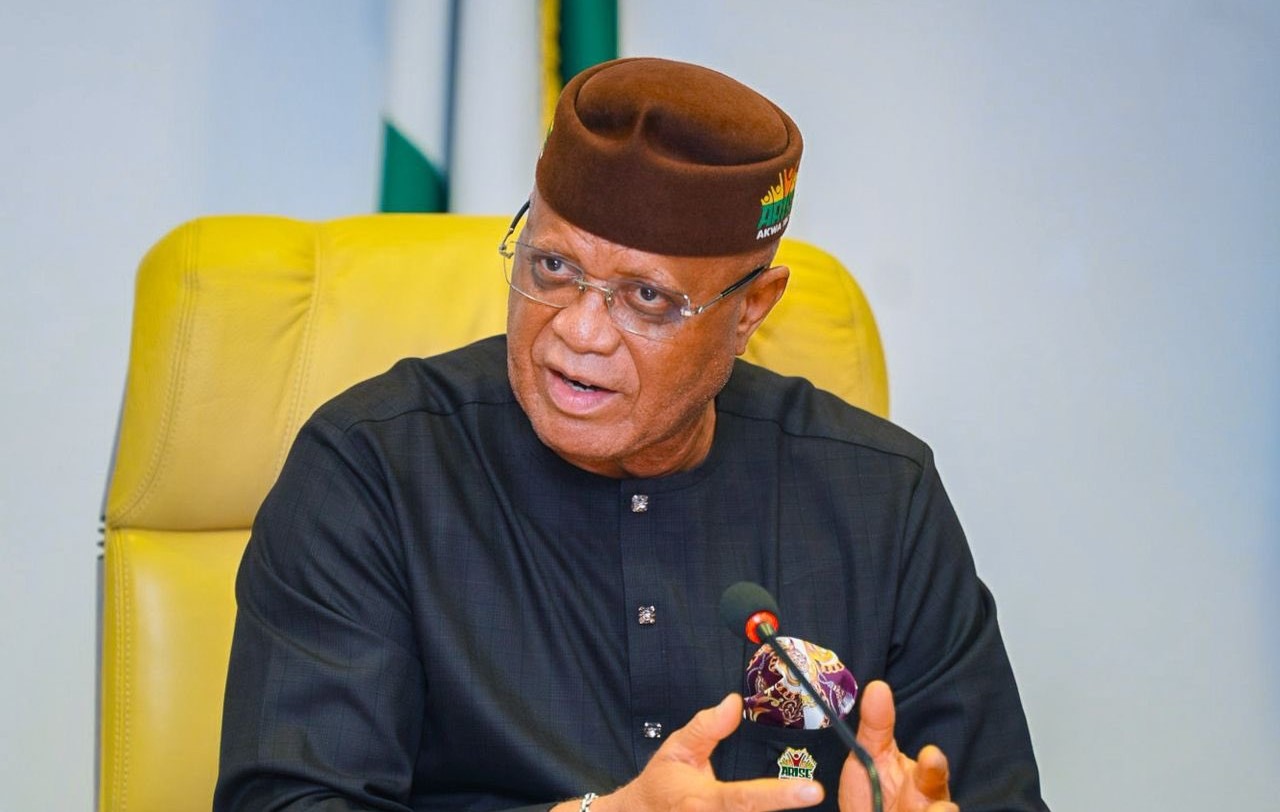
Akwa Ibom State Government has released its second-quarter 2026 budget report. But the three-page document has big gaps in how public money was spent.
BudgIT Foundation says these missing details make it hard for citizens to know where the trillions of naira received by the government went.
This puts Akwa Ibom in a strange spot. While 34 states published their Q2 2026 Budget Implementation Reports, BudgIT pointed out that Akwa Ibom's report, though available to the public, has "significant data gaps". This limits how much citizens can check government spending.
In its report, Half-Year BIR Status and Comparative Insights 2026/2025, BudgIT noted that just publishing a budget report does not equal transparency. If the information is incomplete or useless, it does not help anyone.
"Publishing a BIR is not enough, but the data must be complete and usable," BudgIT said.
"While Akwa Ibom State published its Q2 2026 BIR, the report contains significant data gaps that limit public scrutiny of government spending."
This criticism raises new questions about financial transparency in Akwa Ibom. Governor Umo Eno’s administration has received over ₦2.943 trillion in 38 months, based on revenue data reported by PREMIUM TIMES.
With key information on revenue and spending missing from the state’s budget reports, citizens find it hard to check if all the state’s revenue gets to the state government and how public funds are used.
BudgIT said it had raised concerns with the Akwa Ibom State Government about the missing information but did not get a response.
"Transparency requires disclosure, not just publication," the organization said.
BudgIT added that the case of Akwa Ibom shows that just putting out a fiscal document does not mean it is transparent.
"A published report can still leave out important information," the foundation said.
"Take Akwa Ibom. The state published its Q2 BIR, but it didn’t give enough information to show where all the money went."
This finding matches PREMIUM TIMES’ reports on the state’s declining financial disclosure under Mr Eno.
The newspaper has reported that the state government stopped releasing detailed BIRs from the first quarter of 2025. They replaced them with a three-page summary, which later became a five-page summary in the second quarter of 2026.
When Mr Eno was asked in a live interview about how the state’s trillions are spent, he mentioned the state’s audited financial statements for more details.
But PREMIUM TIMES found that the audited financial statements also lack enough detail about capital spending. This means the source Mr Eno mentioned does not fill the information gap.
An investigative report by PREMIUM TIMES in January showed that Akwa Ibom has slipped further into financial secrecy under Mr Eno. This is despite his promise for transparency in his manifesto and the state's Fiscal Responsibility Law.
The latest BudgIT report raises a similar concern from a national look at state-level financial disclosure.
Across Nigeria, BudgIT found that 34 out of 36 states published their Q2 2026 BIRs, which is 94.4 percent compliance.
Osun and Rivers states did not have a Q2 2026 BIR available. The 2026 figure shows a drop from the second quarter of 2025 when 35 states, or 97.2 percent, published their BIRs.
"While compliance remained unchanged between Q1 and Q2 2026, the year-on-year decline suggests a setback in fiscal transparency," BudgIT said.
Rivers State did not comply throughout both years, while Osun joined the list in Q2 2026.
While some states did not publish their reports, BudgIT’s look at Akwa Ibom shows another side of the transparency issue: a report can be out and still make it hard for citizens to track their money.


Comments
No comments yet.