Uba Sani praises Tinubu for boosting Nigeria's tax revenue as JRB meets
Governor Uba Sani has commended President Tinubu for reforms that significantly boosted Nigeria's tax revenue. The Joint Revenue Board meeting focused on assessing these changes.
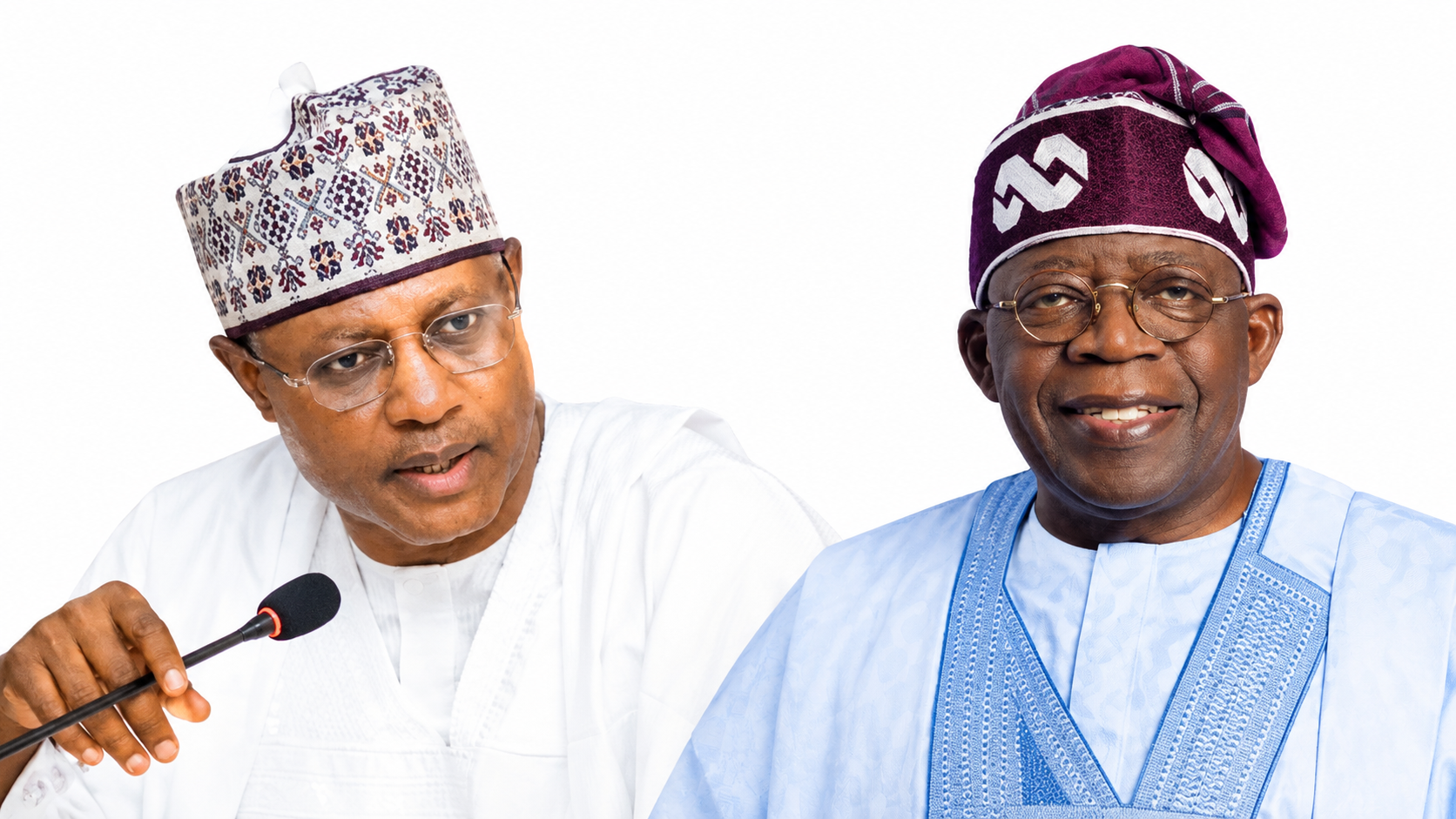
Governor of Kaduna State, Senator Uba Sani, has praised President Bola Ahmed Tinubu for making a bold decision to change Nigeria’s tax system. This includes new laws that changed the Joint Tax Board (JTB) to the Joint Revenue Board (JRB) and the Federal Inland Revenue Service (FIRS) to Nigeria Revenue Service (NRS).
Sani highlighted that one major result of the tax reform introduced by President Tinubu earlier this year is the increase of national tax revenue to N21.6 trillion by 2026.
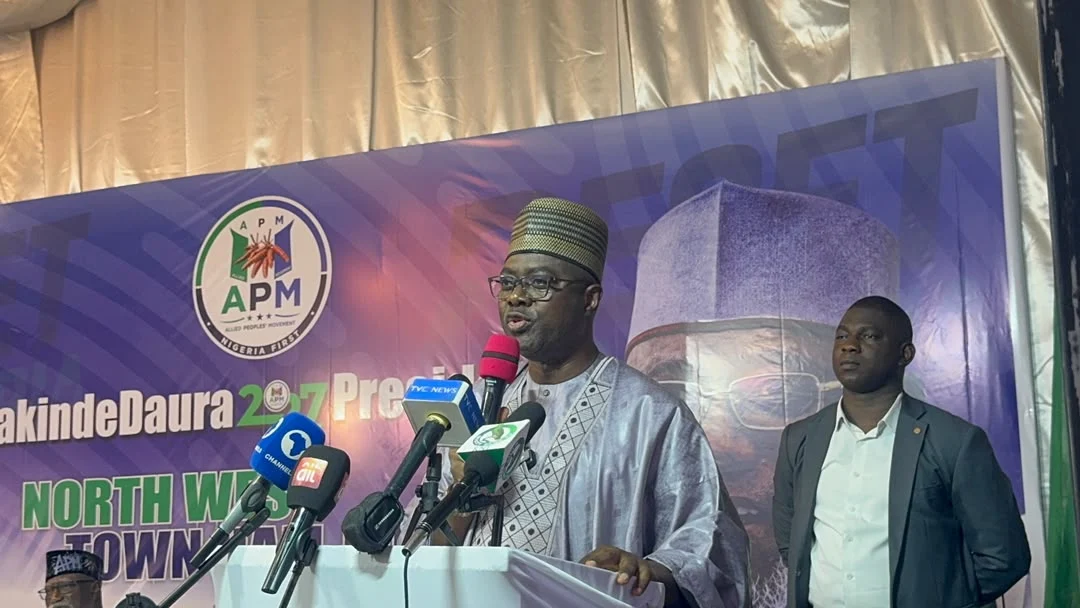
He spoke at the 160th meeting of the Joint Revenue Board (JRB) held in Kaduna on Wednesday. The theme of the meeting was, "One Year Of Tax Reform: Assessing Progress and Addressing Challenges."
According to Governor Uba Sani, national revenue was around ₦10.1 trillion in 2023. It increased to N21.6 trillion in 2024 and about ₦36.8 trillion in 2025.
In the first half of 2026, national tax revenue was about ₦21.6 trillion, showing a 49 percent increase compared to the same time last year.
Uba Sani said the new tax system shows that a modern economy needs a clear and efficient revenue system. He stated, "Nigeria requires a tax architecture that is coherent, predictable, efficient and capable of supporting national development without unnecessarily constraining enterprise and investment."
The governor also praised Dr Zacch Adedeji, the Chairman of the Joint Revenue Board (JRB) and the Nigeria Revenue Service (NRS), for his strong leadership in pushing Nigeria’s tax reform agenda.
He said, "His contribution has been distinguished not merely by technical competence, but by a clear appreciation of the larger purpose of tax reform: to strengthen revenue mobilisation while making the system simpler, fairer, more predictable and more responsive to taxpayers."
"Reforms of this magnitude inevitably require courage. They demand the patience to build consensus, the discipline to stay the course and the institutional imagination to turn legislation into effective administrative practice. Mr Adedeji has demonstrated these qualities with distinction," he added.
The Joint Revenue Board (JRB) is the main body for revenue management in Nigeria. They are reviewing the progress and challenges of the tax reform after one year.
At the 160th meeting, they noted that it is important for revenue authorities to come together to discuss their experiences under the new system and find solutions to any problems.
The meeting, on the theme “One Year of Reform: Assessing Progress and Addressing Challenges,” took place from September 1 to 2, 2026, in Kaduna State, and was opened by Governor Uba Sani.
Sani mentioned that the tax reform has created more chances for raising money within the country. He added that the real benefits of the reform would be to build institutions that can maintain these gains and earn the trust of taxpayers.
"The objective of the reform should not be simply to collect revenue, it should be to build a tax system in which compliance becomes easier, enforcement becomes more intelligent and voluntary compliance becomes a norm," he warned.
The governor urged the JRB to use the meeting to find problems that slow down revenue collection, weaknesses in institutions that cause issues between revenue authorities, and ways technology can help improve revenue management.
In his opening remarks, Dr Zacch Adedeji, Chairman of the Joint Revenue Board, represented by Muhammad L Abubakar, Executive Director Finance & Corporate Services, Nigeria Revenue Service (NRS), said the 160th meeting is a chance for the Board to review the progress made in the reform, fix any identified gaps, and tackle any challenges.
He said, "While encouraging progress has been recorded in institutional reform, digitalisation, data integration, harmonisation and collaboration, the ultimate measure of success of the reform must be improved revenue mobilisation, greater compliance, a better taxpayer experience and stronger contribution to national development."
Mr Olusegun Adesokan, Executive Secretary of the JRB, shared that 18 State Houses of Assembly have adopted the model harmonised taxes and levies law. This law has cut down over 50 collection items used by States and Local Governments to just nine categories. It has also stopped cash collection and roadblocks for collecting revenue, leading to better tax harmony at the state level.

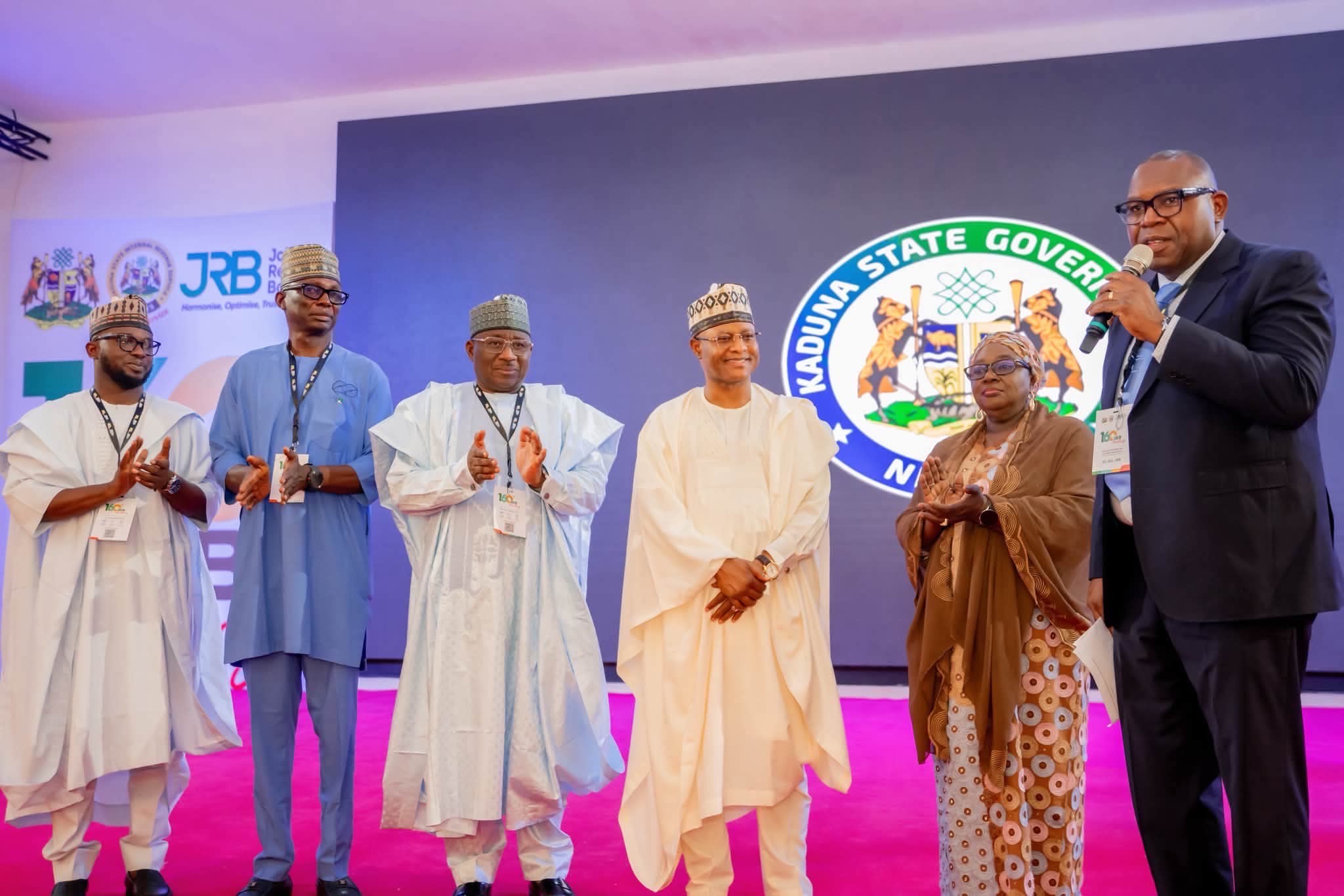
To clear up the misunderstanding that the tax reform has raised taxes, Adesokan said it actually lessened the tax burden on low-income earners, removed multiple nuisance taxes, and offered relief for low-income earners and small businesses.
He thanked the Kaduna State Governor for his ongoing support for the tax reform and for nominating Mr Jerry Adams, the outgoing Executive Chairman of Kaduna State Internal Revenue Service, as his running mate for the 2027 gubernatorial election.
Earlier, Mr Jerry Adams, the outgoing Executive Chairman of Kaduna State Internal Revenue Service, praised the teamwork between revenue authorities and other agencies in the tax system. He said this partnership has helped in carrying out the tax reforms.
Adams noted that tax compliance in Kaduna State has increased from about 35 percent to 65 percent in the last three years under Governor Sani. He credited this success to growing taxpayer confidence in the Governor, who has carried out many impactful projects in health, agriculture, education, and infrastructure.
The Joint Revenue Board includes 38 revenue authorities in Nigeria, such as the Nigeria Revenue Service, the 36 States and the FCT Internal Revenue Services. It also consists of the Federal Ministry of Finance, the Nigeria Immigration Service, the Nigeria Customs Service, Revenue Mobilisation, Allocation and Fiscal Commission, Federal Road Safety Commission, National Identity Management Commission, and the Chartered Institute of Taxation of Nigeria.
The 160th meeting was the second gathering of the Joint Revenue Board in 2026.
Governor Uba Sani also praised the former Executive Chairman of Kaduna Internal Revenue Service, Mr Jerry Adams, and his team for raising the state’s internally generated revenue from almost N4 billion to N10 billion monthly.
He said these revenue numbers are more than just figures; they show the growing ability to fund national development from local resources.
He stated that the tax reforms aim to simplify a complicated tax situation, reduce overlapping taxes, and use technology and e-invoicing to cut down on revenue losses.
He also mentioned that the new tax reforms aim to strengthen revenue management and, more importantly, improve the relationship between government and taxpayers.
The governor pointed out that sustainable taxation cannot rely only on force. It must be based on fairness, transparency, predictability, and trust.
"Citizens and businesses are more likely to comply when they understand their obligations, encounter a system that is straightforward to use, and have confidence that the resources they contribute are being responsibly applied to the public good."
"The goal, therefore, should not just be to collect more revenue. It should be to create a tax system where compliance is easier, enforcement is smarter, and voluntary participation is the norm, not the exception," he said.
He added that Kaduna State has embraced this approach. Through KADIRS, "we have continued to invest in technology-driven revenue collection, professionalise our revenue workforce and strengthen taxpayer education and engagement."
"Our goal is not only to raise collections but to build a revenue system that is broader, fairer, more efficient, and more sustainable," the Governor argued.
"We want to broaden the tax base instead of just placing a heavier burden on the same compliant taxpayers. We want to make compliance easier and enforcement more intelligent, targeted, and clear."
"Above all, we want to create a relationship with taxpayers based on trust, not fear. This is why the new reforms' structure is so important," he concluded.
Get more stories like this on your home page
How this story developed
- Fubara praises Tinubu for boosting Nigeria's security forces
Uba Sani praises Tinubu for boosting Nigeria's tax revenue as JRB meets (this story)
Comments
No comments yet.