ANA Convention Focuses on Financial Issues and Writers' Rights
The Association of Nigerian Authors held its 45th International Convention to address financial issues and protect writers' rights in digital publishing.
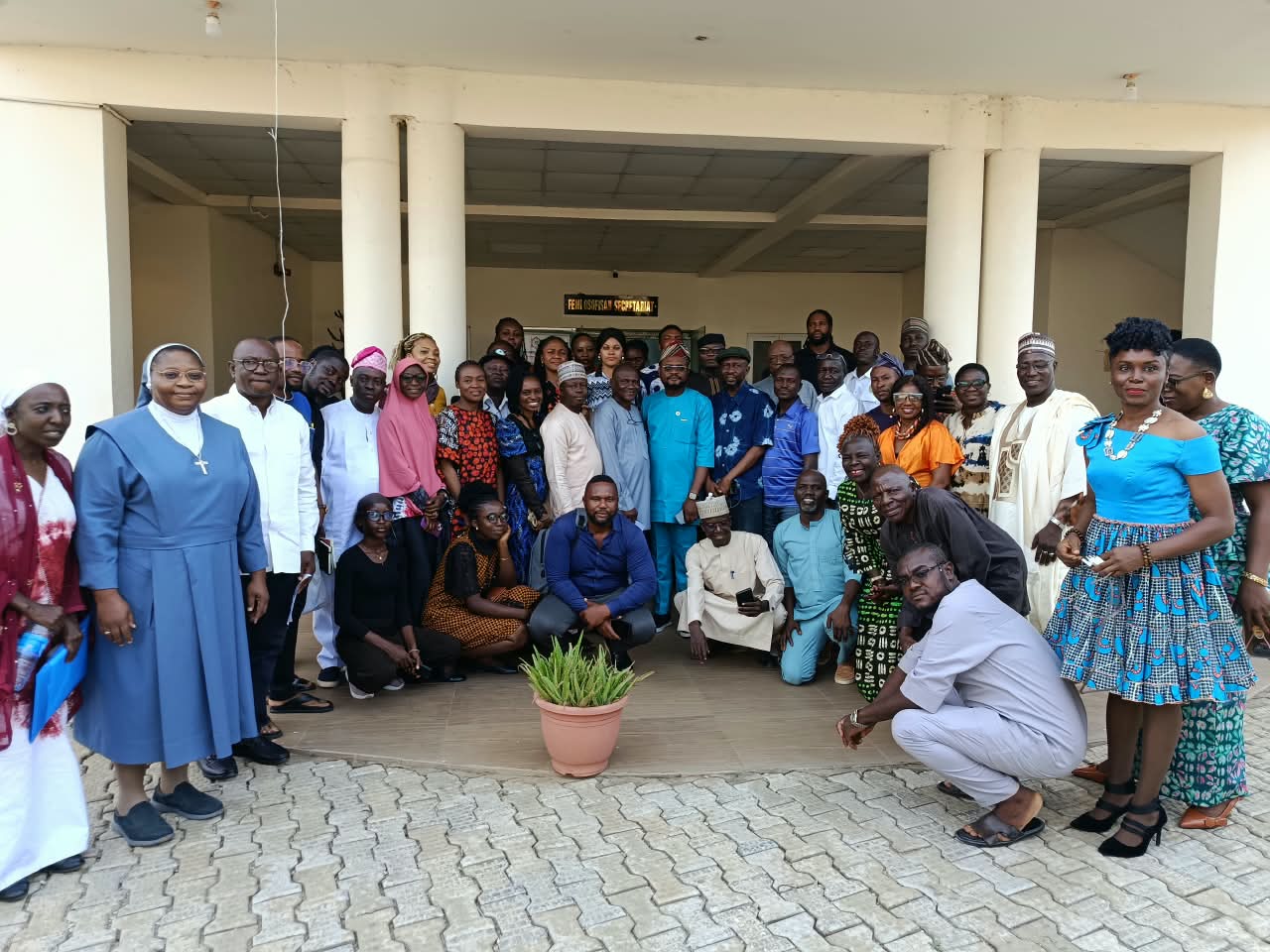
The Association of Nigerian Authors (ANA) is stepping up its game to ensure better financial accountability in its chapters. The aim is to help members protect their creative work in today's digital publishing world.
These topics took center stage in five workshops during ANA's 45th International Convention. The event was held at the Mamman Jiya Vatsa Writers Village in Mpape, Abuja, from October 28 to 31.
The sessions discussed various topics like building an image, marketing, financial planning, creating a national directory for writers, authors' rights to reproduce their work, and how to manage copyright in digital spaces.
ANA mentioned that these workshops are part of changes made after years of internal problems, poor financial records, and struggles to fund its annual events.
The association went through a serious leadership crisis after its 2018 convention in Enugu, which led to rival groups. There were also worries about how convention funds were managed and how some state chapters could not hold the annual event without help from the national body.
ANA's National President, Usman Oladipo Akanbi, said the current leadership wants to help members understand the association's original purpose and restore trust in its operations.
"One of the main goals of cleaning up the association is to help our members understand why we are here," Mr Akanbi said. "ANA is a non-governmental organisation, not a parastatal. It remains the leading literary body in Nigeria and Africa."
Financial Changes
Among the new measures are stricter rules for annual dues, standard financial records for state chapters, and formal memos to keep track of transactions and decisions.
ANA has also improved its auditing processes to make financial statements more trustworthy for local and international funding bodies.
The association reports that money from annual dues increased from around ₦3 million in 2023/2024 to ₦8 million in 2026 after these reforms.
The new system should make tracking income and spending easier while keeping financial records for future leaders.
ANA is also partnering with Bold Scholars, a digital bookstore and publishing platform, to create a national directory of Nigerian writers. This database aims to improve record-keeping in the literary community and make it easier to find information about Nigerian authors and their works.
Protecting Writers' Earnings
The convention also looked into the challenges Nigerian authors face in keeping track of their work and getting paid when their books or other materials are copied.
Representatives from the Reproduction Rights Society of Nigeria (REPRONIG) and the Nigerian Copyright Commission (NCC) trained attendees on copyright protection, secondary rights, and how to enforce these rights.
REPRONIG manages secondary rights for registered writers. These rights allow authors to earn extra income if their works are photocopied or reproduced by institutions.
Through its Digital Rights Management System, REPRONIG offers blanket licenses to universities and other organizations where published materials are often copied. This licensing allows authorized copying while also helping to distribute royalties to the authors involved.

REPRONIG keeps 30 percent of the funds collected for administration, while the rest goes to rights holders based on the information provided by the participating institutions.
REPRONIG's Acting Executive Director, Tosin Akeredolu, encouraged writers to register and upload their work details to the organization’s digital platform.
"It is hard to track any work. There is no tracker on paperback books," Mr Akeredolu said. "That is why we do blanket licensing for institutions to make sure that any copying done on their premises is legal."
Authors Urged to Protect Their Work
The NCC also reminded writers that copyright protection starts with the owners of creative works.
The commission’s Deputy Director and Head of Regulatory and Compliance, Mr Olatunji, said authors must take steps to secure their manuscripts instead of only relying on regulators after something goes wrong.
He admitted that keeping an eye on copyright violations across the country is tough due to the many entry points at seaports, airports, and land borders compared to the commission's workforce.
"Copyright is a private right. You are the first protector of your rights. You must make sure your rights are safe," he said.
Mr Olatunji advised authors to submit their manuscripts to the NCC’s digital repository for safekeeping. The copy can be updated after publication and used as proof in disputes over theft, unauthorized reproduction, or ownership.
It can also serve as a backup if an author loses the original manuscript.
Tackling Online Piracy
The NCC representative also talked about the commission’s approach to digital piracy through its Special Taskforce Against Online Piracy.
This initiative brings copyright owners, regulators, online platforms, and government agencies together to deal with the illegal distribution of creative works.
According to Mr Olatunji, the commission can act on a complaint from a rights holder or start an investigation when it spots a possible infringement.
"You or the commission might start a copyright infringement case," he said. "First, we issue the usual takedown notices. If not followed, we work with sister agencies to step in. If it goes further, we begin a full investigation and possibly prosecution."
ANA said the training was aimed at helping its members go beyond just writing and publishing. They want to understand the financial, legal, and technological systems that affect how creative work is shared and monetized.
The association hopes these reforms will boost accountability in its chapters and help Nigerian writers better protect their work and earn from it.
Comments
No comments yet.