BUA Foods plans big growth to boost Nigeria's food production and security
BUA Foods is set to expand its operations to enhance food production in Nigeria. The company plans to grow its flour milling, pasta, and noodles production.

BUA Foods Plc has shared its big plans to expand. The aim is to increase local food production, make staple foods more available, and boost Nigeria’s food security.
The company revealed these plans on Wednesday at its 5th Annual General Meeting (AGM) in Abuja. Shareholders approved a record N504 billion dividend for the 2025 financial year.
They also gave the green light to the company’s audited financial statements, re-elected retiring directors, and agreed on other important resolutions.
The approved dividend means a final payment of N28 per ordinary share. BUA Foods called this another year of strong financial performance.
During the meeting, the Chairman of BUA Foods, Abdulsamad Rabiu, said the company plans to greatly expand its flour milling and pasta production. They will also start a noodles manufacturing business, finish their edible oil operations, and set up an integrated feed mill.
Rabiu believes these projects will make BUA Foods the largest local food manufacturer in Nigeria by next year. "We are not pursuing growth simply for the sake of becoming bigger. We are pursuing growth because scale matters in an industry like ours," he said.
He added that the company’s expansion will help strengthen Nigeria’s manufacturing sector. It will also provide more value to consumers and shareholders.
"While we are proud of our financial performance, we recognize that we operate in an industry that matters for our country’s development. We have a duty to create value for shareholders and help build a stronger, competitive industry that supports Nigeria’s growth," he stated.
Rabiu pointed out that Nigeria’s food manufacturing sector is still very concentrated. A few companies control most of the market. He believes that more competition among local manufacturers will improve efficiency and encourage innovation. This, in turn, will benefit consumers with better products and prices.
"Our objective is straightforward: to build enough scale to compete effectively with every player in the market," he explained.
He believes Nigeria will gain from having strong local companies that can compete at high levels, invest for the long term, and challenge established market players.
The company mentioned that its expansion plans will greatly boost local production, widen consumer choices, strengthen supply chains, and cut down on reliance on imported foods.
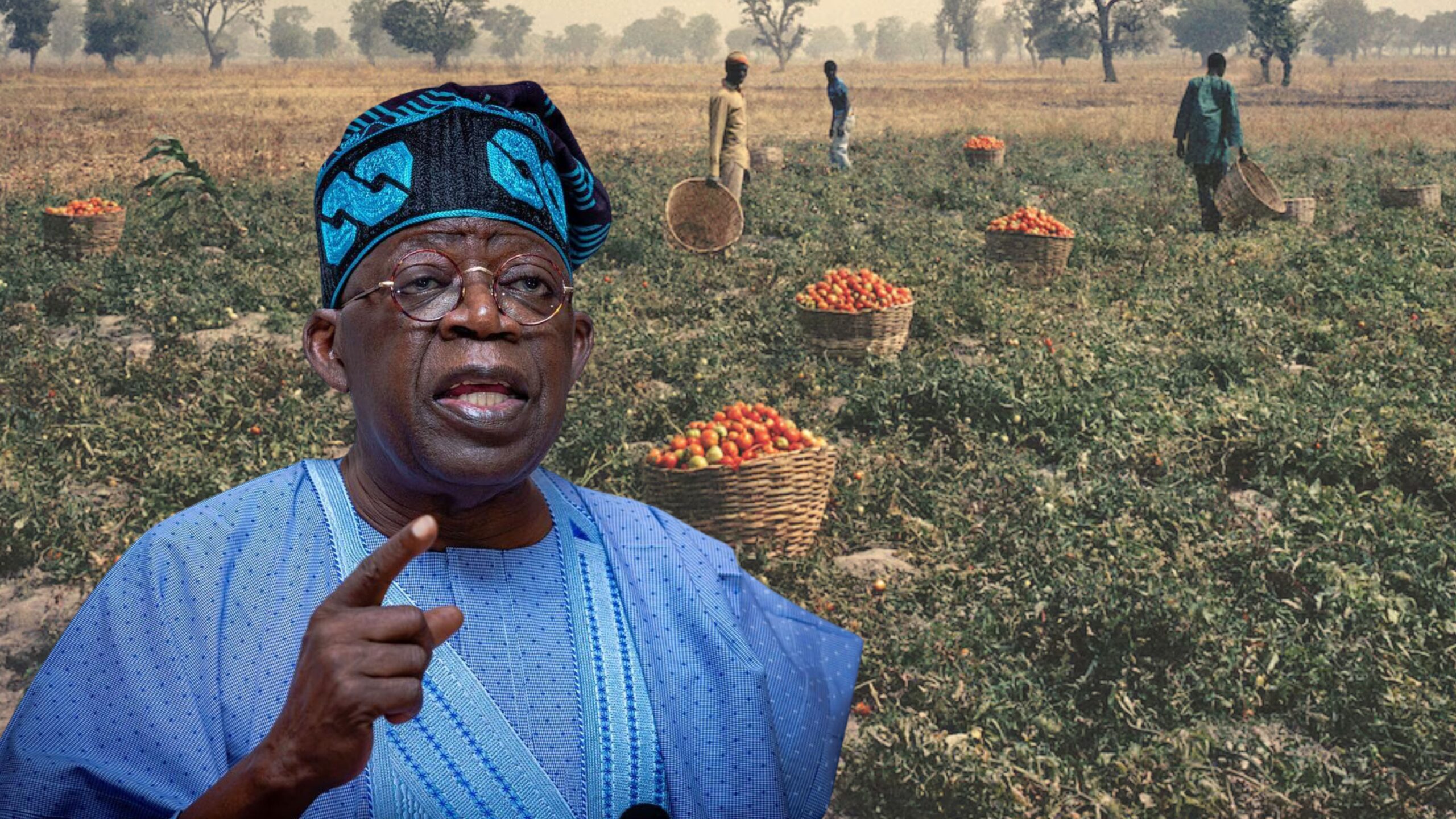

BUA Foods stated that keeping food prices affordable is key to its business strategy. This is despite inflation, fluctuating exchange rates, and rising production costs.
Instead of mainly raising prices, the company is focused on improving operational efficiency. They are also strengthening local sourcing, diversifying energy sources, and enhancing procurement processes to manage cost pressures.
The company noted that recent economic reforms have helped stabilize foreign exchange and made business planning easier. Still, global supply chain issues are affecting the costs of some production inputs.
In the next 12 to 24 months, BUA Foods aims to double production capacity for its wheat-based products. They also plan to expand into the noodles and edible oil markets to meet rising consumer demand.
After the AGM, BUA Foods Non-Executive Director, Kabiru Rabiu, called for better cooperation between the government and private sector to improve agricultural productivity and strengthen Nigeria’s food security.
He urged all levels of government to make fertilizers, herbicides, and other vital farming inputs more affordable through targeted support for farmers.
Kabiru Rabiu also identified insecurity as a major issue for agricultural production. He acknowledged the government's ongoing efforts to tackle this problem.
He further suggested that there should be more investment in irrigation infrastructure. This would help lessen reliance on seasonal rainfall and support all-year-round farming across Nigeria.
Nigeria has faced ongoing food inflation over the last two years. This is due to insecurity in farming areas, high transport and energy costs, and climate-related issues affecting agriculture.
In response, both the Federal Government and major food manufacturers are taking steps to increase local production, strengthen local value chains, and reduce reliance on food imports.
BUA Foods has become one of Nigeria’s largest food processing companies. Their operations include sugar refining, flour milling, and pasta production. The company reported revenue of N1.77 trillion for the 2025 financial year. This is a 16 percent increase from the previous year, while profit after tax surged by 95 percent to N518.4 billion. This reflects stronger operational performance and increased demand for its products.





Comments
No comments yet.