Calls for Green Jobs Policy to Fight Youth Unemployment and Climate Change in Akwa Ibom
A roundtable in Akwa Ibom emphasizes the need for a green jobs policy to combat youth unemployment and promote environmental safety.
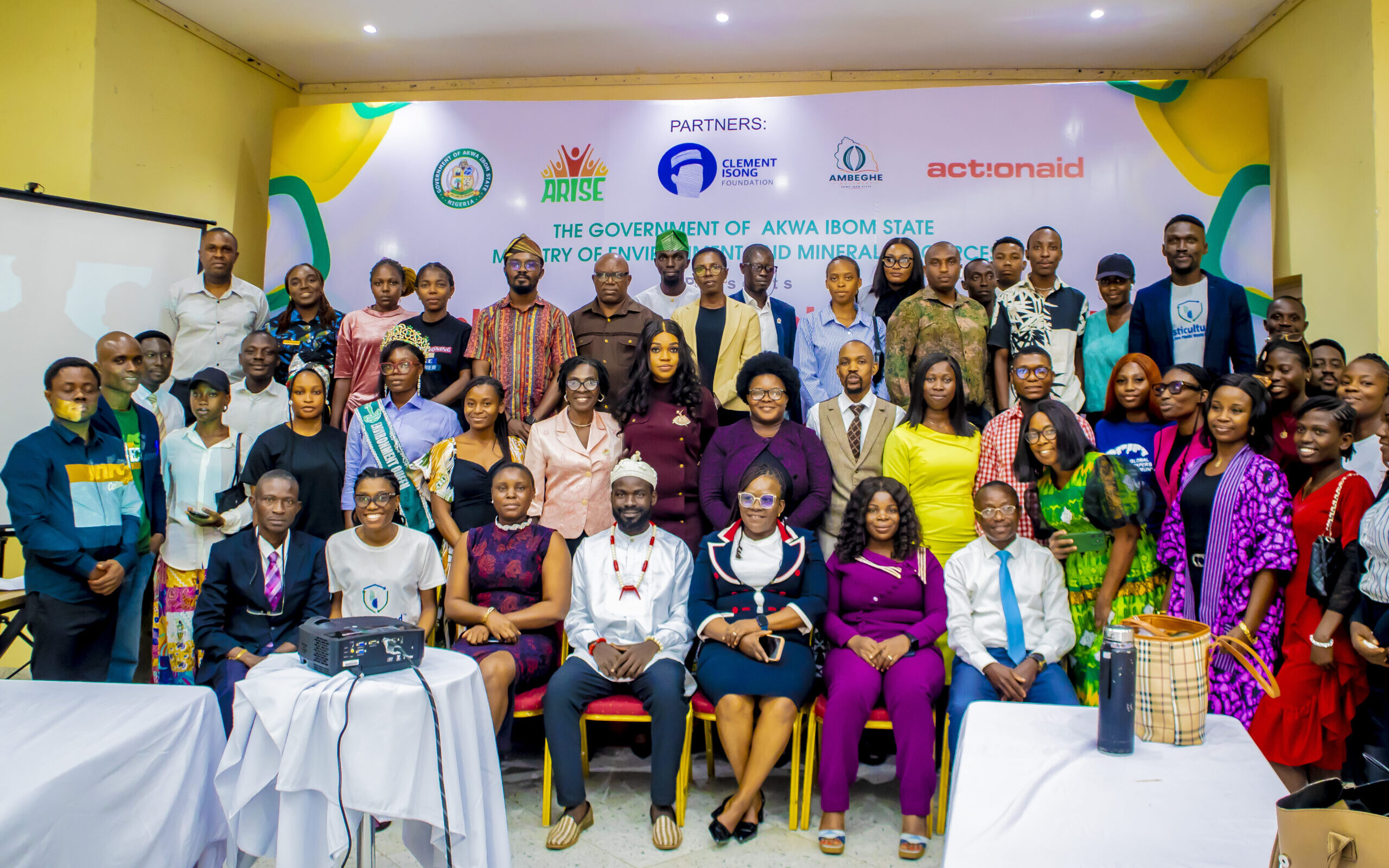
Government officials, civil society groups, development partners, business people, youth organisations, and environmental advocates met in Akwa Ibom State. They gathered under the Stakeholders’ Roundtable on Green Jobs and Enterprise Development. They want the Akwa Ibom State Government to create a climate change policy. They also want a specific plan for green jobs in the state.
They believe this move will help reduce unemployment, improve environmental safety, and place the state in Nigeria’s growing green economy.
These ideas came out of a meeting that took place on June 23 in Uyo. The Akwa Ibom State Ministry of Environment and Mineral Resources worked with the Clement Isong Foundation and the Ambeghe Movement to organise the roundtable.
The meeting brought together many groups to discuss ways to promote green jobs, climate-smart businesses, and sustainable ways of living in the state.
Participants pointed out that Akwa Ibom has a lot of natural and human resources. They said these could boost growth in the green economy. But they also noted that gaps in policies, lack of funding, and poor coordination are holding progress back.
They highlighted the need for developing green skills, creating circular economy businesses, and promoting climate-smart livelihoods. They see these as good ways to provide jobs for young people and include them in the economy.
The participants noted that the state government’s ARISE Agenda already includes climate-friendly goals that fit with the green economy. Some of these goals are erosion control, flood management, coastal protection, solar energy use, and recycling programs.
They believe these goals could help attract investments that create jobs and tackle environmental issues.
"Green jobs and enterprise development represent both an environmental necessity and an economic opportunity," the communiqué said. It added that strong policy support and partnerships are needed to unlock the potential of this sector.
The stakeholders pointed out that the state is at risk from flooding, coastal erosion, and ecosystem damage. They stressed the need to include climate safety in planning for business development.
One of the main decisions made at the meeting was a call for the Akwa Ibom State Government to develop a complete Climate Change Policy. This policy should focus on green skills, green jobs, and the circular economy.
The participants also suggested creating a Green Jobs Framework. This framework would identify key sectors, map skills with good job and funding prospects, and create pathways for young people and entrepreneurs to tap into green economy opportunities.

The communiqué also asked the Ministry of Environment and Mineral Resources to set up an annual Green Enterprise Exhibition and Innovation Fair. This fair would help youth-led green businesses gain visibility and access to markets and investments.
Stakeholders called for the strategic use of the Host Community Development Trust framework from the Petroleum Industry Act 2021. This should be a way to fund green skills development and support businesses in oil-producing areas.
They also wanted a multi-stakeholder platform to track progress, gather funding, and share data on green job projects in the state.
The participants stressed that green economy programs should include everyone. They called on policymakers to ensure that people with disabilities are part of training, funding, and market access programs.
They also pushed for structured environmental job schemes that could give immediate job chances to young people. These schemes would also strengthen environmental rules and urban sustainability.
The stakeholders highlighted the need for partnerships among government bodies, private investors, development finance institutions, and civil society groups. This collaboration is necessary to gather resources for green business development.
They also supported the showcase of youth-led green businesses that took place during the roundtable. They described it as proof of the creativity and entrepreneurial spirit among the youth in the state.
As a result of the event, participants set up a Committee on Green Jobs, Climate Action, and Sustainable Enterprise Development. This committee will oversee the implementation of the resolutions and plan future meetings.
They are hopeful that ongoing teamwork among stakeholders will turn policy talks into real programs that create jobs, attract investments, and improve the environment.
The communiqué ended by stating that a green economy is key to Akwa Ibom State’s long-term success and safety. It noted that the success of this transition depends on turning promises into real, measurable actions.




Comments
No comments yet.