CBN sets new rules for BDCs to buy forex from banks, adds tracking system
The Central Bank of Nigeria has set new guidelines for Bureau De Change operators to enhance forex purchases from banks. This includes a new tracking system for transparency.
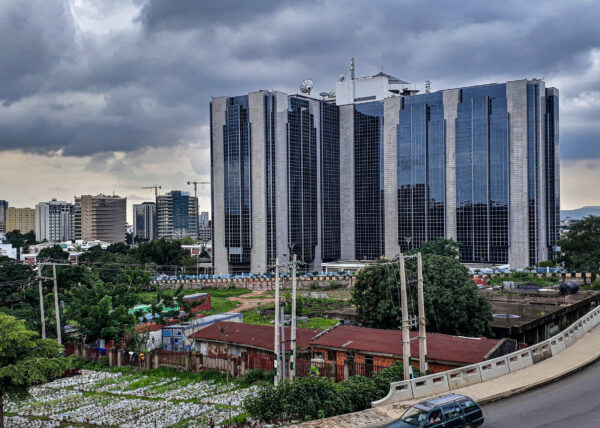
The Central Bank of Nigeria (CBN) has released new rules for Bureau De Change (BDC) operators on how to buy foreign exchange from authorized dealer banks through the Nigerian Foreign Exchange Market (NFEM).
This new system includes an electronic tracking portal and requirements to make the retail foreign exchange market more open, efficient, and liquid.
In a letter sent to authorized dealer banks and licensed BDC operators on Thursday, the CBN explained that these guidelines follow its February 10 announcement, which allowed BDCs to access foreign exchange from the NFEM through authorized dealer banks they choose.
The CBN stated that the new rules give regulatory guidance and steps for carrying out this policy. It aims to support ongoing liquidity in the retail segment of the foreign exchange market.
The CBN added that these guidelines take effect immediately. They apply to all licensed BDCs, authorized dealer banks, and all foreign exchange transactions between them through the NFEM.
New System
Under this new system, the CBN will introduce a centralized electronic platform called the FX BDC Purchase Tracker (FXBT). This platform will allow BDCs to submit purchase requests online and provide real-time transaction data for monitoring.
The CBN emphasized that every licensed BDC can buy foreign exchange from any authorized dealer bank. Banks must not make exclusive arrangements or charge referral fees.
“No Authorized Dealer Bank shall impose exclusivity arrangements, referral fees, or any condition that restricts a BDC’s freedom to select its preferred counterparty bank,” the CBN said.
Eligibility Requirements
The CBN explained that only BDCs with valid and active licenses can join this new system. Operators facing regulatory actions or with suspended licenses cannot participate until those issues are resolved.
Before any foreign exchange transaction, authorized dealer banks must carry out Know Your Customer (KYC) and Customer Due Diligence (CDD) checks on BDCs.
Banks must also collect and keep the BDC’s license certificate, Tax Identification Number (TIN), Corporate Affairs Commission (CAC) documents, ownership information, and details of key officers.
The CBN noted that enhanced checks should be done for higher-risk BDCs. KYC records must be updated every year or whenever there are major changes in ownership or management.
“No foreign exchange shall be disbursed to any BDC that has not satisfied the Bank’s KYC and due diligence requirements,” it stated.
Settlement Rules
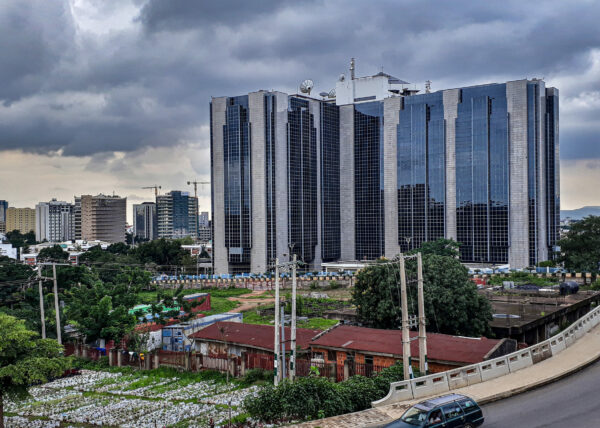
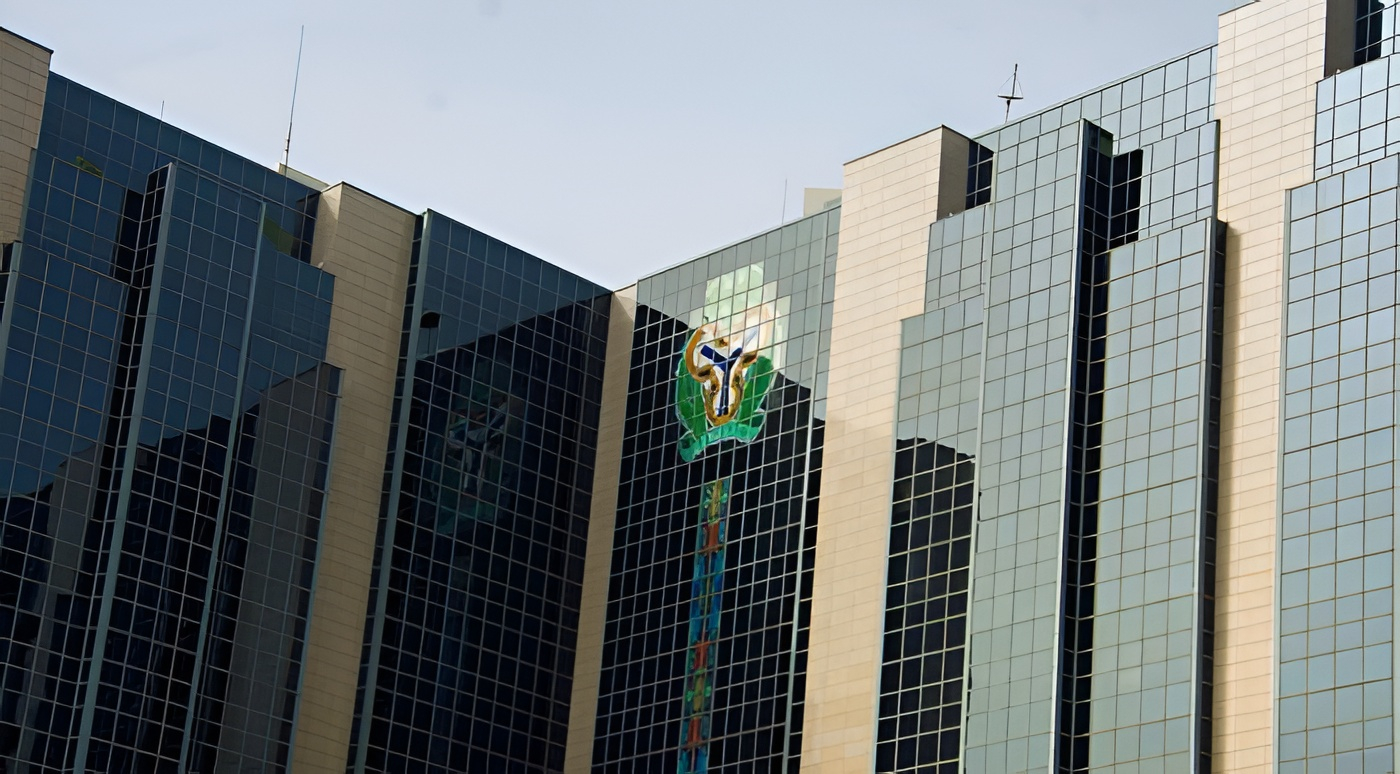
The new guidelines say authorized dealer banks must acknowledge purchase requests within two business hours through the electronic portal. They should also quickly inform BDCs if their requests are approved or rejected.
If a request is rejected, banks must explain why. This could be due to incomplete KYC documents, unresolved compliance issues, internal risk factors, or if the BDC has already hit its weekly $150,000 purchase limit with another bank.
The CBN also said that all settlements between banks and BDCs, and between BDCs and their customers, must happen only through accounts held with licensed financial institutions.
It banned third-party transactions. Foreign exchange bought by a BDC must go into its own registered settlement account.
“Disbursement to any account other than the BDC’s own registered account shall constitute a regulatory violation and shall be reported immediately to the CBN,” the guidance said.
The CBN further instructed BDCs not to keep any unused foreign exchange from the NFEM.
It said any balance not used must be sold back to the market within 24 hours after the allowed time period.
“Failure to comply shall attract regulatory sanctions, including but not limited to forfeiture of the unutilised balance and suspension of the BDC’s NFEM access,” the CBN added.
The bank clarified that the 24-hour rule also applies to foreign exchange obtained from other sources.
Reporting and Sanctions
Under the new rules, licensed BDCs must keep submitting weekly electronic reports to the CBN. These reports should show the total foreign exchange purchased, sales to end-users, unutilised balances, and how they were handled.
The CBN warned that breaking these rules could lead to penalties under the Banks and Other Financial Institutions Act (BOFIA) 2020 and the Foreign Exchange Act.
Penalties might include fines, suspension of NFEM access, withdrawal or suspension of BDC licenses, revocation of authorized dealer status for banks involved in violations, and referral to law enforcement if criminal activity is suspected.
The Trade and Exchange Department will monitor compliance through inspections that can happen without notice.
The CBN added that while BDCs can keep their current relationships with authorized dealer banks, all new transactions must follow the new rules starting now.




Comments
No comments yet.