COP31: Key Issues in Climate Talks in Turkey
The COP31 climate talks in Turkey are marked by disagreements on key issues like climate finance and fossil fuels. Delegates express frustration as discussions unfold.
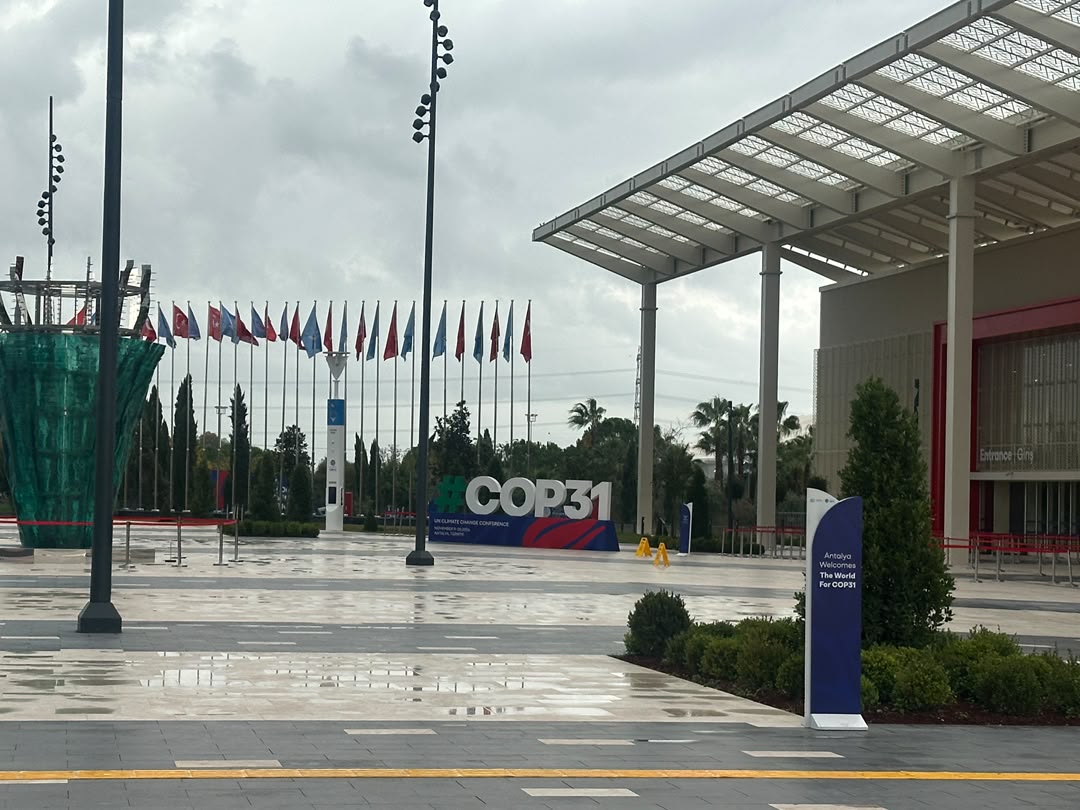
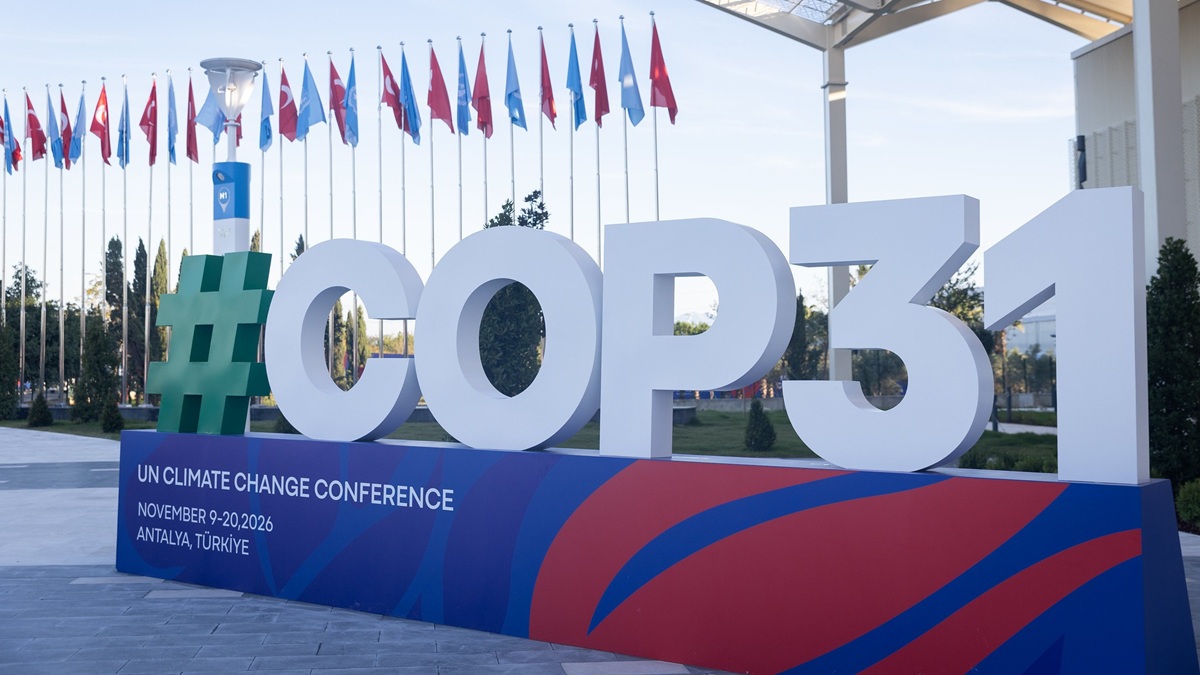
The ongoing United Nations Climate Change Conference (COP31) in Antalya, Türkiye, is heating up with serious discussions. Delegates are split on issues like climate finance, fossil fuels, adaptation, and other important topics.
The third draft came out at around 3 a.m. Turkish time on Sunday. It was meant to be the final version before talks resumed at a plenary set for 6 a.m. local time. But as the time passed, uncertainty grew among delegates, observers, and participants about what would happen next.
By nearly 1 p.m., only a few delegates and observers were left at the venue. Many had left Antalya due to frustration, tiredness, and worries about the talks' outcomes.
COP leaders have told everyone that they are close to an agreement. But disagreements persist, with some observers blaming Saudi Arabia, Russia, and India for causing delays.
Others claim developed countries are creating divisions among developing nations on key matters like climate finance, adaptation, just transition, and technology transfer.
As the parties get ready to discuss the latest draft, these issues are expected to take center stage.
1. Climate finance and adaptation funding
The draft does not commit to the $120 billion yearly adaptation finance target that developing countries want. Instead, it suggests talking about ways to increase adaptation support under the climate finance program.
A new part encourages countries to give or continue giving climate finance voluntarily. It also mentions Article 9.1 of the Paris Agreement, which requires developed countries to provide financial help to developing ones.
But the draft takes out an earlier call for fully implementing Article 2.1(c). This article aims to align financial flows with low-emission and climate-resilient growth.
2. Fossil fuel transition
The draft does not directly call for phasing out fossil fuels, but it refers to the COP28 UAE consensus. This includes a call for a “just, orderly, and equitable” shift away from fossil fuels.
However, it does not clearly push for the Brazil-led plan for a global roadmap to move away from fossil fuels. This leaves how countries should speed up this shift still unclear.
PREMIUM TIMES reported that at COP28 in Dubai last December, the then COP President, Sultan Al Jaber, broke a major deadlock by moving formal talks into an open, circle-style Emirati “Majlis.” This led to the historic UAE Consensus. Murat Kurum of Turkey and Chris Bowen of Australia are now facing pressure to make this year's summit a success, as many observers are already calling COP31 a “failed COP.”
3. Loss and damage funding
The draft encourages more efforts to increase resources for the Loss and Damage Fund. This fund helps vulnerable countries hit by climate change.
But it removes references to existing pledges to the fund. It notes that only about half of the $822 million pledged has turned into contributions.
It also drops mentions of the underfunding of the Warsaw International Mechanism (WIM) and the Santiago Network. This raises concerns about whether the draft properly addresses the financial needs of vulnerable countries.
4. The 1.5°C goal and overshoot
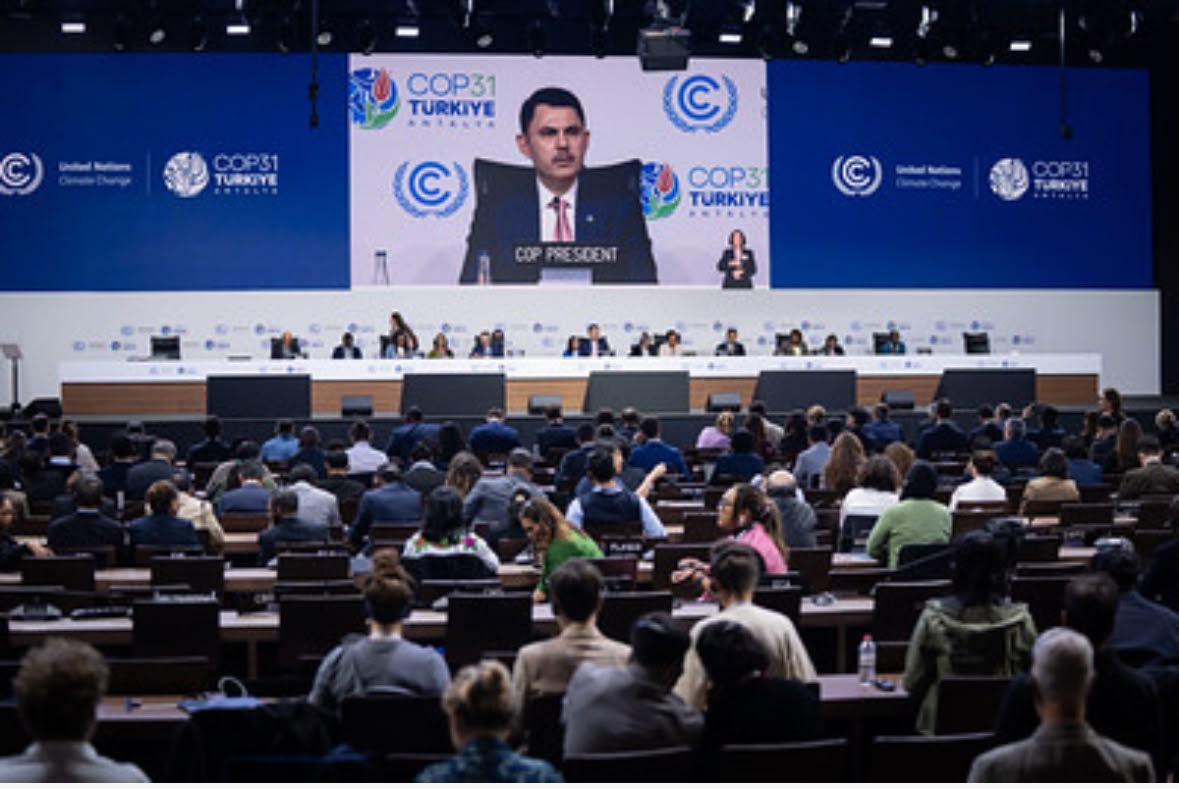
The draft reaffirms last year's agreement to limit the extent and duration of overshooting the 1.5°C limit.
It also suggests starting a high-level dialogue at COP32 about the science behind the 1.5°C goal and temperature overshoot. This replaces an earlier idea for a more permanent program on the issue.
This issue is crucial as countries face the growing chance of exceeding the temperature limit set by the Paris Agreement.
5. Just transition and electrification
The new draft keeps parts about just transition. It highlights that pathways based on fairness and science can speed up climate action and lead to better results.
It also keeps the proposed “35 by 35” electrification goal and calls for better international cooperation to expand clean energy and low-emission technologies.
But the electrification target is included in a broader, weak paragraph. This makes it seem more like a suggestion than a solid commitment.
Other notable provisions
Besides these five main areas, the third draft includes other provisions that could affect COP31’s outcome.
On trade, it acknowledges that trade measures may impact developing countries and encourages input from organizations like the World Trade Organisation (WTO).
On energy transition, it notes that the move towards low-greenhouse-gas emissions and climate-resilient growth is unstoppable.
The text also suggests a two-year work program on mountains and climate change. It keeps parts about carbon dioxide removal technologies but stresses that these must not delay or replace deep emissions cuts.
It removes specific targets for carbon capture, utilization, and storage (CCUS), including the proposed goal of reaching one billion tonnes globally by 2035.
On COP reform, it keeps plans for discussions alongside COP32 and COP33, with a report on the talks to be looked at during COP34 in 2029.
The third draft is presented as a decision of the Conference of the Parties meeting as the meeting of the Parties to the Paris Agreement (CMA 8).
While it still mentions fossil fuel transition, just transition, adaptation finance, and electrification, removing specific financial targets and commitments leaves many key demands from developing countries open.
PREMIUM TIMES noted that the latest draft is a 94-paragraph, 10-page document, expected to be the basis for the final agreement. It is mainly a revision of earlier drafts criticized for lacking ambition, especially on fossil fuel transition and climate finance.
Get more stories like this on your home page
How this story developed
- COP31: Key Issues for Climate Talks in Türkiye
COP31: Key Issues in Climate Talks in Turkey (this story)

Comments
No comments yet.