Edo Consumer Protection Committee and NAFDAC in Dispute Over Enforcement Actions
The Edo CPC has rejected NAFDAC's warning about its enforcement activities. The committee aims to protect consumer rights and health in Edo State.
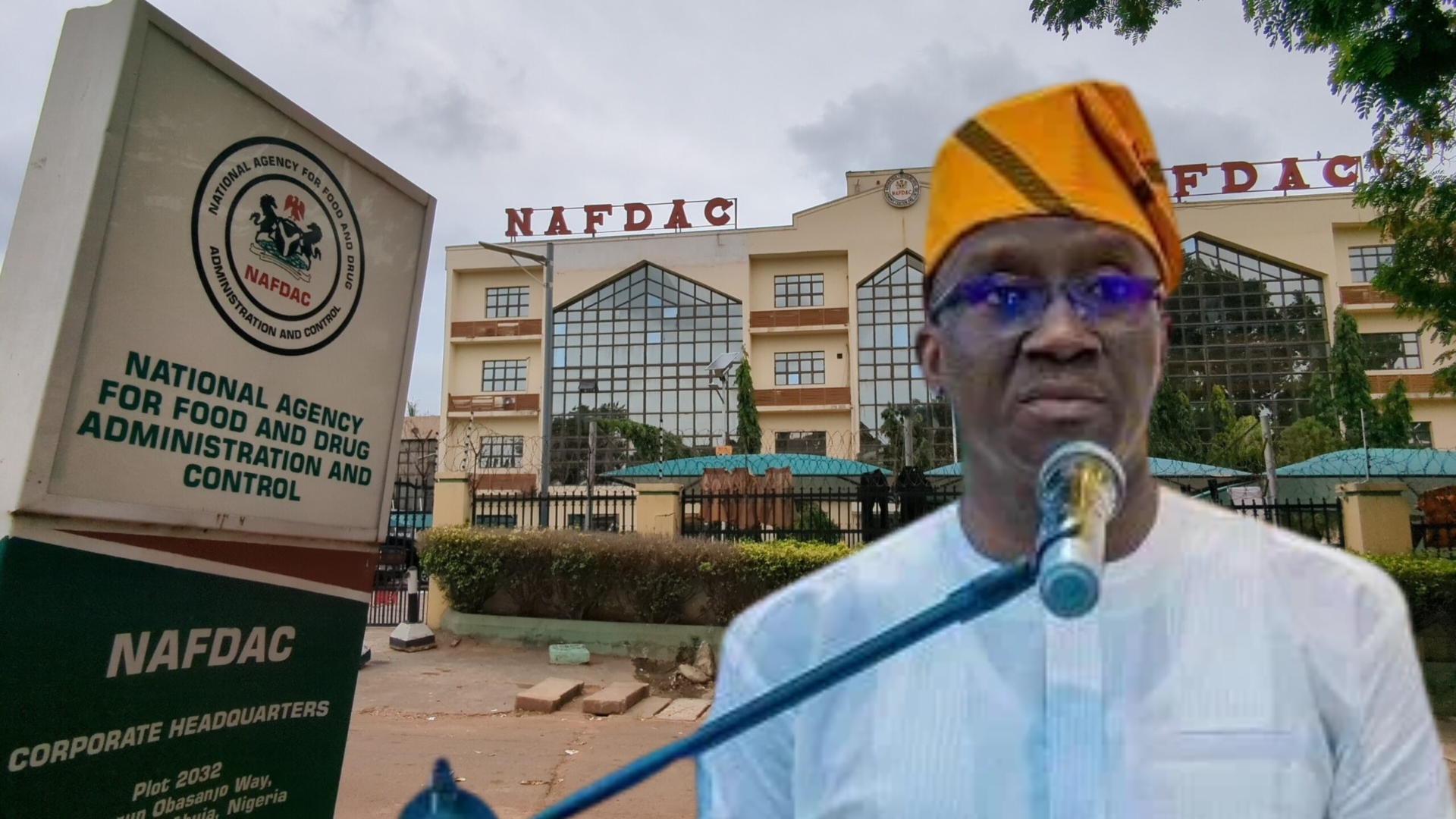
The Edo Consumer Protection Committee (Edo CPC) has rejected a warning from the National Agency for Food and Drug Administration and Control (NAFDAC) about its enforcement activities.
The committee’s chairman, Osaro Iyamu, made this known on Tuesday.
Mr Iyamu’s statement came after NAFDAC Director-General, Mojisola Adeyeye, said the agency is responsible for protecting consumers in Edo State.
Reports say the disagreement started after the Edo committee seized products, closed business locations, and made public statements about the safety of regulated goods, especially Arden Table Water.
In her Tuesday statement, NAFDAC Director-General, Mrs Adeyeye, a professor, warned the committee against taking enforcement actions on regulated products without the agency’s permission.
In a statement shared with the News Agency of Nigeria (NAN), Mr Iyamu said the committee never claimed to act on behalf of NAFDAC. He noted that the Edo State Government set up the committee to protect consumers' health and rights.
“The committee was established by Governor Monday Okpebholo to promote consumer protection and fair business practices in line with the administration’s SHINE Agenda,” he said.
Mr Iyamu argued that the committee’s work is meant to support the efforts of relevant regulatory bodies, not take over their roles.
“The committee’s findings during an enforcement exercise revealed negligence by the company’s management toward consumer safety,” he said.
The Edo CPC chairman disagreed with NAFDAC’s report about where the enforcement took place, saying the committee operated at Owoseni Street, near the New Benin area of Benin City, not in Asaba, Delta.
On Arden Table Water, Mr Iyamu challenged NAFDAC’s statement that its sachet water registration is valid while its bottled water is being renewed.
He argued that the ongoing renewal process does not clear the company of the alleged violations found during the committee’s enforcement actions.
Mr Iyamu claimed that the company’s management admitted to the alleged wrongdoing during and after the enforcement exercise, but he did not provide proof or details of this admission.
He questioned NAFDAC’s view on its product verification and authentication systems. He said the committee’s push for manufacturers and distributors to update their registrations supports the agency’s goals.
“The committee will continue its consumer protection activities with relevant government bodies and organizations,” he said.

Meanwhile, Mrs Adeyeye, in her Tuesday statement, warned that access to NAFDAC’s product authentication tools, like the Automated Product Administration and Monitoring System, QR code scanners, and SMS verification services, does not grant the committee enforcement powers.
The director-general maintained that failed QR code scans, missing registration details, or differences in product information are not enough to label a product as counterfeit, adulterated, or substandard.
She said these issues need more investigation and, when necessary, lab tests before any final conclusions are made.
Mrs Adeyeye also criticized the committee for seizing regulated products, closing business premises, and imposing fines without proper authorization or guidance.
“The regulation of food, drugs, and related products is on the Exclusive Legislative List, which makes it a federal responsibility,” she stated.
On Arden Table Water, Mrs Adeyeye clarified that the sachet water, with registration number D1-3016L, has valid registration, while the bottled water, with registration number D1-3065, is undergoing renewal.
She expressed worry about reports that the committee had shut down Chepfets Mega Investment Nigeria Ltd., the manufacturer, imposed a fine, and made arrests without first checking with NAFDAC.
The director-general said that the lack of an updated status on the agency’s NAPAMS portal does not mean a product is unsafe, ineffective, or substandard.
Mrs Adeyeye then appealed to Governor Okpebholo to review the committee’s actions and direct it to seek NAFDAC’s clarification before taking enforcement actions on regulated products.
She also mentioned that an investigation into the dispute has started, including looking into the involvement of its Zonal Enforcement Team in Asaba and whether there was any formal relationship or authorization with the committee.
The director-general reaffirmed NAFDAC’s support for consumer protection efforts and collaboration with state governments but insisted that such partnerships must follow the law and regulations.
She advised manufacturers to start the registration renewal process at least six months before it expires to allow enough time for processing.
“Traders, distributors, healthcare providers, and the public should report suspected counterfeit, unregistered, or substandard products to NAFDAC instead of acting on their own,” she urged.






Comments
No comments yet.