Ex-Minister Encourages Youths to Get Involved in Politics
Prof. Abubakar Sulaiman urges Nigerian youths to get involved in politics. He believes real change comes from participation, not just activism.
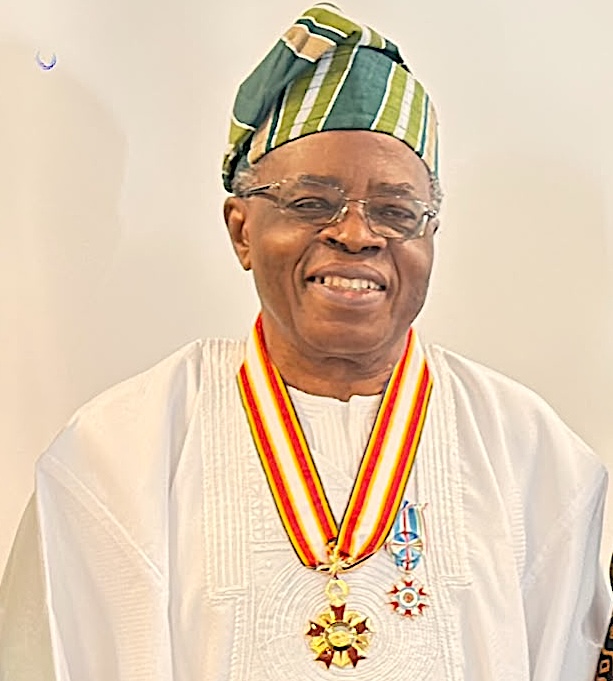
A former Minister of National Planning and Director-General of the National Institute for Legislative and Democratic Studies, Prof. Abubakar Sulaiman, on Thursday urged Nigerian youths not to turn their backs on the country’s democratic process out of frustration. He said real change can only happen when young people take part in politics.
Sulaiman acknowledged that many young Nigerians feel disappointed with how democracy is developing, but he believes that staying away from politics will only make things worse.
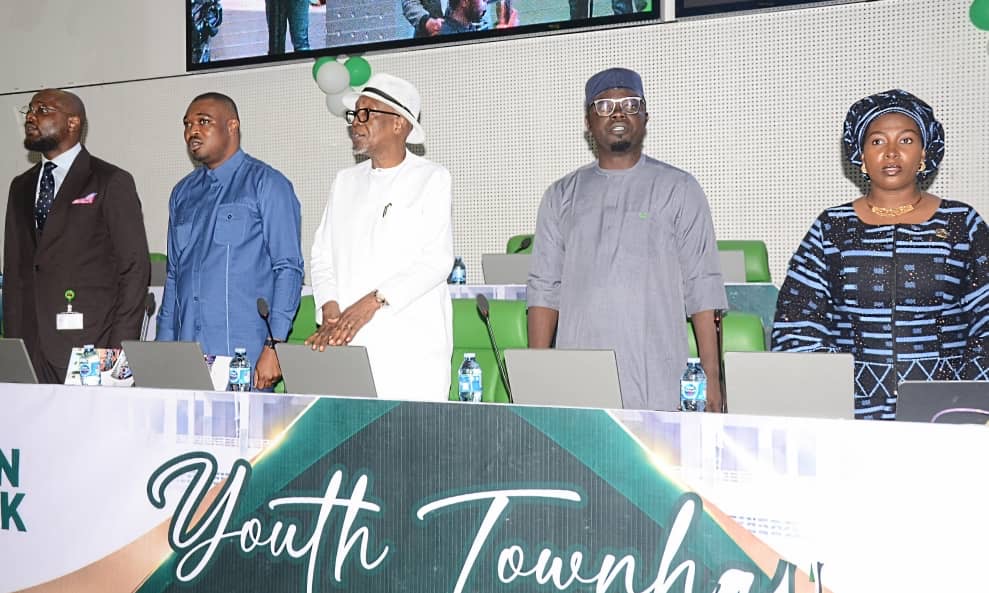
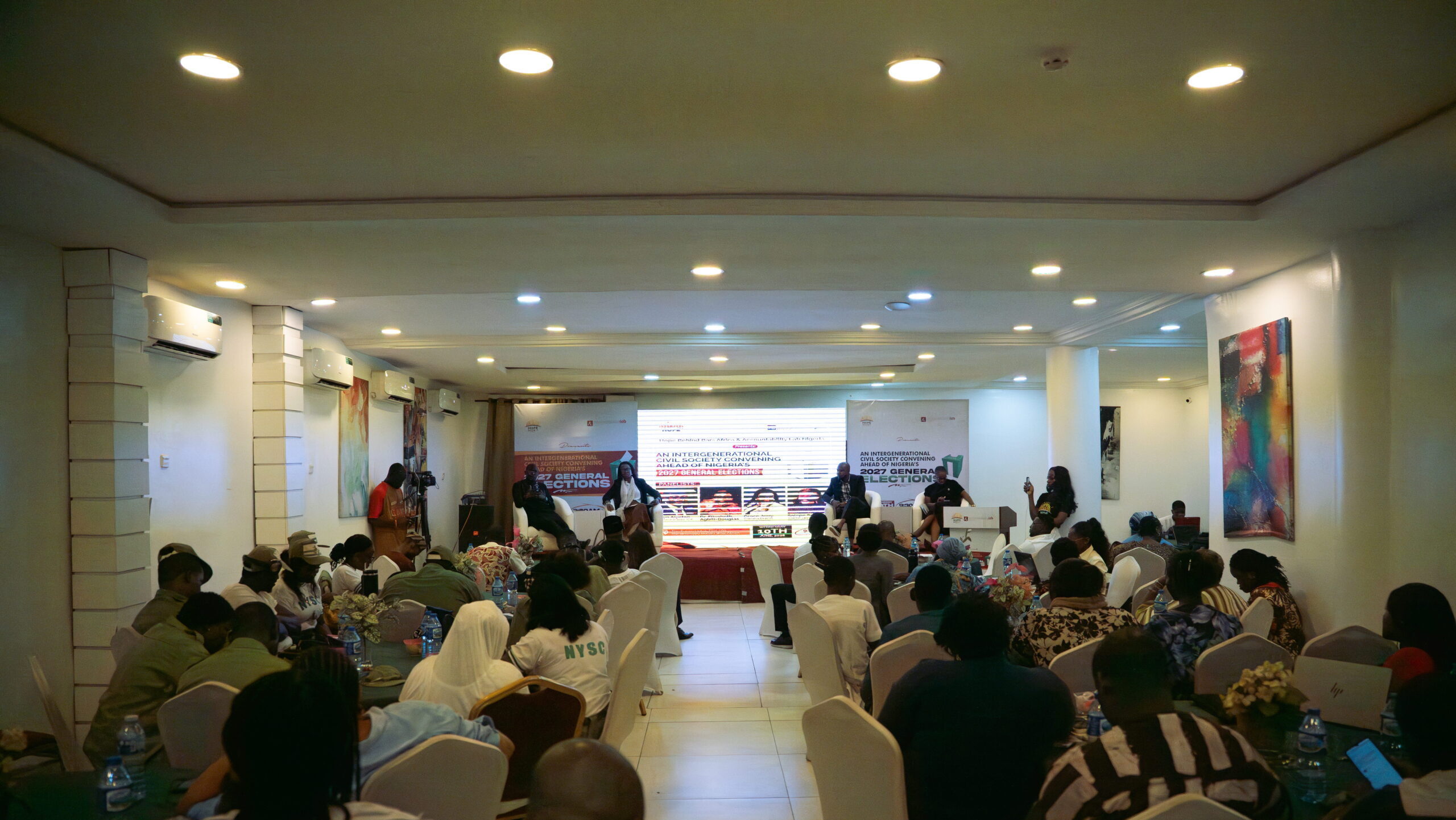
He made these comments in Abuja during an event marking his seven years as Director-General of NILDS and the launch of a book on the institute’s history.
During a discussion, Sulaiman said activism alone won’t change society. He stressed that young people must get involved in decision-making institutions, not just protest on the streets.
He said, “Young Nigerians should never abandon the democratic process. If you condemn the system and refuse to participate in it, you cannot change it.
“Activism has its place. Many of us were activists before joining politics. But there comes a time when you must move beyond protest and become part of the decision-making process.
“You cannot reform a system from the outside alone. You must engage with it. Young people should participate in political parties. They should contest elections. They should aspire to leadership. If our generation could make it despite the challenges we faced, today’s young Nigerians can also succeed.”
The former minister stated that Nigeria’s democratic future relies on a new generation of leaders prepared for public service, rather than just criticizing on social media.
Reflecting on his time at NILDS, Sulaiman said mentorship and human capital development were his top achievements. He focused on ensuring that both academic and non-academic staff had opportunities to grow.
He noted that while infrastructure often gets attention, investing in people leaves a lasting impact. “I call it my staff-centred policy. People celebrate buildings and reforms, but they forget the drivers, the gardeners and the cleaners who keep the institution running.
“Before I came here, opportunities for non-academic staff to pursue higher education were extremely limited. We changed that. Today, several non-academic staff members have earned Master’s degrees and PhDs because we deliberately invested in their development,” he stated.
Sulaiman also talked about the personal sacrifices that come with public service. He described leadership as a role that requires giving up certain freedoms.
“Public service comes with enormous sacrifice. It affects your freedom, your personal life and even the people you can freely associate with,” he said.
“Service to humanity and national development has taken a great deal from me, including precious time with my family.”
On who comes next, he said it’s important for leaders to prepare their successors. He expressed his willingness to share both his successes and failures with the next person in charge.
“My successor should learn from both my achievements and my mistakes. Leadership is a relay race. The baton must always be passed responsibly,” he said.
Looking ahead, Sulaiman wants to turn NILDS into Africa’s top institution for legislative studies and democratic governance.
“I want NILDS to become Africa’s leading centre for legislative studies and democratic governance. I see an institution that serves not only the Nigerian Parliament but legislatures across Africa and eventually democratic institutions around the world.
“I see NILDS becoming a global intellectual hub for democracy.”
In his keynote speech, former senator Shehu Sani praised Sulaiman for turning NILDS into what he called the “engine room” of Nigeria’s Parliament.
Sani said the institute is now a key resource for lawmakers and democratic governance through research, documentation, and capacity building. He encouraged young politicians and those wanting to be lawmakers to use the institute’s resources.
He pointed out that the realities of Nigerian politics often differ from what is taught in textbooks. “Politics requires understanding realities that are rarely written in textbooks,” Sani said.
“The National Institute for Legislative and Democratic Studies has become the engine room of the National Assembly. If Parliament is left entirely to politicians without intellectual support, there will be no direction.”
He also urged Nigerian youths to go beyond online activism by preparing themselves for leadership through knowledge, mentorship, and active participation in democracy.
Sani noted that even though Nigeria faces many challenges, its citizens should be proud of the country’s democratic journey and its contributions to Africa’s liberation struggles. He insisted that Nigeria's greatest need is still visionary leadership.

Comments
No comments yet.