FCMB and partners plan to boost Nigeria’s health sector
The FCMB Healthcare Summit in Lagos focused on improving Nigeria's healthcare sector by launching a N20 billion fund for private businesses. Stakeholders discussed the need for better funding and governance.
Nigeria’s healthcare sector needs more than just extra funding to grow. It needs businesses that can attract money, use it well, and build strong institutions that can thrive over time, according to healthcare stakeholders.
This challenge was discussed at the first First City Monument Bank (FCMB) Healthcare Summit in Lagos. At the event, the bank launched a N20 billion Healthcare Fund aimed at supporting private healthcare businesses.
The fund will provide loans to hospitals, clinics, diagnostic centres, pharmaceutical companies, pharmacies, maternity homes, and other businesses in the healthcare sector.
The summit was themed “Financing Growth: Unlocking Opportunity, Building the Future of Healthcare.” It brought together government officials, healthcare providers, investors, banks, and development partners to discuss how more private money can flow into Nigeria’s health sector.
A key point in the talks was the ongoing funding issue. Healthcare providers often find it hard to get affordable, long-term loans. At the same time, lenders and investors want better governance, financial transparency, and solid business structures before giving out funds.
“Healthcare is a social necessity and an economic priority,” FCMB Managing Director and Chief Executive Officer Yemisi Edun said through Executive Director, Corporate Services and Service Management Felicia Obozuwa. “Building a strong healthcare system requires patient, affordable, and long-term capital.”
Mrs Edun pointed out that just having funding is not enough. Healthcare businesses also need good governance, strong leadership, and smart partnerships to build lasting institutions.
With the new fund, FCMB plans to finance building projects, medical equipment, working capital, technology use, and other investments to improve efficiency and service.
Government investment
The Minister of State for Health and Social Welfare, Iziaq Salako, mentioned that over N339 billion has been spent through the Basic Healthcare Provision Fund in the last 12 years.
He added that N235 billion was used in the past three years under the Nigeria Health Sector Renewal Investment Initiative.
Mr Salako also shared that another N32.9 billion was recently distributed to support more than 8,300 primary healthcare centres. The government is aiming for about 13,000 facilities nationwide.
In addition to healthcare facilities, the government wants to boost local production of medicines and medical equipment.
Under the Presidential Initiative for Unlocking the Healthcare Value Chain, Nigeria aims to produce 70 percent of medicines and medical devices locally by 2030.
Mr Salako also pointed out initiatives aimed at solving power supply issues in healthcare facilities and creating long-term procurement chances for local makers.
Making healthcare businesses bankable

For private healthcare operators, getting affordable loans remains a major hurdle for growth.
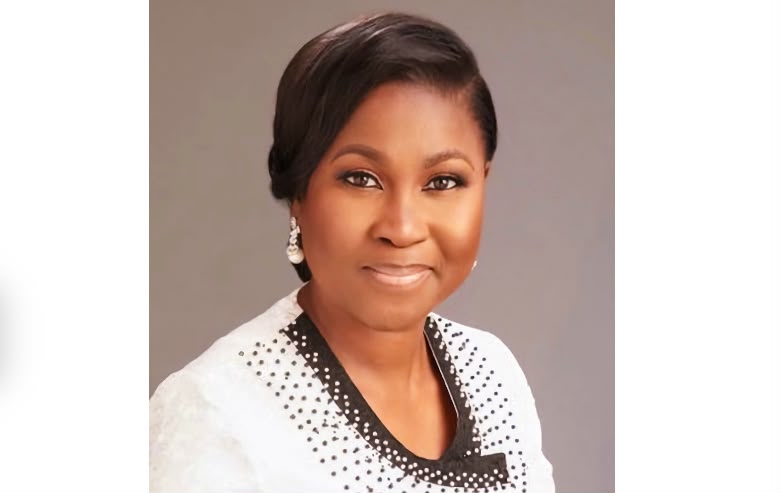
The President of the Healthcare Federation of Nigeria (HFN), Njide Ndili, said that affordable, long-term financing is one of the biggest challenges for private healthcare businesses.
She noted that their partnership with the PharmAccess Medical Credit Fund showed that small and medium-sized healthcare businesses can become bankable when financing is paired with technical support, capacity building, and quality standards.
The challenge is not just about increasing the available money. It is also about preparing businesses to attract and manage investments.
HFN plans to work with FCMB to create a framework for qualifying eligible healthcare facilities and helping businesses become ready for investment.
The federation, which includes over 400 member organizations and 4,000 professionals, will assist businesses in improving governance, financial reporting, management skills, and growth plans before they seek financing.
From survival to scale
Talks at the summit focused on how healthcare operators can move beyond just managing day-to-day challenges and build institutions that can attract long-term investment.
Participants looked into blended finance, alternative lending methods, and public-private partnerships as possible ways to draw in more domestic and international investment.
An executive discussion about building healthcare businesses that attract investment also stressed the need for good management, governance, risk management, and clear growth plans alongside clinical performance.
Four main priorities came out of the discussions: expanding access to suitable capital, improving the bankability of healthcare businesses, strengthening public-private partnerships, and boosting local production of pharmaceuticals, diagnostics, and medical equipment.
FCMB’s N20 billion fund fits into this larger plan, adding private financing to government investment for businesses looking to expand, buy equipment, use technology, and enhance service.
The summit was held with the Health Business Academy for Africa.
For stakeholders, the next step is to turn the financing promises and partnerships made at the summit into stronger healthcare businesses and better capacity across the sector.
The overall aim is to create a healthcare system where stronger institutions, sustainable financing, and strategic partnerships lead to better access to quality healthcare for Nigerians.
Get more stories like this on your home page
How this story developed
FCMB and partners plan to boost Nigeria’s health sector (this story)
- FCMB and Partners Work to Boost Nigeria's Health Sector





Comments
No comments yet.