FG and Lagos State Approve Makoko Land Reclamation Project
The Lagos State Government has confirmed that the Makoko land reclamation project has received all required approvals from both state and federal authorities.
The Lagos State Government has defended the ongoing land reclamation at the Makoko waterfront near the Third Mainland Bridge. They say the project has all the necessary approvals from both the state and federal government before work started.
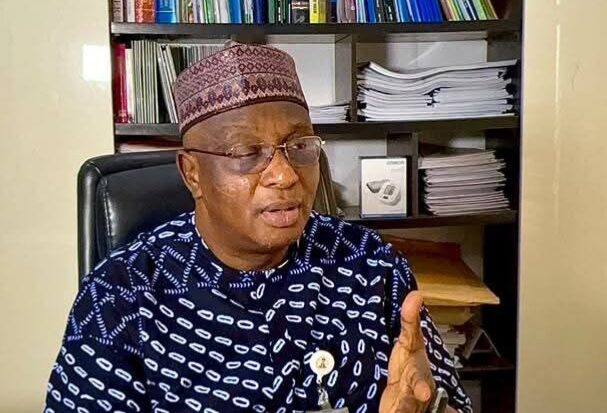
Dayo Alebiosu, the Commissioner for Waterfront Infrastructure Development, spoke on Wednesday during Morning Brief, a programme on Channels Television. He explained the project is located around the Ebute Meta and Lagos Island interchange. FBT Coral, a private developer, is handling the work and followed all required processes before starting.
“The reclamation work you see in Makoko around the Third Mainland Bridge is being handled by FBT Coral. They got approval from the federal government and also obtained the necessary clearance from the Lagos State Government,” he said.
The commissioner noted there were concerns from the Federal Ministry of Works. They worried that dredging activities close to the Third Mainland Bridge could damage the bridge. But he clarified that investigations found the developer was not dredging near the bridge. They are pumping sand from locations several kilometres away to the reclamation site.
He added that before approval, the project went through an Environmental Impact Assessment and got the necessary drainage clearance. Mr Alebiosu said the Lagos State Government even paused the project for about a year. This delay allowed the developer to get extra clearance from the Federal Ministry of Works.
Later, the ministry set up a technical committee to review the project. After this review, the developer was allowed to continue work. “Every relevant agency came together, assessed the project and agreed it could proceed. It is therefore not my place to describe it as an illegal development,” he stated.
The commissioner also emphasized that the state is serious about stopping illegal dredging. He mentioned his ministry has not issued any dredging permits since he became commissioner. He pointed out that recent surveys showed sand in Lagos waterways is being used up, making it necessary for operators to go farther offshore for sand.
“I have not issued one dredging permit in my ministry. The bathymetric survey showed us that where operators used to pump sand from about three kilometres away, they are now going as far as 14 kilometres. That tells us we are gradually running out of sand, and everyone must join hands to tackle illegal dredging,” he said.
Mr Alebiosu admitted that illegal dredging is still a big problem despite efforts to enforce the law. But he promised the government will keep working to catch those who break the rules. “There is no country in the world that is completely free of crime. The objective is to reduce it. Sometimes we are proactive, sometimes reactive, but we will continue to fight these illegal activities,” he added.
He also warned residents of Ikorodu and other waterfront communities not to support illegal dredging. He said these actions could lead to serious environmental problems.
The commissioner’s comments come as public debate continues about the future of Makoko. This area is one of Lagos’ largest waterfront settlements. Redevelopment plans have led to arguments about demolitions, environmental protection, and residents' rights.
In February, the Lagos State Government announced a $10 million Makoko Water City project. The state plans to contribute $2 million, while the United Nations is expected to give up to $8 million to help improve the fishing community.
At that time, Olajide Babatunde, the Special Adviser to the Governor on E-GIS, said the project aims to modernize Makoko without disturbing homes outside safe zones. He noted that the government dropped a previous shoreline extension plan after experts raised environmental concerns, choosing instead the water city model.
Mr Babatunde said residents were consulted through meetings with state officials and UN representatives. He insisted that demolition activities were only for structures in the high-tension electricity corridor to protect lives and important infrastructure.
Despite this, there has been growing criticism about demolitions in Makoko and other waterfront areas. Residents claim homes, schools, and health facilities were destroyed without enough consultation, compensation, or resettlement. The Lagos State Government has denied these claims.
The demolitions led to protests from residents of Makoko, Owode-Onirin, Oworonshoki, Bariga, Ajegunle, and other affected areas at the Lagos State House of Assembly. They demanded compensation and accountability.
The protests turned violent when police used tear gas to disperse the crowds. This action drew criticism from civil rights groups and human rights organizations.
Human rights lawyer Femi Falana, a Senior Advocate of Nigeria, mentioned past court rulings. This includes a 2017 Lagos State High Court decision and an August 2025 Federal High Court order that blocked demolitions in Makoko and other waterfront areas. He argued that affected communities deserve legal protection.
While the Lagos State Government insists that demolitions are necessary for safety and urban planning, rights groups argue these actions mainly hurt poor waterfront residents and lacked proper safeguards for those displaced.
Although Wednesday’s clarification about the reclamation is about a different development, it will likely bring more public attention to the state’s plans for Makoko. Mr Alebiosu reiterated that the reclamation project near the Third Mainland Bridge passed environmental checks, got all needed approvals, and was cleared by the right agencies before work resumed.
Get more stories like this on your home page
How this story developed
FG and Lagos State Approve Makoko Land Reclamation Project (this story)
- Land reclamation at Makoko approved by FG and Lagos State
Comments
No comments yet.