Fuel Subsidy Debate Heats Up Again
The fuel subsidy discussion is back as Atiku Abubakar vows to restore it if elected. The finance minister's recent presentation has raised more questions than answers.
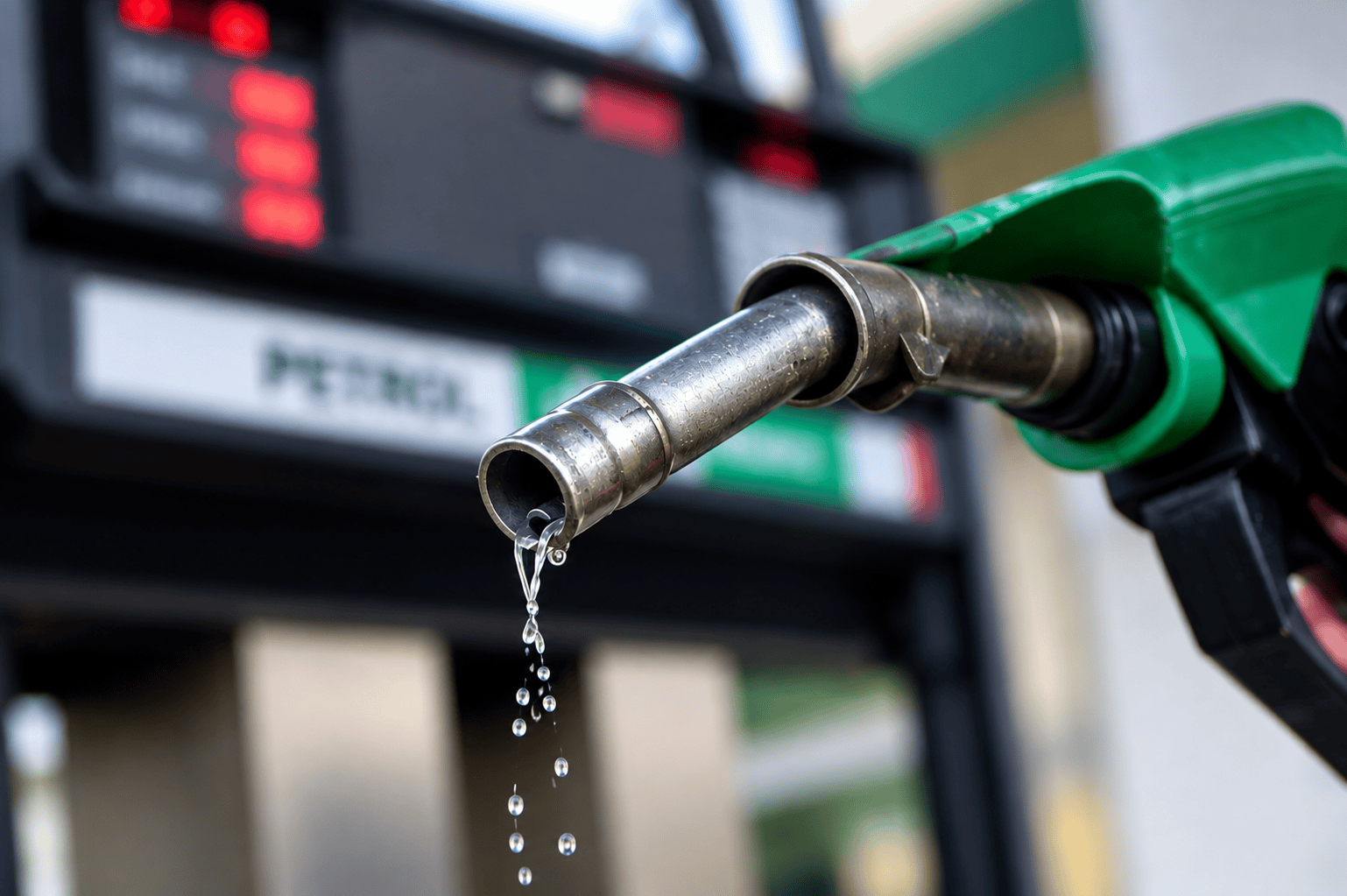
It seems the talk about fuel subsidy is back in the spotlight. This comes after former Vice President Atiku Abubakar, who is running for president under the African Democratic Congress (ADC), promised to restore the subsidy if he wins next year’s election.
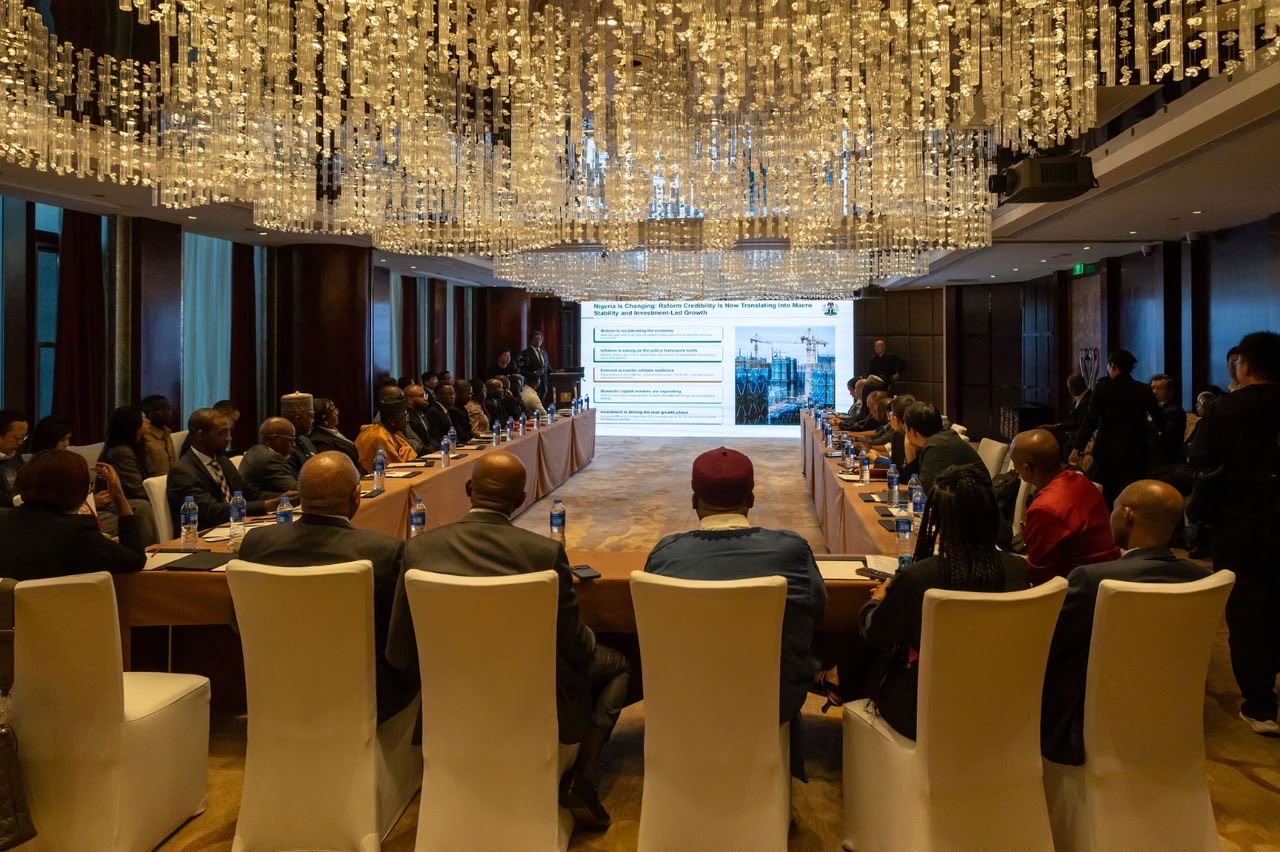
Before this, the Federal Ministry of Finance stirred things up with a presentation. The minister aimed to show how fuel subsidy savings affected the federation accounts. This move was meant to improve how we see public finances, but sadly, it misses some key points.
At its core, the ministry’s explanation continues to spread confusion about fuel subsidy payments. These payments have always been a major issue when trying to account for this expense. Until the subsidy was removed, it was managed by NNPC Limited (NNPCL). This means there was never a budget for fuel subsidy in the government accounts. The states and federal government simply agreed that the subsidy payment would be a top priority charge on the federation account.
A clearer accounting would have had both the federal and state governments agree on how to share the subsidy from the federation account. But our governments chose to manage the fuel subsidy in a way that kept certain charges, including subsidies, out of the shared revenues from the federation account. Since it never went through any government budget, finding it there is almost impossible.
The finance minister’s biggest contribution to public accounting is explaining how recent changes in the foreign exchange market affect government revenues. “Did the removal of the subsidy, which eventually happened in 2024, increase the money coming from the NNPCL into the federation account?” This question, according to PREMIUM TIMES, is key to understanding the fuel subsidy situation. But we also need to remember that revenue from oil companies won’t just come from ending fuel subsidies.
How much money was used to pay fuel subsidies in the last year before they were removed? It is also crucial to confirm that the government doesn’t owe any money to the NNPCL. There is more to consider here. Recent policy changes, especially the president’s executive order earlier this year, stopped the NNPCL from charging 30 percent of the federation's oil revenues as a management fee. This order was meant to free up more money for the federation account.
While it is necessary to see if the NNPCL’s contributions to the federation account have increased, it’s even more important to find out the source of this increase. “Is the rise in the corporation’s payments to the government directly due to subsidy removal or is it because of other factors that allow NNPCL to add more money to the federation account?” This is another question we must ask to know where any increase in the NNPCL’s contribution is coming from.
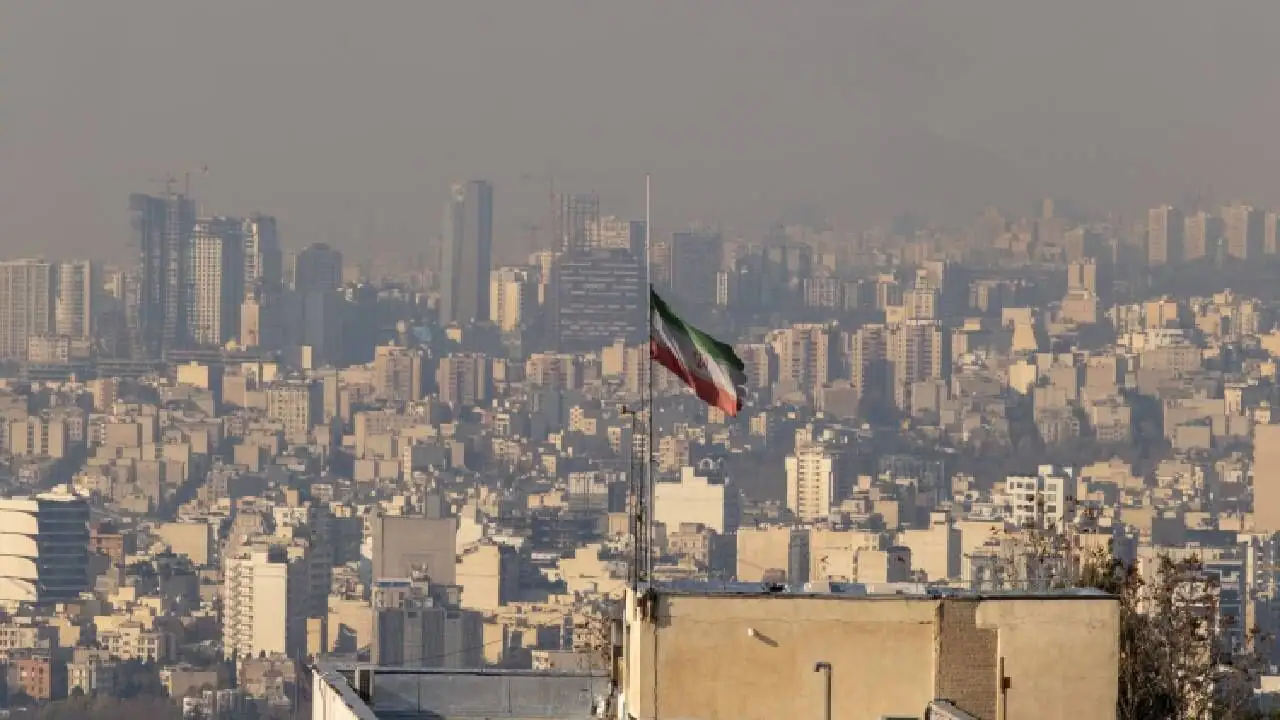
Unfortunately, answering this question is not easy. There is also the issue of what should have been an oil windfall due to the ongoing Iran war, which adds more complexity. If the NNPCL is selling more crude oil at a higher price, that should help increase its payments. If they are not being paid management fees at the previous levels, this could also boost government revenue. But none of these increases would be directly linked to the removal of the fuel subsidy.
What does the NNPCL’s own accounting say about the fuel subsidy? This accounting has gone by many names, including “under-recovery.” We need to look back at the corporation’s accounts from before 2024 for proper comparisons. Hopefully, the headings in those accounts remain the same. If they have changed, the notes should help us find out how much was due to subsidy payments. Only then can we talk about how much was saved by removing the subsidies.
There is also the claim from NNPCL a few years ago that what they were paid did not cover the subsidy costs they were handling. A finance minister once said that the country was borrowing money to pay for the fuel subsidy. There are many things that need to be explained from an accounting point of view.
It is a good thing that the finance minister is an accountant. Can he reconstruct the NNPCL’s accounts from 2022 to 2023? Then compare them with the 2025 numbers? Regardless, it will be difficult to understand the energy security expense of ₦7.1 trillion in the 2024 audited financial statements, which was attributed to an arrangement formalizing what was previously informal.
What were the subsidy figures that NNPCL was paying? Where did the money come from? If subsidy payments have dropped, how much has our national borrowing decreased due to better resource management?
Two factors make it easier to respond to these questions. First, Nigeria might be borrowing less because we have eliminated the subsidy. Second, the country could be spending more. A quick look won't likely show a drop in borrowing linked directly to new resources available from subsidy removal.
Government supporters argue that public borrowing may not decrease just because we are spending more due to rising development challenges. A growing population also adds to this challenge, increasing borrowing needs.
Sadly, this only complicates the financial situation. How much of the public sector borrowing is aimed at capital projects? How much is for ongoing government expenses? What do higher oil prices since the Third Gulf War and the effects since 2023 of increased oil production mean? How does the Ministry of Finance’s presentation deal with subsidy removal versus its impact on government finances regarding foreign exchange?
The finance minister’s push for better public accountability is commendable. But by mixing these questions and more, the response remains unclear.
Comments
No comments yet.