Reassessing Nigeria's Economic Situation
Nigeria's economy shows signs of improvement, but many still struggle. This article examines the current situation and explores potential solutions.
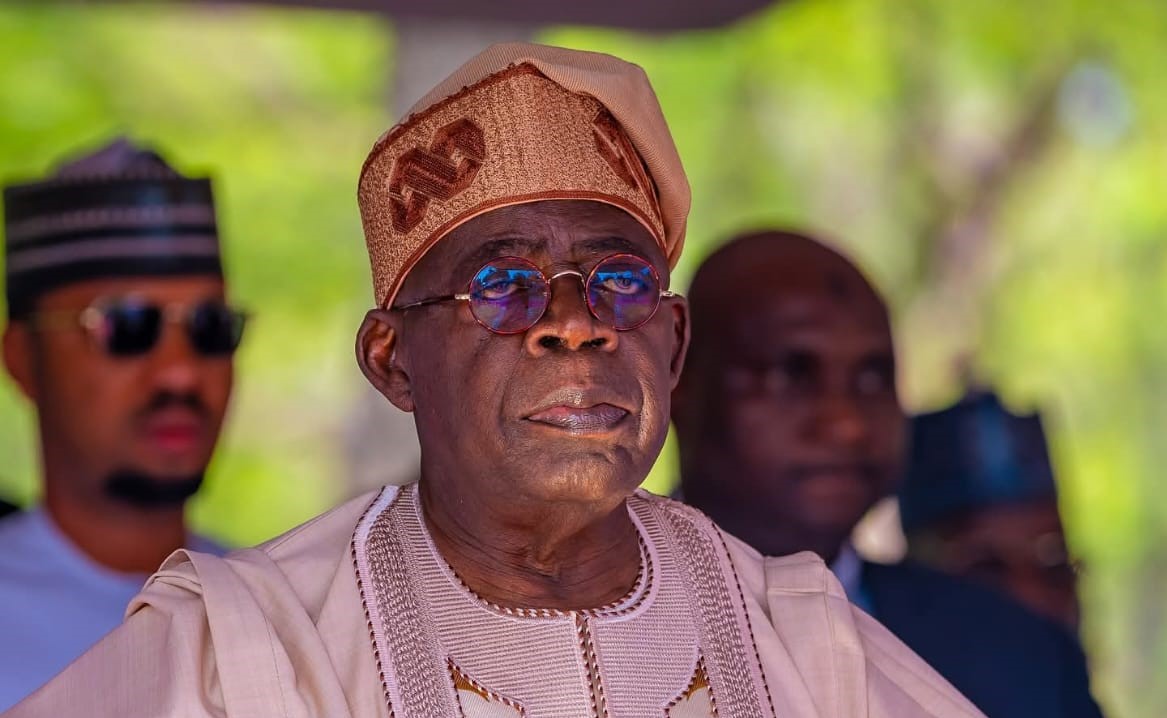
When you pound yam and it has lumps, you re-pound it to get it smooth. We need to honestly look at where Nigeria is now, where we should be, and how to get there without all the confusing economic talk.
During this campaign season, public opinion is troubled by intolerance. It has become hard to discuss differing ideas. But we must keep talking. The alternative, watching our country go down the drain, is not acceptable.
Gains and Pains
In life, there are both gains and pains. How can we enhance the gains while reducing the pains?
The Bretton Woods institutions, the International Monetary Fund (IMF) and the World Bank, have noted some progress in Nigeria’s economy after major changes. These include unifying the foreign exchange rate, removing fuel subsidies, and tightening monetary policy. I have said before that I would not choose these institutions if I needed to buy a used car. But I can look at their analysis fairly and adjust it to fit our economy.
Both institutions agree that while Nigeria’s economic fundamentals are improving, there is still a big gap between the positive statistics and the daily lives of average families. That’s what the heated discussions about the Tinubu administration's economic performance have been about.
We have seen some real macroeconomic gains. But many people are struggling, hungry, and suffering economically. What can we do to help the many Nigerians in need?
I will repeat an idea I have shared for the past twenty years, but no government has paid attention. I believe that if we can reduce the price of petrol by 40 to 50 percent, many households will benefit. The local economy is highly affected by petrol prices. Leaving this important issue in the hands of mythical market forces is like abandoning our duty.
I suggest that President Tinubu should change the current approach that imposes high prices on people. I know some believe that the macroeconomic benefits will eventually reach the people, but I prefer the view of John Maynard Keynes. In his 1923 book, A Tract on Monetary Reform, he said, "in the long run we are all dead."
Keynes believed waiting for the economy to fix itself over time is pointless when people are in pain now. He argued that governments should take action during economic crises instead of waiting for a far-off balance. There is no joy after death.
Presidential Intervention
I believe the president should lead the urgent actions needed to help the people quickly. First, we need to reserve between 400,000 and 450,000 barrels of crude oil per day for local production. This supply to Dangote Refinery and modular refineries in naira will help stabilize and reduce petrol prices. Crude oil costs make up 80 to 85 percent of refining costs. Paying in naira means we do not need to find scarce foreign currency, protecting local fuel prices from sudden naira drops.
Local refining also cuts out international freight, port charges, import tariffs, and offshore fees that come with importing refined fuel. Nigeria’s daily petrol use is about 33 million to 45 million litres. With a steady supply of 450,000 barrels per day, we can produce over 50 million litres of petrol daily, which meets our national demand and ends price hikes by marketers.

One major issue with our current system is that Dangote Refinery imports crude oil from the US and then sells petrol to Nigerians in naira. It is frustrating that all the excitement about having one of the largest refineries in Nigeria seems wasted. How can we expect foreign investors to come when our own investors face so many obstacles?
Direct supply of crude to local refineries will help them save costs and lower pump prices closer to the real cost of refining locally instead of international prices.
Counter Arguments
Some might say that supplying 450,000 barrels per day to Dangote and other local refineries in naira will affect NNPCL’s USD debts. Selling this oil in naira means NNPCL would miss out on foreign currency from about a third of Nigeria’s daily crude production of 1.35 to 1.5 million barrels.
Also, at about $75 per barrel, 450,000 barrels daily is about $33.75 million each day, or around $12.3 billion a year, in naira instead of USD. But the key question is: who owns the oil? Who is the economy meant for? Every country subsidizes something for its citizens.
I know about our debts, including crude-backed loans connected to physical oil deliveries or USD revenue. Over the years, we have built up foreign exchange debts like Project Gazelle ($3.3 billion requiring about 90,000 barrels per day), Project Eagle, Project Leopard, and Project Yield, which together commit over 200,000 to 270,000 barrels per day for debt payments. NNPCL needs to rethink its crude-backed loans to free up oil.
Historically, NNPC had a right to 450,000 barrels per day for local use. Under the PIA framework, the Federal Executive Council approved supplying up to 450,000 barrels per day directly to local refiners like Dangote in naira. Let’s make this a reality for Nigerians. The president should ensure that the local share is supplied at a discount to further reduce pump prices.
Expand the Coast
The reckless crude-for-cash policy of the past leads straight to hardship. Alongside the above, the government should start developing new oil wells. Data from the Nigerian Upstream Petroleum Regulatory Commission shows that 65 percent of discovered fields are still undeveloped, with only 10 percent fully developed and 25 percent in development. These undeveloped fields hold over 3.5 billion barrels of crude oil and condensate reserves. Also, 52 percent of Nigeria’s total proven crude reserves are still untapped.
In my view, Nigeria is too rich to be poor. The pounded yam being served to Nigerians is full of lumps. Mr President, let’s re-pound the yam. We need to act urgently.

Comments
No comments yet.