Ghana's Tarkwa Talks Are Shaping Africa's Mining Future
Ghana is leading discussions on changing mining agreements to gain more local benefits from its resources. The Tarkwa talks highlight the need for better governance and local participation.
For a long time, the deal between African governments and mining companies was straightforward. Governments provided rules and regulations, companies invested money and mined minerals, and the state gained value mainly through taxes, royalties, and jobs.
Now, that deal is changing. As the world faces new challenges, African governments are asking: if our resources are so valuable, why should we accept old agreements?
Ghana is at the heart of this discussion. Like many countries rich in resources, Ghana wants more benefits from its minerals. This includes stronger local content rules, more local participation, and bigger investment promises.
The goal is clear. But issues like poor governance and corruption often stop mineral wealth from leading to real development. The old model of mining often limits the benefits to processing and manufacturing happening outside the country.
As the need for critical minerals grows, accusations of ‘climate colonialism’ have added to the frustration. African nations are expected to provide inputs for the global energy transition but do not share in the industrial profits.
Yet, there is a delicate balance between changing the mining deal and upsetting it. Governments own the resources in the ground, but investors decide where to put their money. In today's investment world, being predictable is just as important as having good resources.
This is why the Tarkwa negotiations are important. Ghana has not clearly stated its position on Gold Fields’ lease renewal. Officials say any extension must bring more benefits to Ghana, while some voices in the National Democratic Congress call for more local ownership of mining assets.
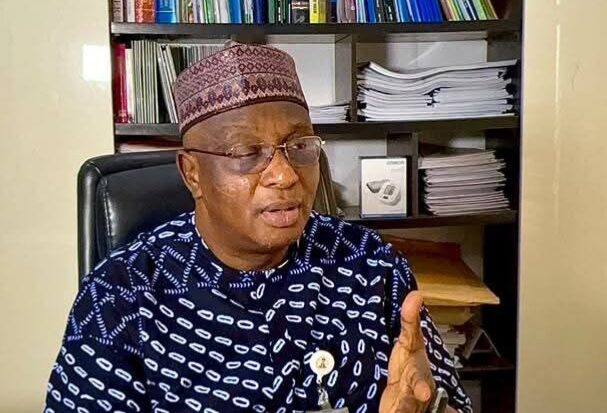
Minerals Commission Head Isaac Andrews Tandoh said it won’t be ‘business as usual, where we just automatically renew the lease’ but hasn’t said what Gold Fields needs to do.
This has led to speculation that Tarkwa could end up like the nearby Damang mine, which did not get its lease renewed. Instead, it went to Engineers & Planners, a Ghanaian mining company led by Ibrahim Mahama, the brother of former President John Mahama. Engineers & Planners was one of four bidders chosen after showing they had access to $505 million in financing and a solid technical plan, according to the government.
The comparison has made investors nervous about a growing trend. But the situation is more complicated than it appears.
Damang was a unique case. Gold Fields had shifted its focus away from the asset, reduced investment to the minimum needed, and wouldn’t commit to the future investment the government wanted. Moving the concession came with few costs, while it gained political support from the public wanting more control over local resources.
However, giving Damang to Engineers & Planners raised concerns among the public and political circles about whether the firm got special treatment while other projects were awarded to companies connected to Mahama.
Tarkwa is different. It is one of Ghana’s largest gold mines, making up almost one-fifth of Gold Fields’ worldwide production. Unlike Damang, Gold Fields has consistently shown its commitment to Tarkwa. It applied for lease renewal early, announced a new long-term investment plan, and showed it is ready to follow Ghana’s local content rules.
This indicates that the current talks are more about the conditions for Gold Fields to stay in Ghana rather than if it should stay. The government’s unclear stance might be a strategy to secure better investment commitments, stronger local sourcing, more skills transfer, and wider participation before granting renewals.

There is a history of this approach. Ghana’s 2023 tax dispute with MTN raised worries about the investment climate but was ultimately resolved without major issues. MTN’s new investment promises showed that governments can negotiate without scaring off investors, as long as the process is clear.
But Tarkwa might not follow the same path. Replacing Gold Fields would be difficult since Tarkwa is a complex operation that needs significant expertise. There is little proof that any local operator could take over without major risks.
The government likely knows the message its decision will send. After dealing with debt restructuring and rebuilding its economic credibility, Ghana cannot be seen as undermining legal rights or investment frameworks for political gain.
Giving the Tarkwa lease to Engineers & Planners could raise more worries about state capture under the Mahama administration, which is trying to distance itself from the last government's corruption. It might also lead to speculation that rejecting Gold Fields’ renewal was driven by Ghana’s issues with South Africa over xenophobic violence, possibly worsening diplomatic tensions between the two countries.
Ghana's government is aware that other major mining companies in the country and those wanting to benefit from the global gold rush are watching the Gold Fields situation closely.
This tough bargaining in Ghana isn’t new. Governments all over Africa are trying to get a bigger share of the value from their natural resources. From Zambia’s copper to Namibia’s critical minerals and Botswana’s diamonds, the talk is now about local ownership, processing, and economic independence.
But there’s a key difference between resource nationalism and investment nationalism. The first aims to maximize national benefits from natural resources. The second risks driving away the investment needed to realize that value. Mixing up the two could lead to expensive mistakes.
Ghana shouldn’t think that new or returning investments are guaranteed as it pushes for stronger bargaining power. Mining capital can move globally, and investors can choose between countries rich in resources competing for their investment.
The government’s challenge is not about whether to demand more from mining companies but how to do it without making Ghana less appealing to future investments.
In the end, Ghana doesn't have to pick between sovereignty and investment. It needs to show that both can support each other. Governments have the right to renegotiate mining deals as economic conditions change. And investors are increasingly aware that their permission to operate depends on providing more value to local communities.
Successful countries in the next decade will be those with not just rich resources but also strong national goals and trustworthy policies; they will negotiate firmly without being arbitrary and understand that reliability, practicality, and partnership are advantages.
The outcome of Tarkwa will reveal not just the future of one gold mine but whether African countries can reshape their relationships with global mining companies without losing the trust needed for long-term investments.
Comments
No comments yet.