IMF advises targeted support for the poor instead of blanket fuel subsidies
The IMF warns that blanket fuel subsidies mainly benefit the wealthy and increase fiscal pressure. They recommend targeted support for vulnerable populations instead.
The International Monetary Fund (IMF) on Wednesday warned against giving blanket fuel subsidies. They said it is better to offer targeted support for vulnerable and poor people.
Rodrigo Valdés, who is the Director of the IMF’s Fiscal Affairs Department, made this statement during a press conference. This was part of the fund’s fiscal monitor at the 2026 annual meetings of the IMF and World Bank in Bangkok, Thailand.
The IMF explained that blanket petrol subsidies are not only costly but also mainly help richer people. This can increase fiscal pressure, especially with rising debt and borrowing costs.
“Protecting people is not the same as protecting the price of fuels,” Mr Valdés said.
He added, “It’s first fiscally very costly, and second, if you look at the pattern of consumption, it’s easy to see that that subsidy is readily regressive in many places.”
Mr Valdés was answering a question on how the IMF can suggest energy prices reflect scarcity. He noted that higher fuel prices in Nigeria and other countries have raised the cost of living, increased transport costs, worsened inflation, and increased poverty.
The IMF official mentioned that fuel subsidies or any measures that prevent prices from adjusting fully to an energy crisis have cost countries between 1 percent and 1.5 percent of their gross domestic product (GDP) in 2026.

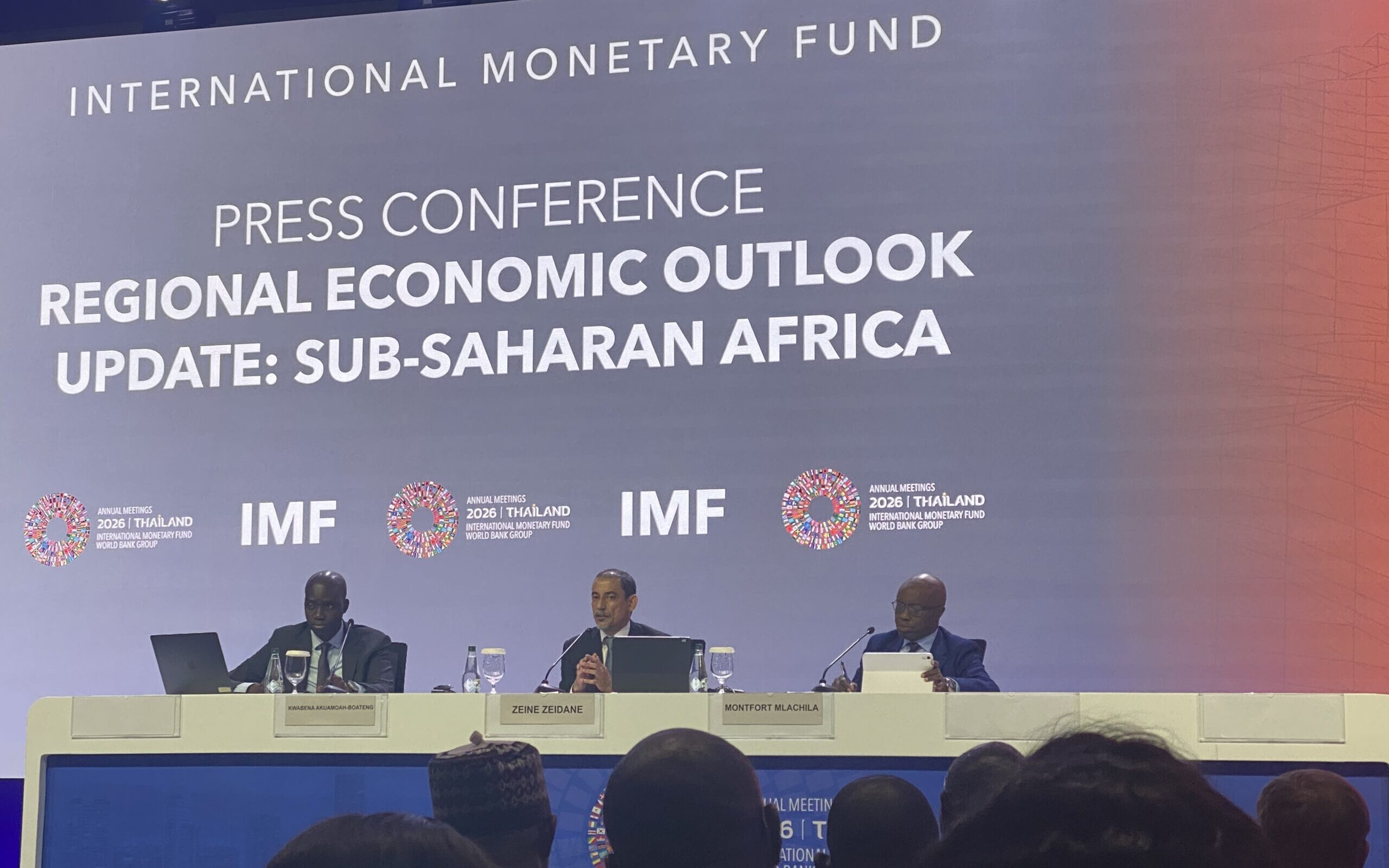
He urged governments around the world to use social safety nets and household data to find people who need help.
“There are better tools to deal with this,” he said.
The IMF’s stance aligns with its long-standing view on subsidies, which was highlighted in a recent report.
“Targeted and temporary transfers are the most effective and cost-efficient way to protect poorer households when prices for basics spike,” the fund stated in its report.
“This approach directly supports those who need it most, preserves scarce fiscal space, and allows high market prices to continue signalling scarcity, encouraging consumers to reduce consumption if they can.”






Comments
No comments yet.