INEC shares plans to boost safety and participation for people with disabilities in elections
INEC is committed to improving safety and accessibility for persons with disabilities during the 2027 elections. Key measures include training security personnel and creating reporting systems.
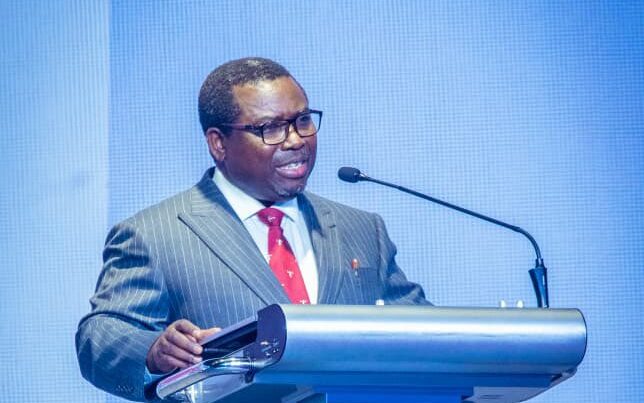
The Independent National Electoral Commission (INEC) has shared its plans to improve safety, accessibility, and participation for persons with disabilities (PWDs) during the 2027 general elections.
The plans involve adopting security measures that include people with disabilities, training security personnel on disability rights, improving teamwork among election security agencies, and creating easy ways for voters with disabilities to report any issues they face.
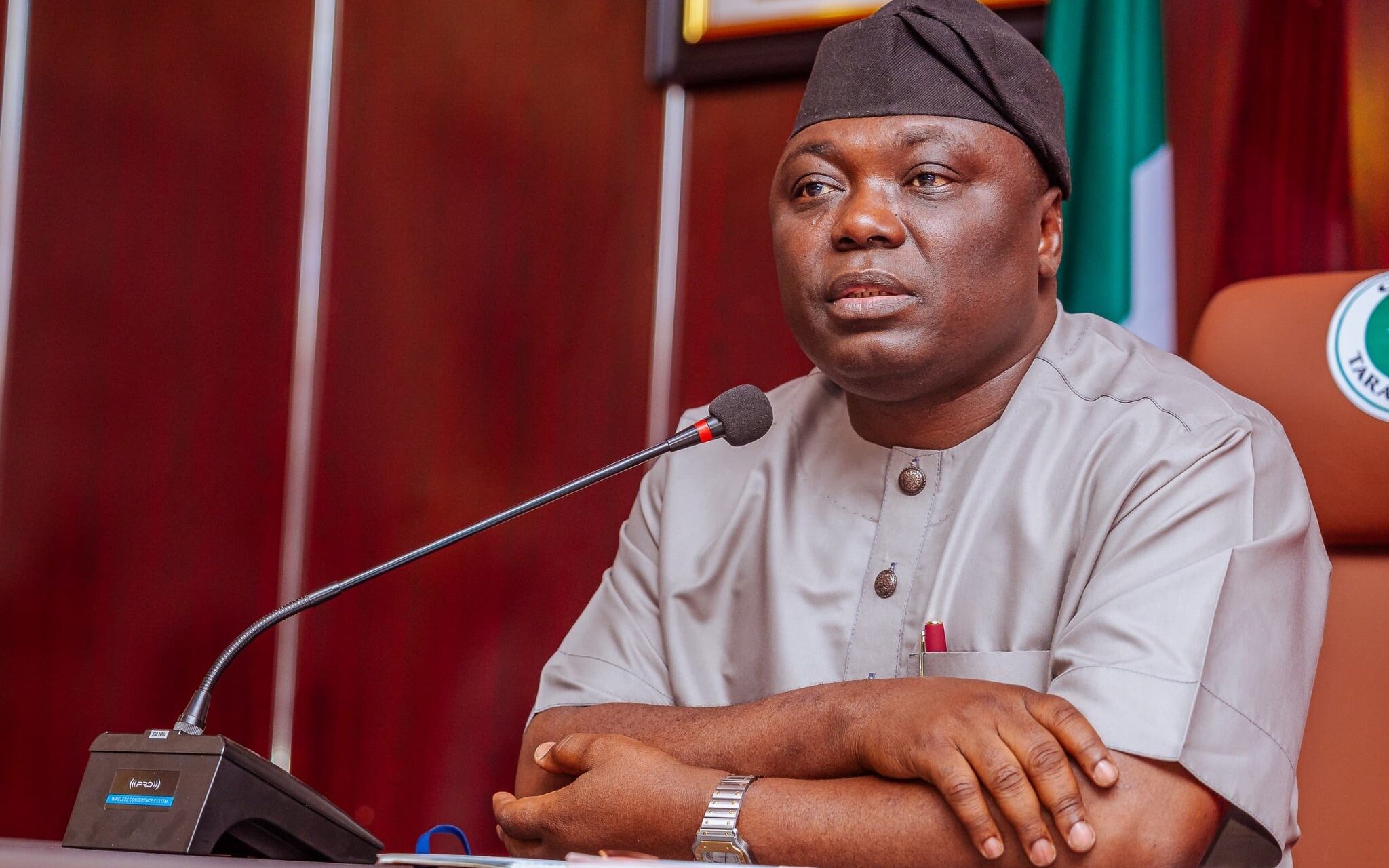
INEC Chairman, Joash Amupitan, revealed these priorities at an event focused on disability-inclusive election security and protection protocols. This event was organized by The All-Rights Foundation (TAF Africa) on Friday.
Mr Amupitan stated that election credibility is not just about counting votes. It also means making sure every eligible citizen can vote safely, freely, and without facing discrimination.
"An election cannot be considered inclusive if persons with disabilities or other vulnerable groups face intimidation, insecurity, or other barriers to exercising their rights," he said.
He outlined five main priorities for the 2027 elections. These include adopting clear security protocols that include people with disabilities, which will match INEC’s 2026 regulations and guidelines.
The commission will also focus on training police officers on disability rights and how to communicate in ways that help security personnel meet the needs of voters with different disabilities.
Other priorities are effective coordination among INEC, the police, and other security organizations, establishing easy reporting systems, and responding quickly to any incidents involving persons with disabilities. There will also be ongoing engagement with organizations that represent persons with disabilities.
Mr Amupitan emphasized that disability inclusion should be part of election security planning. This includes training personnel, deployment, and handling incidents through the Inter-Agency Consultative Committee on Election Security (ICCES).
He also announced that INEC would hold another security summit soon. This summit will include the Inspector-General of Police, the National Security Adviser, the Nigeria Security and Civil Defence Corps, and other paramilitary agencies.
According to him, security personnel need to understand the specific requirements of voters with different disabilities. Those with hearing impairments may need visual support, while those who are visually impaired may require verbal directions. Voters with limited mobility also need polling units that they can access easily.
He stressed that assistance must protect the independence and privacy of voters with disabilities.
"We must not sabotage the voters’ independence or privacy. It must be respectful and proportionate assistance," he said.
The INEC chairman shared that there are 232,000 registered voters with disabilities, which is just 0.23 percent of the total voter register.
He mentioned that registered voters are divided into 10 disability categories. He described this number as too low and said INEC is working to boost registration through online voter registration.
"When I took over, one of my primary conditions was to have online registration," he said.
Mr Amupitan pointed to the 1999 Constitution, the Electoral Act, the Discrimination Against Persons with Disabilities (Prohibition) Act, and the United Nations Convention on the Rights of Persons with Disabilities as important legal frameworks for inclusive elections.
But he noted that putting these protections into practice is still a challenge.
He told INEC’s Director of Gender and Inclusivity to make copies of the commission’s Regulations and Guidelines for the Conduct of Elections 2026 available. He pointed out that clauses 19, 21, 27, and 28 provide for priority access and assistance for persons with disabilities.
"The duty to protect voters extends well beyond election day. It includes voter registration, campaigns, rallies, polling stations, and periods after the election," he said.
"Our duty is to ensure that no citizen is prevented from exercising their right to vote through avoidable circumstances such as insecurity, discrimination, or institutional neglect."
Mr Amupitan also praised TAF Africa and the European Union for their efforts to help persons with disabilities and internally displaced persons take part in elections.
Comments
No comments yet.