Kaduna plans to treat 1 million kids for snail fever
The Kaduna State Ministry of Health is preparing to treat over one million children for snail fever. The campaign targets school-aged kids who lack access to treatment.
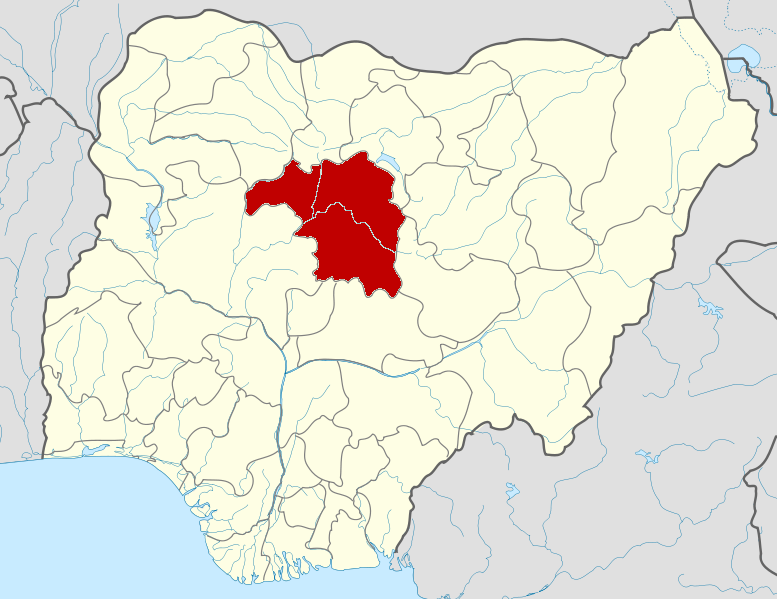
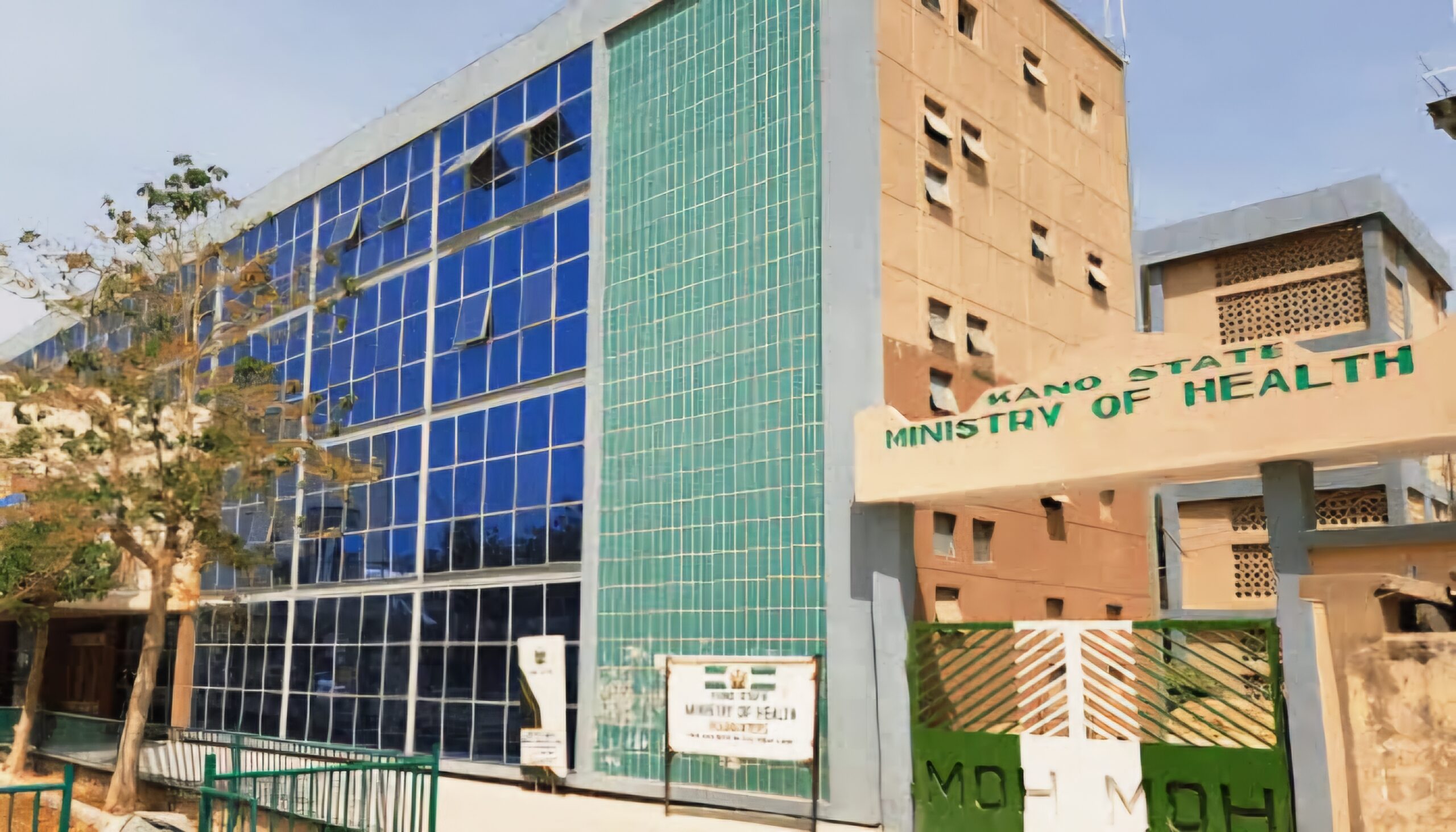
The Kaduna State Ministry of Health, with help from Sightsavers, has started preparing for a mass treatment campaign aimed at over one million children against schistosomiasis, also called snail fever. This disease is categorized as a Neglected Tropical Disease and is spread through infected freshwater.
The preparations kicked off with a two-day planning meeting about schistosomiasis in Kaduna on Tuesday. During the meeting, Zainab Haruna, the State Coordinator for NTDs, said the program aims to protect children who are most at risk of the disease and usually do not have access to treatment.
"Our target is to treat school-aged children from five to 14 years, as they are young and do not have access to medicines or the means to obtain treatment," she said.
Ms Haruna explained that the treatment will happen in all 23 local government areas of the state, focusing on areas known to have high cases of the disease. She added that treatment will follow World Health Organization (WHO) guidelines, depending on how common the disease is in each area.
"Low-endemic wards are treated once every three years, moderate-endemic wards are treated annually, while highly-endemic wards receive treatment twice a year. There are fewer than five wards classified as highly endemic in the state," she said.
Ms Haruna mentioned that the state will send a team of seven to eight officials to oversee the program, supported by 23 state supervisors and local government NTD coordinators.
In addition, 169 health workers will be trained in 169 endemic wards. Also, 6,064 Community Drug Distributors (CDDs) will be mobilized to give out Praziquantel, the drug used to treat schistosomiasis.
The coordinator pointed out that low incentives for community drug distributors are a big challenge for NTD programs in the state.
Tabitha Kane, the Senior Programme Officer for NTDs at Sightsavers, said the organization's support goes beyond just money. They also provide technical and operational help throughout the campaign.
Ms Kane emphasized that Sightsavers works closely with the Kaduna State Ministry of Health from the planning stage to implementation and monitoring to ensure that everything meets established standards.
"We organize and support technical training for health personnel and program implementers," she said. "This includes training people who will train others at lower levels and those responsible for distributing medicines in schools and communities."
She added that the training helps participants understand treatment guidelines, drug administration procedures, reporting requirements, and how to engage with the community.
Speaking for the Director of Disease Control and Immunisation, Zuwaira Abbas from the state primary healthcare board said insecurity in some areas has made it hard to reach vulnerable groups. She mentioned that the board has taken steps to improve access by working with local security personnel.
"Some areas could not be accessed by our teams due to security challenges. This time around, proper planning has been done during the micro-planning process. We have developed localized action plans and will involve security personnel in the communities to support our teams during the distribution exercise," she said.
Mr Ibrahim also pointed out that delays in distributing vaccines and other medical supplies have been a major challenge in past campaigns. He stated that efforts are ongoing to ensure timely delivery of supplies from the Federal Ministry of Health to health facilities and communities across the state.
The News Agency of Nigeria (NAN) reports that schistosomiasis is caused by parasitic worms and is usually spread through contact with contaminated freshwater. The disease continues to be a public health issue in many affected communities, especially among school-aged children.



Comments
No comments yet.